Posted on

Cotton Versus Paper Filters: Which Fits Your Engine?

Cotton Versus Paper Filters: Which Fits Your Engine?

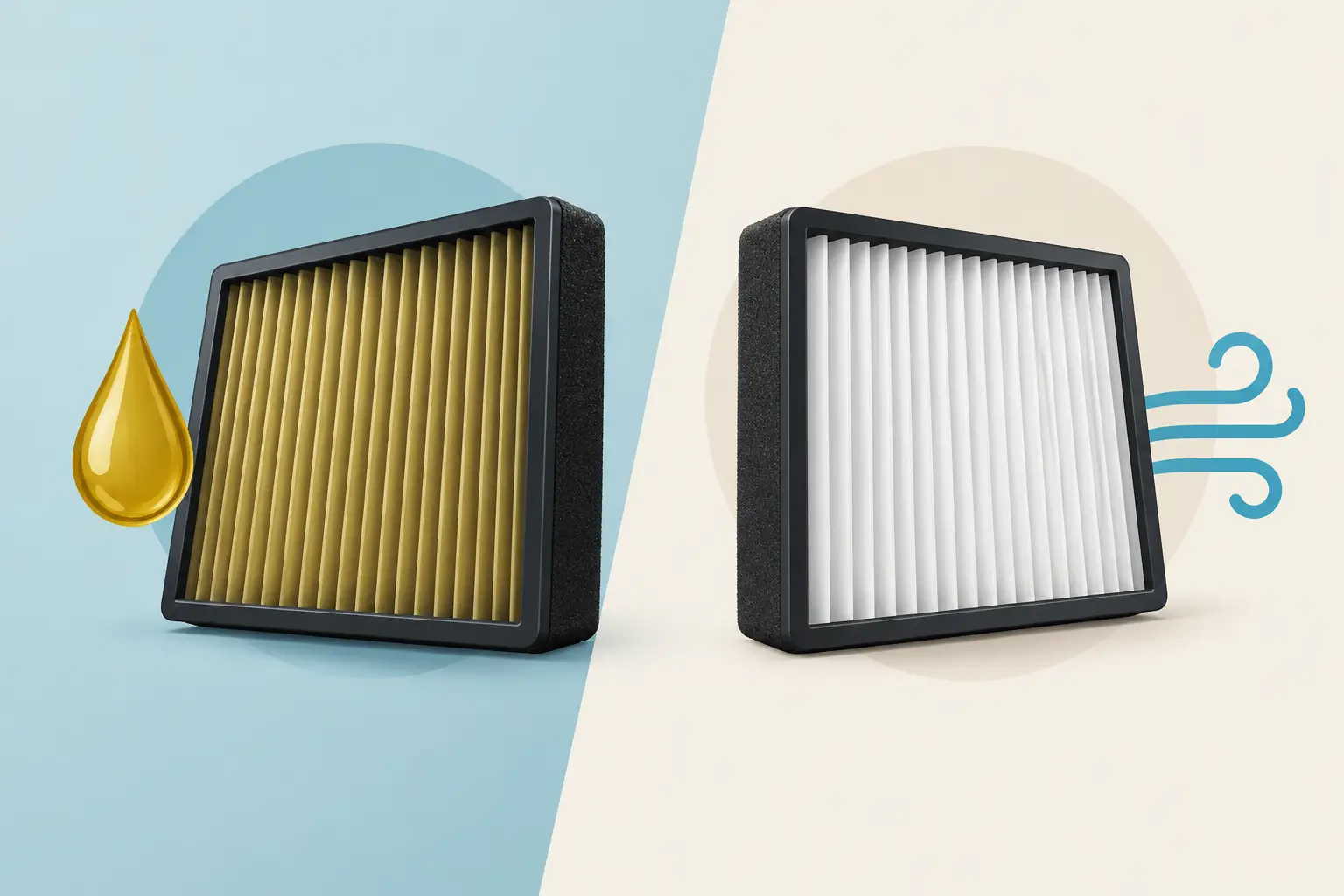
A clogged, restrictive air filter can make an otherwise healthy engine feel less responsive. Yet the replacement choice is not as simple as picking the lowest-priced filter on the shelf. In the cotton versus paper filters discussion, the better option depends on how you use your vehicle, the conditions it faces, and whether you value a washable performance component or a straightforward disposable replacement.

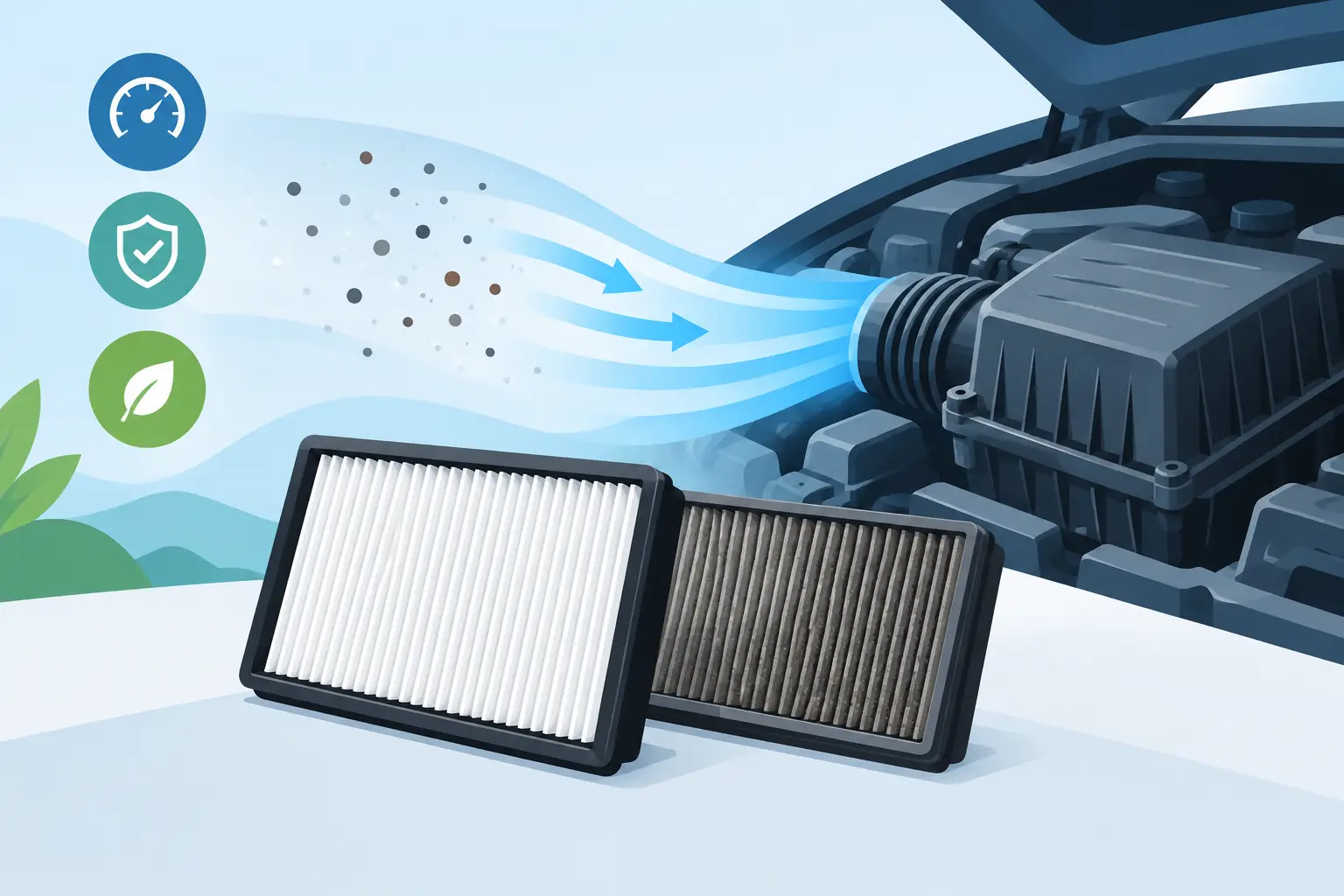
For daily drivers, weekend builds, motorcycles, trucks, and equipment that operate in demanding conditions, air filtration is a working part of engine protection. The filter must stop harmful debris before it reaches the intake tract while allowing the engine to draw the air it needs. That balance affects service life, maintenance, waste, and potentially the way a vehicle responds under acceleration.

Cotton Versus Paper Filters: The Core Difference

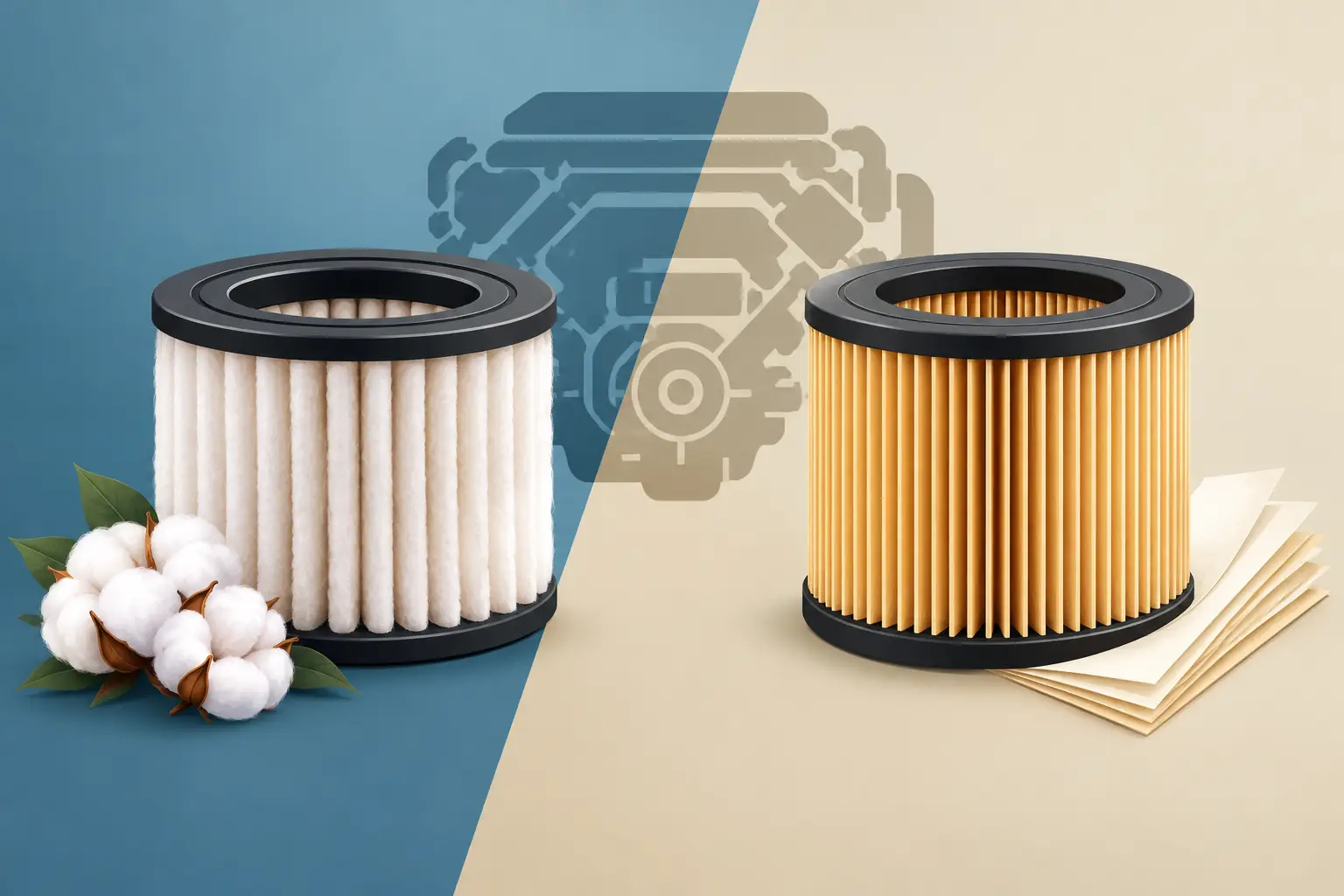
Most factory-style engine air filters use pleated paper media. The media is typically folded into a large surface area, fitted into a rubber or polyurethane frame, and designed for replacement when it becomes loaded with dirt. Paper filters are familiar, widely available, and require no cleaning procedure. Remove the old filter, install a new one, and discard the used element.

Washable cotton filters use layers of cotton gauze supported by wire mesh. In an oiled-cotton design, a measured filter oil treatment helps the media capture contaminants as air passes through. Rather than being thrown away at a scheduled interval, the filter can be cleaned, dried, re-oiled, and returned to service.

Neither design is automatically right for every owner. A paper filter favors simple, low-involvement maintenance. A quality washable cotton filter favors long-term reuse, serviceability, and high-flow performance when it is properly maintained.

Airflow and Engine Response

An engine is an air pump. It needs air to combine with fuel, and restrictions anywhere in the intake path can limit the system’s ability to supply that air efficiently. The air filter is only one part of that path, alongside the airbox, intake tube, throttle body, sensors, and engine calibration. Installing a filter alone will not transform every vehicle into a race car.

Still, filter media design matters. Oiled cotton gauze is engineered to provide a high-flow path while capturing contaminants. On vehicles with a restrictive or dirty factory filter, improving intake airflow may support sharper throttle response and, depending on the application, horsepower and torque gains. The result is often most noticeable when a high-flow filter is paired with an intake system designed to reduce bottlenecks throughout the tract.

Paper media can also flow very well when new and correctly sized for the application. Its main limitation is that it is not intended to be restored after it becomes loaded. As dirt accumulates, airflow can decline and replacement becomes the practical solution.

The real comparison is not new paper against a neglected cotton filter. It is a correctly fitted, clean filter of either type against the operating needs of a specific engine. A washable filter needs cleaning at the right interval to continue delivering its intended airflow.

Do not judge a filter by appearance alone

A filter that looks dusty is not necessarily due for service, especially if it has only collected light surface debris. Conversely, a filter can be overdue for attention even if it does not look dramatically dirty. Follow the vehicle and filter manufacturer’s service guidance, then shorten the inspection interval when driving in construction zones, on unpaved roads, in agricultural areas, or through other high-dust environments.

Filtration and Engine Protection

High airflow is valuable only when it comes with effective contaminant control. Fine dust and abrasive particles entering the intake can contribute to wear over time. This is particularly relevant for vehicles used in tropical rain, urban construction corridors, off-road trails, worksites, and heavy-duty applications where the intake sees more than ordinary road dust.

Paper filters trap particles within their dense, pleated media. They are designed as a one-use component, so the media remains undisturbed until replacement. For owners who want an uncomplicated, no-cleaning solution, this is a sensible advantage.

Oiled cotton filters capture contaminants through multiple layers of cotton gauze and the tackiness of the filter oil. The oil application is part of the filtration system, not a cosmetic step. Under-oiling may reduce the media’s intended ability to retain fine contaminants. Over-oiling can create its own problems, including excess oil migrating into the intake. Use the correct cleaning and oiling products, apply oil evenly, and allow it to wick through the media before reinstalling the filter.

Fitment is equally important. Even excellent filter media cannot protect an engine if the filter does not seal correctly in the airbox. Confirm the exact vehicle, engine, and model-year application, inspect the airbox for debris, and make sure the filter’s gasket seats fully before closing the housing.

Cost, Service Life, and Waste

A disposable paper filter usually has a lower upfront price. For drivers who replace filters at a workshop during regular servicing and do not plan to keep the vehicle long term, that convenience can make paper the practical choice.

A washable cotton filter costs more initially, but it can be reused for the life of the vehicle when maintained according to its instructions. Over years of ownership, that can reduce repeat filter purchases. It also means fewer used filter elements going into the waste stream, an ownership benefit that matters when vehicles and equipment are serviced frequently.

The value equation changes with mileage and conditions. A commuter who drives limited annual miles may take years to recover the initial cost through avoided replacements. A high-mileage driver, fleet operator, rider, or off-road enthusiast who services filters regularly may see the long-term value sooner.

Maintenance Is the Deciding Factor

The biggest trade-off in cotton versus paper filters is owner involvement. A paper filter asks almost nothing beyond periodic inspection and replacement. A reusable cotton filter rewards proper maintenance but is not a fit-and-forget component.

Cleaning should be done with a dedicated filter cleaner rather than harsh solvents, gasoline, compressed air, or improvised detergents. Those methods can damage the media, weaken the adhesive, or push dirt deeper into the filter. Rinse gently as directed, let the filter air-dry completely, then apply the specified filter oil in a controlled amount.

Do not reinstall a wet filter or use heat to speed the drying process. Also, do not clean simply because the filter has changed color. Service it based on inspection and operating conditions. For vehicles used on dusty trails, in commercial environments, or near active construction, checking more often is smart preventive maintenance.

When Paper Filters Make Sense

Paper remains a strong option for stock vehicles operated mainly on paved roads, particularly when the owner prioritizes quick replacement and minimal hands-on service. It can also suit lease vehicles, infrequently used vehicles, or applications where following a simple factory replacement schedule is the main goal.

Choose a quality filter that matches the original dimensions and seals properly. The lowest-cost option is not always the best value if the frame fit is poor or the media construction is inconsistent.

When a Washable Cotton Filter Makes Sense

A washable oiled-cotton filter is a compelling choice for owners who plan to keep their vehicle, appreciate DIY maintenance, or want a reusable component designed around high airflow and engine protection. It is especially relevant for enthusiasts improving an intake system, riders who service their own motorcycles, and operators who want to reduce the recurring cost and waste of disposable filters.

K&N’s High-Flow Air Filter platform is built around this approach: washable, reusable oiled-cotton media engineered for specific applications. The key is to select the correct part for the vehicle and commit to proper cleaning and oiling when service is due.

Make the Choice for Your Actual Driving

Start with the vehicle’s use case, not a blanket claim that one filter material wins every time. Consider how long you will own the vehicle, whether you are comfortable servicing a reusable filter, how dusty your routes are, and whether the intake system is stock or upgraded. Then choose the filter that delivers the protection, airflow, and maintenance routine you will actually follow.

A well-fitted, properly serviced air filter is one of the simplest ways to support the engine you already own. Treat it as a performance and protection component, not just another scheduled replacement item.

Posted on

Filter Replacement Intervals That Protect Engines

Filter Replacement Intervals That Protect Engines

A filter can look dirty long before it stops doing its job, and it can look acceptable while airflow or contaminant control is already compromised. That is why filter replacement intervals should never be treated as one universal mileage number. The right schedule depends on the filter’s job, the vehicle or equipment application, the filter media, and the conditions it sees every day.

For a commuter car in mostly paved urban traffic, a filter may have a very different service life than one fitted to a motorcycle, work truck, ATV, or industrial engine operating around dust, construction sites, unsealed roads, or humid stop-and-go conditions. A smart maintenance plan protects airflow, supports engine life, and prevents spending money on parts before they are actually needed.

Why Filter Replacement Intervals Vary

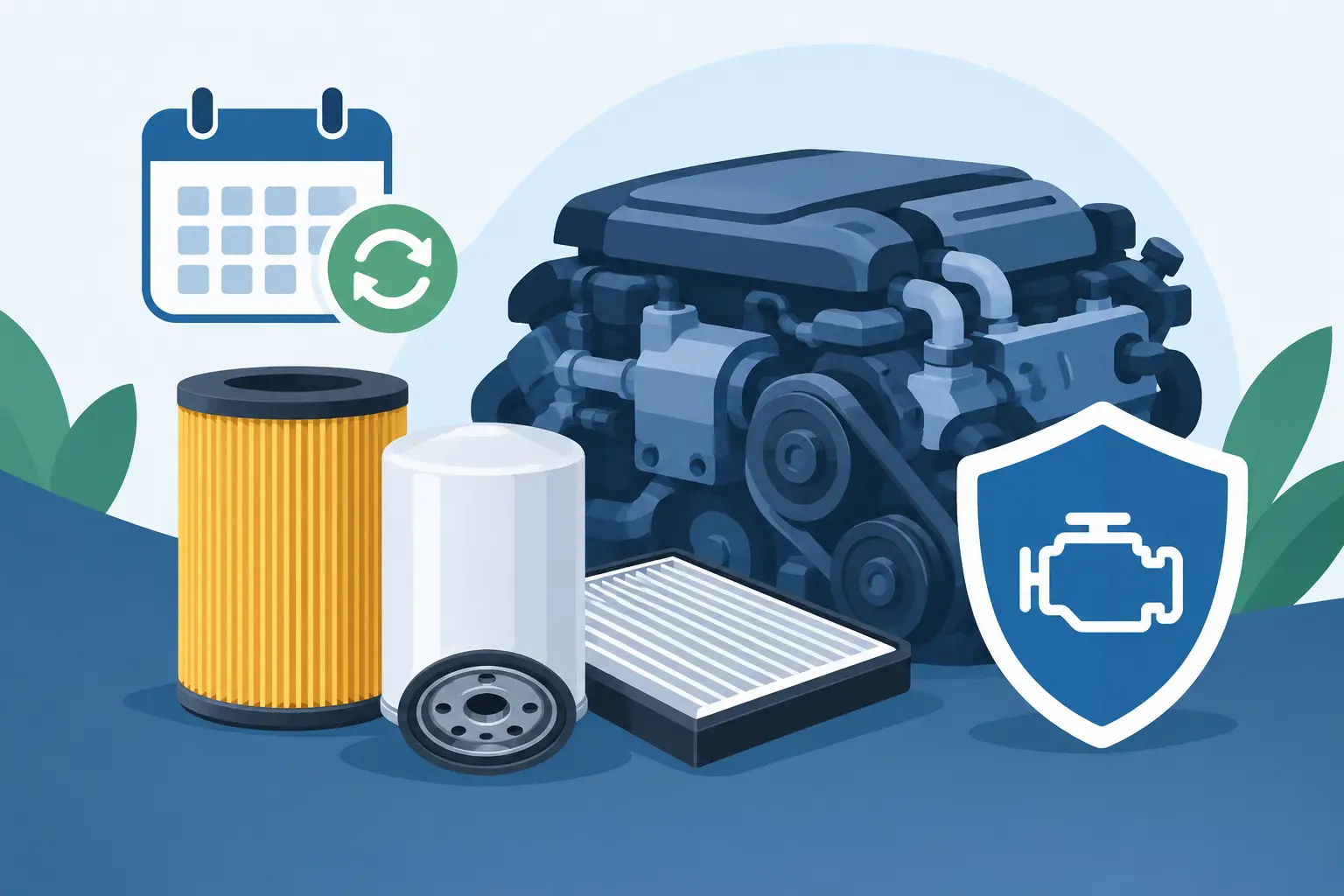
Filters do not all face the same contaminants or operate under the same pressure, temperature, and airflow demands. An engine air filter manages incoming air before it reaches the combustion process. A cabin air filter improves the quality of air entering the passenger compartment. An oil filter captures particles circulating in engine oil. Each needs its own inspection and service approach.

The manufacturer’s maintenance schedule is the starting point, especially for vehicles under warranty or equipment with strict service requirements. But it is not the final word. Published intervals are usually based on average use. Severe service can shorten them considerably. Frequent short trips, heavy traffic, towing, off-road riding, construction dust, agricultural work, and high annual mileage all increase the load placed on filters.

The opposite can also be true. Replacing a filter merely because a calendar date arrives may waste a component that still has useful service life. This matters particularly with washable, reusable air filters, which are designed to be cleaned and re-oiled rather than discarded at every service.

Engine Air Filter Service: Inspect Before You Replace

An engine air filter should be inspected at regular service intervals and more often in dusty environments. There is no reliable rule that says every dirty-looking filter must be replaced immediately. As a filter collects particles, it may darken naturally. What matters is whether the media is damaged, heavily restricted, improperly sealed, or due for cleaning according to its specific product instructions.

A disposable paper filter is replaced when it reaches the vehicle manufacturer’s interval, shows obvious loading or damage, or is used under conditions that call for earlier service. Do not try to wash a conventional paper element unless its manufacturer specifically says it is washable. Water, compressed air, or aggressive brushing can tear the media or distort it, creating a path for unfiltered air.

A reusable oiled-cotton air filter follows a different ownership model. Instead of regularly adding another disposable filter to the bin, inspect the media and clean it when dirt buildup across the surface calls for service. Proper cleaning solution, a controlled rinse, complete drying, and the correct amount of filter oil are essential. Too little oil can reduce filtration effectiveness; too much can affect airflow measurement components on some vehicles.

K&N reusable filters are engineered to provide high airflow with effective filtration when serviced correctly. For owners who keep a vehicle for years, that can mean fewer replacement purchases and less filter waste, without giving up the protection an engine needs.

Signs Your Air Filter Needs Attention

Mileage alone does not tell the full story. Look for a visibly loaded filter surface, physical tears, loose sealing material, a damaged frame, or dirt on the clean side of the filter. On a vehicle with a serviceable reusable filter, an evenly dirty appearance is usually a prompt to inspect and clean, not a reason to guess at replacement.

A noticeable loss of response or acceleration can be a clue, but it should not be diagnosed as a filter problem automatically. Modern engine management systems compensate for many conditions, and hesitation may come from fuel, ignition, sensor, or mechanical issues. Check the filter as part of a proper diagnosis rather than treating it as the answer to every performance concern.

Cabin Filters Need a Different Schedule

Cabin air filters protect the people inside the vehicle, not the combustion process. In dense traffic, humid weather, roadside dust, haze, and urban pollution, they can load up faster than drivers expect. A neglected cabin filter can contribute to weak HVAC airflow, lingering odors, excess window fogging, and reduced comfort when the air conditioning is working hardest.

Most cabin filters are disposable and should be changed according to the vehicle schedule or sooner when airflow drops or odors persist after checking the HVAC system. If the vehicle is routinely used in heavy traffic or dusty areas, inspect it more frequently. A clean cabin filter cannot repair an evaporator issue or eliminate every odor, but it is one of the simplest maintenance items for restoring fresher airflow.

Oil Filter Intervals Follow Oil Service, Not Guesswork

Oil filters should generally be replaced with the engine oil, following the vehicle or equipment manufacturer’s recommended oil-change interval. The oil and filter work as a system: fresh oil paired with an old, loaded filter is rarely a sensible maintenance decision.

The correct interval depends on oil type, engine design, driving style, operating temperature, fuel dilution, towing, and the manufacturer’s oil-life monitoring system where fitted. Engines used for repeated short trips may need more frequent oil service because the oil may not reach temperature long enough to evaporate moisture and fuel contamination. Heavy-duty and commercial equipment may operate on an hour-based schedule rather than a mileage-based one.

Do not extend an oil filter interval simply because the filter looks clean from the outside. Its work happens internally. Use a filter specified for the application, install it correctly, verify the gasket is seated, and check for leaks after startup.

Severe Service Changes the Math

If your vehicle or equipment operates in any of the following conditions, use earlier inspection intervals and consider more frequent service:

  • Unsealed roads, off-road trails, construction sites, farms, or quarry environments
  • Stop-and-go traffic, frequent idling, delivery routes, and repeated short trips
  • Towing, carrying heavy loads, or sustained high-RPM riding and driving
  • Humid, coastal, or high-pollution environments that place extra demand on cabin and intake systems

This does not mean replacing every filter at the earliest possible opportunity. It means checking condition before performance, protection, or comfort is affected. For fleets, write inspection findings into maintenance records. Patterns will quickly show which routes, operators, or operating seasons demand shorter intervals.

Avoid the Two Common Filter Mistakes

The first mistake is waiting too long. A damaged air filter, collapsed filter media, poor seal, or overdue oil filter can expose expensive components to contaminants or restricted flow. The second is overservicing. Replacing a usable filter early adds cost and waste, while cleaning a reusable filter too often can create unnecessary handling risk.

For reusable air filters, follow the service instructions precisely. Use the correct cleaner and oil, allow enough drying time, and avoid solvents, gasoline, high-pressure water, and compressed air. For disposable filters, replace rather than improvise. A low-cost filter service can have a high cost if it allows dirt past the sealing surface.

Build a Schedule That Fits Your Vehicle

Start with the owner’s manual or equipment maintenance guide. Then adjust based on where and how the engine operates. A daily commuter on clean paved roads may only need routine scheduled inspections. A dirt bike, ATV, or work vehicle in dusty conditions may need attention after every demanding outing or shift. Marine, industrial, and small-engine equipment often benefits from hour-meter-based checks because operating hours are more meaningful than road mileage.

Keep a simple record of inspections, cleaning, and replacements. Note the mileage or hours, operating conditions, and what the filter looked like. After a few service cycles, you will have a practical interval based on real use rather than a generic estimate.

Treat filters as precision protection parts, not disposable afterthoughts. Check them at the right time, service them the right way, and your vehicle or equipment will be better positioned to deliver clean airflow, dependable protection, and the performance you expect.

Posted on

Cabin Filter Performance for Cleaner Air

Cabin Filter Performance for Cleaner Air

The first sign of poor cabin filter performance is rarely dramatic. Your air conditioning may still blow cold, but airflow feels weak at the vents, roadside odors linger longer than usual, and the windshield takes more effort to clear in wet weather. In Singapore and other hot, humid driving environments, a cabin filter works hard every time the blower is on – which is often every trip.

A cabin air filter is not an engine air filter, and it will not add horsepower. Its job is more immediate: helping keep dust, pollen, soot, fine road debris, and, depending on the filter design, unwanted odors out of the air entering the passenger compartment. Choosing the right filter and replacing it at the right time can make every drive more comfortable while supporting consistent HVAC operation.

What Cabin Filter Performance Actually Means

Cabin filter performance is a balance between contaminant capture, airflow, odor control, and accurate fitment. A filter that catches more particles is valuable, but it also needs enough usable surface area and the correct media design to allow the climate-control system to move air efficiently.

That balance matters because a cabin filter is installed upstream of the blower and HVAC case. When debris loads the filter media, the blower must work harder to push air through it. You may notice reduced vent volume, slower cooling, or more fan noise at higher settings. The problem is not necessarily a failing air conditioner. It may simply be a filter that has reached the end of its service interval.

A well-designed replacement filter should sit securely in its housing, seal around its edges, and match the vehicle’s specified dimensions. Even high-quality filter media cannot perform as intended if air can bypass it around a distorted frame or poor-fitting seal.

Particle Filtration and Airflow

Standard particulate cabin filters are built to trap airborne debris before it enters the cabin. This can include dust, pollen, tire-wear particles, and other fine material encountered in traffic and on construction-heavy roads. The media structure, pleat count, surface area, and loading capacity all influence how long the filter can maintain useful airflow.

More filtration is not automatically better if the design is overly restrictive for the application. The right choice is a vehicle-specific filter engineered to provide effective contaminant control without creating unnecessary resistance. This is why correct application lookup matters more than choosing a filter solely by appearance or price.

For daily commuters, the practical result is simple: air reaches the vents with less effort, the cabin feels fresher, and the HVAC system is not working against a heavily blocked element. For drivers who spend long periods in city traffic, that difference becomes noticeable quickly.

Odor Control Is a Separate Job

If exhaust smells, smoky haze, or urban odors are your main concern, look for a cabin filter with an activated carbon layer. Carbon media is designed to adsorb certain gases and odors that a standard particle filter may not address as effectively.

Activated carbon is especially useful in stop-and-go traffic, tunnels, parking structures, and areas with high vehicle emissions. It can improve the quality of air entering the cabin, but it is not a permanent shield against every smell or pollutant. Once the carbon becomes saturated, odor-control performance drops, even if the filter still appears fairly clean.

This is one of the main trade-offs when selecting a cabin filter. A carbon-enhanced option can offer better odor management, while a standard particulate filter may be the more economical choice for vehicles primarily used in cleaner environments. Your driving route, local air quality, and sensitivity to odors should guide the decision.

What Reduces Cabin Filter Performance?

Age alone does not tell the whole story. A vehicle driven occasionally on clean highways may keep a cabin filter serviceable longer than a daily commuter crawling through dense traffic, dusty work zones, or seasonal haze. Heat and humidity can also contribute to moisture buildup around the HVAC system, making regular inspection worthwhile.

Several conditions accelerate filter loading:

  • Frequent driving in traffic, near diesel vehicles, or through tunnels
  • Construction dust, unpaved roads, and roadside debris
  • Heavy pollen seasons or nearby vegetation
  • Extended use of recirculation and air conditioning in humid weather
  • Pet hair, leaves, and debris entering through the cowl intake

A clogged cabin filter can also allow moisture and organic material to remain in the HVAC housing. That can contribute to a musty smell when the fan starts. Replacing the filter is a smart first step, but persistent odors may also point to debris in the cowl area, a dirty evaporator, or drainage issues that require further inspection.

Signs It Is Time for a New Cabin Filter

Do not wait for a warning light. Most vehicles do not monitor cabin filter condition electronically. Instead, pay attention to changes in the way the ventilation system behaves.

Weak airflow at normal fan settings is one of the clearest signs, particularly if the system previously delivered strong air. A dusty or stale odor from the vents, increased fan noise, windows that fog more easily, and visible dirt on the old filter are also useful indicators. If the filter is darkened, packed with leaves, or misshapen, replacement should not be delayed.

Check the owner’s manual for the manufacturer’s service recommendation, then adjust for real operating conditions. In hot, humid, high-traffic regions, an annual inspection is a sensible baseline for many drivers. Vehicles exposed to dust, haze, or daily urban congestion may need more frequent replacement. The correct interval depends on what the filter has actually faced, not just the number on the odometer.

Fitment Is the Foundation of Effective Filtration

Cabin filter access varies widely. Some vehicles use a panel behind the glove box, while others place the filter under the dashboard, near the windshield cowl, or in the engine bay. The job can be straightforward for a DIY owner, but forcing clips, installing the filter backward, or choosing the wrong size can create problems.

Before installation, confirm the vehicle year, make, model, engine or trim details where applicable, and the filter location. Follow the airflow arrow marked on the frame. That arrow is not decorative – it identifies how the media is intended to face relative to the direction of air movement.

A filter installed backward may still fit, but it can affect how debris collects on the media and may make removal messier later. More importantly, never fold or crush the frame to make a near-match fit. An incorrect filter can leave gaps that allow unfiltered air and debris around the media.

For workshops and fleet operators, consistent fitment verification also reduces repeat work. Recording the filter part number and replacement date makes scheduled maintenance easier across multiple vehicles.

Cabin Filters and Engine Filters Serve Different Systems

It is easy to confuse these two components because both are called filters, but they protect different areas of the vehicle. The cabin filter helps manage the air entering the passenger compartment. The engine air filter protects the engine from harmful contaminants while supporting the airflow needed for combustion.

If your goal is stronger intake sound, improved throttle response, or performance gains where applicable, focus on the engine-side system: a properly engineered replacement air filter or intake designed for your exact vehicle. K&N Singapore supports that performance path with application-specific filtration and intake products, while cabin filtration remains focused on driving comfort and HVAC cleanliness.

Both systems deserve attention. Clean cabin filtration helps you breathe easier and maintain better vent airflow. Effective engine filtration supports protection and sustained vehicle operation. Treating each component according to its intended role leads to better ownership decisions than expecting one filter to do both jobs.

Make the Replacement Count

A cabin filter is a relatively small maintenance item, but it affects every minute you spend behind the wheel. Select the correct fitment, choose carbon media when odor control is a priority, and inspect the old filter before it becomes a restriction.

The next time the vents feel weaker or the cabin air feels less fresh, start with the filter. A properly matched replacement can restore the clean, consistent airflow your daily drive should have.

Posted on

Best Air Filters for Commuters Who Drive Daily

Best Air Filters for Commuters Who Drive Daily

A daily commute can mean stop-start traffic, construction dust, sudden rain, and long idling periods before the road finally opens up. That makes choosing the best air filters for commuters less about chasing a headline number and more about giving your engine a consistent supply of clean air without adding unnecessary restriction.

For drivers who rely on one vehicle every day, the right engine air filter should protect against contaminants, fit correctly, and make ownership easier over the long term. A performance-minded replacement can also improve airflow compared with a restrictive, worn factory filter, supporting sharper response when merging, overtaking, or carrying a full load.

Best Air Filters for Commuters: Start With the Right Type

Not every filter labeled as an upgrade is right for every commuter. The best choice depends on how you use the vehicle, how long you plan to own it, and whether you value a reusable component over the convenience of replacing a disposable filter at routine intervals.

A standard disposable paper filter is familiar and inexpensive upfront. It is a reasonable option for drivers who want a simple replacement and do not intend to keep the car for long. Its limitation is that it is discarded once loaded with dirt, creating recurring replacement costs and landfill waste over the life of the vehicle.

A washable, reusable oiled cotton air filter takes a different approach. Its layered cotton media is designed to capture contaminants while supporting high airflow. After the recommended service interval, it can be cleaned, allowed to dry fully, and re-oiled rather than thrown away. For a commuter who plans to keep a vehicle for years, that can offer stronger long-term value while reducing the number of filters sent to the trash.

The key distinction is not simply reusable versus disposable. It is whether the filter is engineered for your exact airbox and engine application. Correct sealing around the filter frame matters just as much as the media itself. An otherwise capable filter that does not sit properly in the factory airbox can allow unfiltered air around its edges, which defeats the point of upgrading.

Prioritize Fitment Before Performance Claims

Your vehicle’s original airbox is designed around a specific filter size, seal profile, and airflow path. A direct-replacement panel filter that matches those dimensions is often the most practical upgrade for commuters. It installs in the factory airbox, preserves the vehicle’s intended intake layout, and avoids the extra noise or under-hood heat considerations that can come with more extensive intake modifications.

Before buying, verify the year, make, model, engine, and where applicable, trim level. This is especially important for turbocharged vehicles, motorcycles, trucks, and models sold with multiple engine options. Two vehicles that look nearly identical can use different filters.

For commuters, a direct-fit replacement also has a maintenance advantage. You can inspect the filter during routine servicing without reworking intake piping or modifying engine-bay components. That simplicity is valuable when the vehicle has to be ready for work, school runs, deliveries, or weekend travel.

An intake system may make sense if your goal includes greater induction sound and a more substantial airflow upgrade. But it is not automatically the best first purchase for every daily driver. A quality replacement air filter is a focused way to improve an important maintenance component while keeping the original airbox in place.

Do not confuse engine and cabin air filters

The engine air filter protects the engine by cleaning the air entering the intake system. It can influence airflow, throttle response, and the protection of internal components from airborne grit. When commuters talk about power, acceleration, or engine protection, this is usually the filter they mean.

The cabin air filter serves a separate purpose. It helps clean air entering the passenger compartment through the heating and air-conditioning system, reducing the dust, pollen, and road debris that can build up inside the vehicle. For drivers who spend hours in traffic, replacing both at the appropriate interval is a sensible maintenance plan, but they should not be treated as interchangeable products.

What Daily Driving Demands From an Air Filter

A commuter vehicle sees conditions that do not always look severe but can challenge filtration over time. Traffic queues expose the intake to the dusty wake of buses, trucks, and motorcycles. Roadworks and unpaved shoulders add fine particles. Humid, rainy conditions can leave debris stuck around airbox inlets and filter housings.

That is why an air filter should not be chosen by airflow alone. The balance between airflow and contaminant capture is what protects a daily-driven engine. A clean, correctly installed filter helps the engine breathe as intended while preventing abrasive particles from reaching sensitive internal surfaces.

A filter that is overdue for replacement or cleaning may become increasingly restrictive as it collects debris. Symptoms can be subtle: slower throttle response, reduced willingness at higher rpm, or an intake tract that looks visibly dirty when inspected. These signs do not prove the filter is the only issue, but they are a clear reason to inspect the intake system.

For vehicles used in unusually dusty environments, on frequent highway construction routes, or for rides that include unpaved roads, service may be needed sooner. Service intervals should follow the product instructions and real-world conditions, not a fixed rule copied from another vehicle.

Reusable Filters Make Sense When You Will Maintain Them

A reusable filter is not a fit-and-forget component. That is a benefit when you want control over long-term maintenance, but it requires doing the job correctly. Cleaning should be performed when the filter shows a meaningful buildup of dirt or according to the applicable service guidance. Cleaning too often is unnecessary, while waiting until the filter is severely neglected is equally unhelpful.

Use a dedicated cleaning solution and the correct filter oil for an oiled cotton filter. Household cleaners, compressed-air blasts, gasoline, and excessive oil can damage the media, affect filtration performance, or create problems downstream. The filter must dry completely before oil is applied, and oil should be applied evenly rather than soaked into the element.

This is where quality maintenance products matter. K&N Filters Singapore supports the same ownership logic behind its washable High-Flow Air Filters: maintain the filter properly, reinstall it correctly, and use it for the long service life it was designed to deliver.

There is also a practical trade-off. If you do not have the time or place to clean and dry a filter, a disposable replacement may be more convenient. A reusable filter delivers its best value to owners who are willing to perform periodic care or have a trusted workshop handle it.

A Smart Buying Checklist for Commuters

When comparing options, focus on the details that affect your actual vehicle rather than generic marketing language. Confirm exact fitment first, then consider media design, sealing, serviceability, and the manufacturer’s maintenance requirements. For a daily driver, warranty-friendly fitment and predictable installation are often more useful than an aggressive-looking filter that requires modifications.

Look for a filter built for the factory airbox if you want a straightforward replacement. Choose reusable media if you expect to keep the vehicle long enough to benefit from repeated cleaning cycles. If your vehicle is used in harsh dust, prioritize a proven filtration design and inspect it more regularly.

Also consider your driving goal. A naturally aspirated commuter may feel the biggest benefit from restoring clean airflow if its old filter was heavily loaded. A turbocharged vehicle may respond differently, and the change can vary with engine calibration, intake design, weather, and the condition of other maintenance items. No air filter should be treated as a substitute for addressing fault codes, vacuum leaks, dirty sensors, or neglected spark plugs.

Install It Like a Protection Part

Installation is straightforward on many vehicles, yet careless fitting can undo a good product choice. Open the airbox carefully, remove leaves and loose debris from the housing, and compare the new filter with the old one before fitting it. Make sure the sealing edge sits flat and the airbox closes completely without pinching the filter.

After installation, check that all intake clips, hoses, and connectors are secure. On vehicles with a mass airflow sensor, avoid touching or contaminating the sensor during service. If anything appears damaged or misaligned, stop and correct it before driving.

The best commuter filter is the one that matches your vehicle, protects it in the conditions you actually face, and remains easy to maintain. Treat it as part of the engine’s long-term protection plan, and every trip through traffic becomes one less compromise.

Posted on

When Should Cabin Filters Change in Your Car?

When Should Cabin Filters Change in Your Car?

A cabin filter works every time you switch on the air conditioning, often without getting a second thought until the vents smell stale or airflow drops. So, when should cabin filters change? For most vehicles, inspect the filter every 12 months and replace it around every 12,000 to 15,000 miles, or sooner when driving conditions demand it.

That interval is a reliable starting point, not a rule that fits every vehicle and every route. A car that spends its life on clean highways may go longer than a vehicle that regularly faces construction dust, traffic fumes, heavy rain, haze, or leaf-filled parking areas. The right schedule protects the air you breathe and helps your climate-control system move air as intended.

What a Cabin Filter Actually Does

Your cabin air filter sits in the heating, ventilation, and air-conditioning system, usually behind the glove box, under the dashboard, or beneath the cowl panel at the base of the windshield. It screens incoming air before it reaches the cabin.

Depending on its media, the filter captures dust, pollen, soot, road debris, and other airborne particles. Some filters also use an activated carbon layer to help reduce odors and certain gaseous pollutants. This is especially useful for commuters who spend long periods behind diesel vehicles, buses, motorcycles, or congested traffic.

A cabin filter does not clean the air already inside the vehicle forever, and it cannot solve every odor problem. A musty smell may also point to moisture or microbial buildup on the A/C evaporator. Still, a clean, correctly fitted filter is one of the simplest maintenance items for better cabin comfort and HVAC performance.

When Should Cabin Filters Change? Start With Your Conditions

Your owner’s manual should always set the baseline because filter access, HVAC design, and service intervals differ by vehicle. If no interval is listed, annual replacement or inspection is sensible for a daily driver. Use mileage as a secondary guide rather than the only trigger.

Drivers in hot, humid, and densely populated areas may need to inspect their cabin filters more often. Singapore and much of Southeast Asia combine year-round A/C use with rain, roadside dust, urban pollution, and occasional haze. In these conditions, checking the filter every six months can prevent a restricted filter from becoming an air-conditioning complaint.

Consider earlier service if your vehicle regularly operates in any of these conditions:

  • Stop-and-go city traffic with heavy exhaust exposure
  • Dusty work sites, unpaved roads, or construction zones
  • Areas with frequent haze, smoke, pollen, or fallen leaves
  • High-mileage ride-share, taxi, delivery, or fleet use
  • Humid conditions where the A/C runs almost constantly

The trade-off is straightforward. Replacing a filter too early costs a little more in maintenance. Waiting too long can reduce airflow, make the blower work harder, and leave occupants breathing air that has passed through a loaded filter. For most drivers, an inspection is quick enough that there is little reason to guess.

Warning Signs Your Cabin Filter Is Loaded

Mileage does not always tell the full story. A cabin filter can become heavily restricted well before its scheduled service if it has been exposed to fine dust, soot, or organic debris.

The clearest sign is weak airflow from the vents, even after selecting a higher fan speed. If the blower sounds busy but the amount of air entering the cabin feels low, the filter is worth checking. Reduced airflow can also make cooling feel less effective, although low refrigerant, a weak blower motor, or other A/C faults can cause similar symptoms.

Persistent odors are another reason to inspect the filter. Dust and moisture trapped in the media can create a stale smell when the A/C starts. A carbon-equipped filter may help with outside exhaust odors, but it eventually becomes saturated and should be serviced according to the manufacturer’s guidance.

Watch for more fogging on the inside of the windshield, visible dirt on the filter, excess debris in the cowl area, or a noticeable increase in allergy irritation while driving. None of these signs proves the cabin filter is the only issue, but each makes inspection worthwhile.

Replace or Clean? The Filter Design Matters

Most original-equipment cabin filters are disposable. Once they are dirty, replace them with the correct application-specific filter. Do not try to wash a standard paper or synthetic disposable filter unless the manufacturer specifically says it can be cleaned. Water, compressed air, or aggressive brushing can damage the media, open gaps, and reduce filtration performance.

Some premium cabin filters are designed to be washable and reusable. A reusable K&N cabin air filter, where available for your vehicle, is built for cleaning and reinstallation rather than routine disposal. That can reduce replacement waste and provide long-term value, but only if it is cleaned with the approved process and at the proper interval.

Reusable does not mean maintenance-free. If airflow has dropped or the media is visibly loaded, service it. Follow the filter’s specific cleaning instructions, allow it to dry completely when required, and reinstall it with the correct orientation. An incorrectly installed filter can allow unfiltered air around the seal or restrict flow if it is fitted backward.

Cabin Filters and Engine Air Filters Are Not the Same

It is easy to confuse the two, especially when servicing your own vehicle. The cabin filter protects occupants and supports HVAC airflow. The engine air filter protects the engine by preventing contaminants from entering the intake tract.

A dirty engine air filter may affect engine response, fuel economy, or performance in some applications. A dirty cabin filter typically affects airflow, odors, windshield clearing, and interior air quality. Both deserve regular inspection, but one does not replace the job of the other.

For performance-focused owners, this distinction matters. An intake upgrade or high-flow engine air filter is selected around engine airflow and protection. A cabin filter should be selected for correct fitment, efficient HVAC operation, and the level of particle and odor control you want inside the vehicle.

How to Check a Cabin Filter Properly

Before ordering a replacement, confirm the exact year, make, model, and trim of your vehicle. Some models use more than one cabin filter, and similar-looking filters can differ in length, thickness, edge seal, or airflow direction.

With the vehicle switched off, access the filter housing according to the vehicle manual. Remove the filter carefully so loose debris does not fall deeper into the blower or housing. Look for dark discoloration, packed dust, leaves, insect debris, moisture damage, or distorted pleats. A light gray filter is not automatically worn out, while a filter that is dark, clogged, or misshapen should not stay in service.

Check the airflow arrow before removing the old filter and match that direction during installation. In most vehicles, the arrow refers to airflow through the HVAC housing, not necessarily the direction the air enters from outside. If you are unsure, a workshop can complete the service quickly and verify that the housing cover seals correctly.

A Better Service Habit for Daily Drivers

Pair cabin-filter inspection with an oil change, scheduled service, tire rotation, or a pre-rainy-season vehicle check. That approach is easier to remember than waiting for odors or reduced airflow. If you drive in clean conditions and the filter remains in good shape, you may not need to replace it at every inspection. If your commute includes dust, fumes, and heavy A/C use, a shorter interval is money well spent.

The best time to change a cabin filter is before it becomes the weak link in your air-conditioning system. Check the vehicle’s recommended interval, let your driving environment guide the final decision, and choose a correctly fitted filter that keeps every mile more comfortable.

Posted on

Airflow Restriction Symptoms in Your Vehicle

Airflow Restriction Symptoms in Your Vehicle

A vehicle that feels hesitant when pulling away from a traffic light, struggles uphill, or seems less eager at higher RPM may be showing airflow restriction symptoms. The engine needs a measured supply of clean air to make power efficiently. When that air supply is restricted, combustion, throttle response, fuel delivery, and even transmission behavior can feel different from the driver’s seat.

A dirty engine air filter is a common cause, but it is not the only one. Intake hoses, airboxes, sensors, throttle bodies, turbo plumbing, and exhaust restrictions can all create similar complaints. Knowing what to look for helps you avoid replacing parts blindly and gives you a better starting point for proper inspection.

What Airflow Restriction Does to an Engine

Every combustion engine needs the right balance of air and fuel. Modern vehicles use sensors and engine-control systems to adjust fueling based on the air entering the intake. When airflow is reduced beyond what the engine expects, it may compensate to a degree, but performance can still suffer.

At light throttle, a mild restriction may be difficult to notice. Under hard acceleration, highway merging, towing, climbing, or high-RPM riding, the engine’s demand for air rises sharply. That is when a clogged filter or blocked intake path is most likely to reveal itself.

The effect depends on the vehicle. A naturally aspirated passenger car may simply feel dull and slow to respond. A turbocharged engine may build boost later or feel flat in the midrange. On motorcycles, ATVs, and small engines, restricted intake flow can be especially noticeable because there is less power in reserve.

Common Airflow Restriction Symptoms

Weak acceleration and slower throttle response

Reduced acceleration is often the first complaint. Press the throttle and the vehicle moves, but it does not respond with its usual urgency. The engine can feel as though it is working harder than it should, particularly when overtaking, carrying passengers, or climbing a grade.

This symptom is not exclusive to the air intake. Fuel-system faults, ignition problems, transmission issues, low boost pressure, and brake drag can also reduce acceleration. Still, the air filter and intake tract are sensible first inspection points because they are accessible and directly affect the engine’s breathing.

Reduced fuel economy

A restricted intake can contribute to higher fuel consumption, especially in older vehicles or under repeated heavy-load driving. Modern engine management may compensate for limited airflow, so the fuel-economy change is not always dramatic. It can also be masked by traffic, tire pressure, driving style, and air-conditioning use.

Think of fuel economy as a supporting clue rather than proof. If it appears alongside dull performance, a dirty filter, or visible debris in the airbox, airflow restriction becomes more likely.

Rough idle, hesitation, or an uneven power delivery

Severe restrictions or intake faults can cause a rougher idle, hesitation on tip-in, surging, or a stumble when accelerating. However, these symptoms more often point to an intake leak, contaminated mass airflow sensor, dirty throttle body, ignition fault, or fuel-delivery issue than to a filter alone.

A filter restriction reduces the amount of air available. An intake leak allows unmetered air in. Both can affect how the engine runs, but they require different repairs. This is why a visual inspection and diagnostic scan are more valuable than guessing.

Black smoke or unusual exhaust behavior

On some diesel applications, restricted airflow can contribute to incomplete combustion and darker exhaust smoke under load. Gasoline vehicles may also develop a rich-running condition in certain fault scenarios, although modern systems usually detect major air-metering problems and set a warning light.

Do not assume smoke is an air-filter issue. Injector faults, turbocharger problems, EGR-system faults, sensor errors, and engine wear can all be involved. Persistent smoke deserves prompt professional diagnosis.

A whistling, hissing, or intake roar that has changed

A new sound from the intake deserves attention. Hissing may indicate a split hose or loose clamp. Whistling can occur around a restriction or boost leak. A louder intake roar may be normal after fitting a performance intake, but it is not normal if it appears suddenly on a vehicle with an unchanged factory system.

Inspect airbox clips, intake ducts, hose clamps, resonator connections, and turbo or intercooler pipes where applicable. A loose connection after a service can create drivability symptoms that feel very similar to restricted airflow.

Check engine light or stored fault codes

A check engine light may accompany airflow-related issues, particularly when the mass airflow sensor, manifold pressure sensor, throttle system, or turbocharger control is affected. Common code families can relate to air-fuel mixture, airflow readings, boost performance, or intake system leaks.

The code does not automatically identify the failed part. A mass airflow-related code, for example, may be caused by a damaged intake hose, a dirty sensor, poor electrical connection, or an incorrectly fitted filter. Use codes to guide testing, not as a parts-shopping list.

How to Inspect for a Restricted Intake

Start with the air filter housing. With the engine off, open the airbox according to your vehicle’s service procedure and inspect the filter for heavy dust loading, mud, leaves, insect debris, water damage, or physical collapse. Check that the filter is seated correctly and that the airbox lid seals fully.

Then follow the intake path from the airbox toward the engine. Look for crushed ducts, soft or cracked rubber sections, disconnected vacuum lines, loose clamps, and signs of oil accumulation where it should not be. On turbocharged vehicles, inspect the charge pipes and intercooler connections as well.

If the filter looks dirty, do not judge only by color. Some filter media naturally darkens with use. What matters is the level of loading, the application, the service environment, and the manufacturer’s maintenance guidance. Vehicles operated around construction dust, unpaved roads, agricultural areas, or frequent stop-and-go traffic may need inspection sooner than vehicles used mainly on clean highways.

When the Filter Is the Problem and When It Is Not

Replacing a heavily loaded disposable filter can restore normal airflow. A washable, reusable high-flow filter can also be a practical long-term choice when it is designed for the exact vehicle and serviced correctly. K&N’s oiled cotton filter media is engineered to balance airflow with contaminant capture, while allowing the filter to be cleaned and reused rather than discarded at every service interval.

The trade-off is maintenance discipline. A reusable filter must be cleaned only when service is needed, allowed to dry fully, and re-oiled with the correct amount of approved filter oil. Over-oiling can contaminate components downstream, while under-oiling can compromise filtration performance. Never use compressed air, harsh solvents, or improvised oils on a filter unless its manufacturer specifically permits them.

If a fresh or properly serviced filter does not improve the problem, move beyond the filter. A restricted catalytic converter, failing fuel pump, worn spark plugs, sticking brake caliper, low compression, or transmission fault can all make a vehicle feel underpowered. Turbo engines add more possibilities, including boost leaks, wastegate faults, and intercooler restrictions.

Do Not Ignore Severe Symptoms

Arrange professional inspection promptly if power loss is sudden or severe, the check engine light flashes, the engine overheats, there is heavy smoke, or the vehicle enters a reduced-power mode. These signs can indicate problems more serious than routine filter maintenance.

For fleet, industrial, marine, and powersports equipment, watch operating hours and working conditions as closely as mileage. Equipment that operates in dusty environments may require a more frequent inspection schedule than a road vehicle, and the cost of intake contamination can be far greater than the cost of preventive maintenance.

A clean, correctly fitted air filter is a small component with a direct influence on how confidently an engine responds. Inspect it before chasing expensive repairs, but treat it as one part of a complete intake and engine-health check. The right filter, correct fitment, and proper service habits help keep the air flowing when your vehicle needs it most.

Posted on

Oiled Versus Dry Air Filters: Which Fits?

Oiled Versus Dry Air Filters: Which Fits?

A restrictive, loaded air filter can make an otherwise healthy engine feel flat when you ask for acceleration. But choosing a replacement is not simply a matter of picking the filter that promises more airflow. The real question in oiled versus dry air filters is how each media type balances airflow, contaminant capture, service requirements, and the way you use your vehicle.

For daily cars, motorcycles, trucks, and equipment, the best filter is the one that fits correctly, protects the engine in its operating environment, and receives the maintenance it requires. For enthusiasts, that decision may also involve intake sound, throttle response, and the potential to support a less restrictive intake path.

How Oiled and Dry Air Filters Work

Both filter types are built to keep airborne dirt, dust, and debris out of the engine. They do it through different media designs and service models.

An oiled filter commonly uses layered cotton gauze supported by wire mesh. A light, evenly applied filter oil creates tackiness across the fibers, helping the media retain contaminants while air passes through. This construction is the foundation of the washable, reusable high-flow filter design associated with K&N.

A dry filter does not rely on filter oil to capture particles. Many factory replacement filters use pleated paper media, while reusable dry designs may use synthetic media or dry foam. Some are disposable, while others can be cleaned and reused according to the manufacturer’s instructions.

Neither label automatically tells you whether a filter is good or bad. Media area, pleat design, sealing, fitment, intake design, and maintenance all affect real-world results. A well-designed dry filter can be an excellent choice. So can a properly serviced oiled cotton filter.

Oiled Versus Dry Air Filters: The Practical Difference

The key difference is not simply oil versus no oil. It is the ownership experience that comes with each design.

Airflow and performance potential

Engines need a steady supply of clean air. When an air filter and intake tract are restrictive, reducing restriction can help the engine breathe more freely, particularly at higher engine speeds and under load. On a naturally aspirated performance car, a tow vehicle, or a motorcycle that spends time near the upper rev range, this can contribute to sharper response and support measurable gains when the rest of the intake system benefits as well.

Oiled cotton filters are engineered to combine high airflow with effective contaminant retention. Their layered gauze construction is washable and designed for long service life. When replacing a restrictive factory paper element, an oiled reusable filter may also provide a more pronounced intake note, depending on the vehicle.

Dry filters can also flow very well, especially purpose-built synthetic performance filters. However, comparing airflow claims across brands is difficult unless the filters are tested at the same airflow level and pressure drop. More airflow on a product page is not automatically more power at the wheels. On many modern daily drivers, the factory airbox is already capable of supporting normal driving and moderate engine output.

Filtration and engine protection

Protection is where fitment and installation matter as much as media choice. The filter must seal fully against the airbox or intake housing. Even the best filter media cannot protect an engine if unfiltered air bypasses a damaged gasket, warped frame, loose airbox cover, or incorrectly seated filter.

Oiled cotton media captures particles through its fiber structure and the adhesive effect of filter oil. The oil must be applied correctly. Too little can reduce the media’s intended dirt-holding characteristics, while excessive oil can create avoidable problems.

Dry media captures particles mechanically through its fibers and pore structure. High-efficiency paper filters are common original-equipment solutions because they are simple, cost-effective, and consistent. Yet paper elements generally require replacement rather than washing, and their condition can degrade unnoticed when service intervals are ignored.

If your vehicle frequently operates around construction dust, unpaved roads, agricultural areas, off-road trails, or industrial worksites, inspect the filter more often than the standard maintenance schedule suggests. In these environments, filter capacity and disciplined service matter more than marketing shorthand.

Maintenance requirements

A dry disposable filter wins on convenience. When it is dirty, you replace it. There is no cleaning solution, dry time, or oiling process. That simplicity suits drivers who prefer scheduled maintenance with minimal hands-on work.

A reusable dry filter can reduce replacement waste, but it still needs careful cleaning. Do not assume compressed air, aggressive brushing, or household solvents are safe for the media. Each material has its own approved service method.

An oiled reusable filter requires the most attention, but it can offer long-term value. Clean it only when dirt buildup calls for service, using the proper cleaner and rinse direction. Allow the filter to dry completely, then apply the specified oil sparingly and evenly. The media should have uniform color, not wet spots or drips.

This is not a task to rush before a morning commute. Plan time for drying. Reinstalling a damp filter or applying too much oil turns a straightforward service job into an unnecessary risk.

Sensors and over-oiling concerns

Many late-model vehicles use mass airflow sensors to help calculate fueling. These sensors are precise, and contamination or fault conditions can affect drivability. That is why the old warning about oiled filters damaging sensors deserves a more accurate explanation.

A properly maintained oiled filter is not the same as an over-oiled filter. Problems can occur when excess oil is applied and migrates through the intake tract. Using the correct amount of oil, allowing it to wick into the media, and wiping away excess before installation are essential steps.

If your priority is the lowest possible maintenance sensitivity, a quality dry filter may feel more comfortable. If you choose an oiled filter, follow the servicing instructions exactly. The filter is a performance component, not a part to treat casually.

Cost, Waste, and Long-Term Ownership

A disposable paper filter usually has the lowest initial price. Over several service intervals, though, repeated replacements add up. They also create more used filter waste.

A washable oiled cotton filter costs more upfront but is designed to be cleaned and reused for the life of the vehicle when properly maintained. For owners who keep vehicles for years, cover high annual mileage, or maintain multiple machines, the economics can be compelling. The value is strongest when you are willing to service it correctly rather than replacing it out of convenience.

The same thinking applies to environmental impact. Reuse reduces the number of discarded filter elements, but cleaning uses water and cleaning products. There is no zero-impact option. The more durable choice is usually the one that stays in service as intended and protects the engine for the long haul.

Which Filter Is Right for Your Vehicle?

Choose a dry disposable filter if you want simple scheduled replacement, prefer original-equipment-style maintenance, or do not plan to clean and re-oil a filter yourself. It is a sensible answer for many commuters and fleet vehicles.

Choose a reusable dry filter if you want a washable design without oiling steps, provided a quality option is available for your exact application. Confirm how it should be cleaned before you buy it.

Choose an oiled reusable cotton filter if you value long-term reusability, high-flow filtration, and are prepared to follow the cleaning and oiling procedure. It is especially appealing for owners who enjoy maintaining their vehicle, want to reduce disposable filter waste, or are building an intake setup around improved response and sound.

Whatever you choose, buy for the exact year, make, model, engine, and intake configuration. A filter that almost fits is not good enough. Check the sealing surface during every service, keep the airbox free of leaves and loose debris, and investigate any check-engine light rather than assuming the filter is the cause.

Your engine does not need the loudest or most aggressively marketed filter. It needs clean air, consistent airflow, and a filter system you will maintain correctly. Make that choice first, and every kilometer afterward has a better foundation.

Posted on

How to Replace Cabin Filter in 7 Simple Steps

How to Replace Cabin Filter in 7 Simple Steps

A weak blast from the A/C, a dusty smell after startup, or windows that fog more easily can point to one overlooked service item: the cabin air filter. Learning how to replace cabin filter is usually a straightforward DIY job, but getting the filter orientation and vehicle-specific fitment right makes all the difference.

Your cabin filter does not protect the engine. It protects the air moving through the heating, ventilation, and air-conditioning system before it reaches the driver and passengers. In traffic, behind diesel vehicles, or during hazy and dusty conditions, that is a job worth taking seriously.

What a Cabin Filter Does for Your Vehicle

The cabin filter traps airborne debris such as dust, pollen, soot, leaf fragments, and road grime before those contaminants circulate through the vents. Many replacement filters also use an activated-carbon layer designed to help reduce unwanted odors and some gaseous pollutants.

A clean filter supports strong airflow through the HVAC system. That means your A/C can move air more freely, your defroster can clear the windshield more effectively, and the cabin can feel fresher. It will not make the air conditioner colder if the system has a refrigerant or mechanical fault, but it can prevent a restricted filter from limiting the airflow you already have.

For daily commuters, this is a comfort and visibility issue. For enthusiasts who care about every part of the ownership experience, it is basic vehicle maintenance that takes little time and delivers an immediate result.

When Should You Replace a Cabin Filter?

Check your owner’s manual first, because service intervals differ by manufacturer and model. A common guideline is to inspect the cabin filter every 12 months or around 12,000 to 15,000 miles. Real-world conditions matter more than the calendar, though.

Replace it sooner if you drive regularly in heavy traffic, construction zones, unpaved areas, or places with high pollen and haze levels. Vehicles parked under trees may also collect more leaves and organic debris around the cowl intake, which can shorten filter life.

Signs that it is time for a new filter include reduced air from the vents, a musty odor when the fan starts, excess dust entering the cabin, noisy blower operation, or a filter that looks dark and loaded with debris. A slightly gray filter is not automatically spent. A filter packed with leaves, black soot, or damp material should be replaced.

Before You Replace the Cabin Filter

The biggest mistake is ordering a filter based only on the vehicle brand or engine size. Cabin filter housings can vary by model year, trim level, production date, and market specification. Confirm the exact year, make, model, and where necessary, trim or chassis details before selecting a replacement.

You will usually need no more than a clean cloth and a flashlight. Some vehicles use a few Phillips screws, Torx fasteners, or plastic clips, so keep the appropriate screwdriver nearby. Avoid forcing any trim panel. Modern glove boxes and dashboard panels often use plastic stops that release with gentle pressure when handled correctly.

Park on level ground, switch off the ignition, and empty the glove box if the filter sits behind it. There is normally no need to disconnect the battery for a standard cabin filter change, unless your manufacturer specifically instructs otherwise.

How to Replace Cabin Filter Step by Step

1. Find the filter housing

Most cabin filters are located behind the glove box. Other common locations include under the passenger-side dashboard, beneath the windshield cowl, or behind a panel in the engine bay. Your owner’s manual will identify the location, and a vehicle-specific service guide can clarify the access procedure.

Do not confuse the cabin filter with the engine air filter. The engine air filter is typically housed under the hood and serves the intake system. The cabin filter serves the passenger compartment ventilation system.

2. Create access without stressing the glove box

For glove-box-mounted filters, open the glove box and remove its contents. Many designs allow you to squeeze the sides inward so the built-in stops clear the dash opening. Others use a small damper arm on one side that must be gently detached before the glove box can lower farther.

Work slowly. If the glove box does not move with modest hand pressure, stop and inspect for a screw, hinge, cable, or retaining tab. Forcing it can crack a trim piece or break a stop that is difficult to replace.

3. Remove the filter access cover

The filter housing normally has a narrow rectangular cover held by clips, tabs, or screws. Release the clips evenly and set the cover aside where it will not collect dirt. Take a quick photo before pulling out the old filter, especially if the housing is in a tight area.

That photo gives you a reliable reference for the filter position and airflow direction.

4. Note the airflow arrow

This is the detail that matters most. Cabin filters are marked with an arrow that may say “AIR FLOW” or “UP.” These markings are not interchangeable. An “AIR FLOW” arrow should point in the direction air travels through the HVAC system. An “UP” arrow should point upward, regardless of airflow direction.

On many vehicles with a filter behind the glove box, airflow moves downward, but never assume that applies to your vehicle. Check the old filter, the housing markings, and the instructions supplied with the replacement filter.

5. Slide out the old filter carefully

Pull the old filter straight out where possible. It may be slightly flexible, and some housings require a gentle bend to clear the opening. Keep it level so trapped leaves and dust do not spill into the footwell or deeper into the blower housing.

Inspect the filter for moisture. A wet filter can create odors and may signal blocked drains, water intrusion near the cowl, or a leaking HVAC case. Replacing the filter helps, but it will not solve the source of the moisture.

6. Clean the housing area

Use a clean cloth to remove visible debris from the filter opening and surrounding area. A vacuum with a narrow attachment can help, but do not push debris farther into the HVAC system. Never spray cleaners directly into the housing unless the product is intended for automotive HVAC use and you understand the vehicle’s procedure.

If you find a large amount of leaves or debris, inspect the external cowl intake area later. Keeping that area clear can help the new filter last longer.

7. Install the new filter and reassemble

Insert the replacement filter with the correct arrow orientation. It should sit flat in its tracks without being crushed, folded excessively, or forced. If it will not slide in, verify the part number and orientation before applying more pressure.

Reinstall the housing cover until all clips engage or screws are secure. Return the glove box to its normal position, reconnect any damper arm, and confirm that it opens and closes smoothly. Start the vehicle, run the fan through several speed settings, and check that airflow feels even and that there are no rattles from the glove-box area.

Choosing the Right Replacement Filter

The lowest-cost filter is not always the best value. A basic particulate filter can be suitable for clean operating conditions and routine maintenance. An activated-carbon cabin filter is often a stronger choice for urban driving, helping manage traffic-related odors while filtering airborne particles.

Fitment remains non-negotiable. The right filter must match the housing dimensions, sealing edges, and airflow requirements of the vehicle. A filter that is too small can allow unfiltered air around its edges. One that is too dense or incorrectly specified may reduce airflow.

For drivers looking for trusted replacement filtration, K&N offers vehicle-specific cabin air filter options designed for straightforward fitment and dependable protection. Confirm the application before ordering, especially when a model has several production variants.

Mistakes That Reduce Cabin Filter Performance

Installing the filter backward is the most common issue. It may still fit, but pleat design and carbon layers are engineered to work in a particular direction. Always follow the printed marking rather than guessing.

Another mistake is trying to clean and reinstall a disposable filter with compressed air or water. This can damage the media, release collected contaminants, and leave moisture behind. Unless the filter is specifically designed, labeled, and maintained as washable, replace it rather than attempting to reuse it.

Finally, do not ignore persistent odors after a filter replacement. If the smell remains, the evaporator core, condensate drain, or cowl intake may need inspection. The cabin filter is a maintenance item, not a cure for every HVAC problem.

A fresh cabin filter is one of those small services you notice on the first drive: clearer airflow, a cleaner-smelling cabin, and one less weak point in the vehicle you rely on every day. Check your fitment, respect the airflow arrow, and make it part of your regular maintenance rhythm.

Posted on

Engine Air Filtration Guide for Better Performance

Engine Air Filtration Guide for Better Performance

A filter can look clean from the outside and still be carrying enough fine dust to restrict airflow. It can also look dirty and still be doing its job effectively. That is why a useful engine air filtration guide starts with more than appearance: it starts with the balance between clean air, steady airflow, correct fitment, and service at the right time.

For a daily commuter, that balance protects the engine over thousands of miles. For a modified car, motorcycle, truck, or powersports machine, it can also affect throttle response and the engine’s ability to breathe under load. The right air filter is not simply a maintenance item. It is part of the engine’s protection system and, in the right application, part of its performance package.

What an Engine Air Filter Actually Does

Every combustion engine needs air. But the air entering an intake contains dust, sand, road debris, pollen, and other particles that can cause abrasive wear if they reach internal engine components. The air filter captures those contaminants before they travel through the intake tract.

At the same time, the filter must allow sufficient airflow. A media design that captures particles extremely well but creates excessive restriction may limit the volume of air available to the engine, especially at higher RPM. A filter that flows freely but does not provide dependable contaminant control is not a performance upgrade. It is a risk.

This is the central trade-off in engine air filtration: protection and airflow must work together. Quality filtration is engineered around both, rather than treating either one as optional.

Why Airflow Matters to Performance

An engine is essentially an air pump. It draws air in, mixes it with fuel, combusts that mixture, and expels exhaust gases. When the intake side is unnecessarily restrictive, the engine may need to work harder to draw in air.

Replacing a clogged disposable filter with a fresh, properly fitted filter can restore lost responsiveness. On vehicles with a restrictive factory intake path, a high-flow replacement filter or a complete intake system may further improve airflow. Results depend on the vehicle, ECU calibration, intake design, exhaust setup, climate, and how the vehicle is used.

Do not expect every replacement filter to transform a stock vehicle overnight. The more realistic ownership benefits are cleaner, more consistent airflow; stronger intake sound on some applications; and a responsive feel when the original filter is overdue for replacement. When paired with a well-designed intake system, airflow improvements can support horsepower, torque, and acceleration gains where the application allows.

Restriction Is Not Always Visible

A filter collects contaminants throughout its depth and across its surface. The darkened area you can see is only part of the story. In dusty conditions, frequent stop-and-go driving, construction zones, unpaved roads, or off-road use, a filter can load up far faster than a calendar-based estimate suggests.

Conversely, replacing a filter too early wastes money and material. Check the manufacturer service guidance, inspect the filter and airbox seal, and consider the environment in which the vehicle actually operates.

Filter Media: Paper, Synthetic, and Oiled Cotton

Most factory filters use pleated paper media. Paper filters are convenient, widely available, and typically designed as disposable components. They are a sensible choice for many standard maintenance routines, but they must be replaced when service is due.

Synthetic media filters can offer another disposable or reusable option, depending on the design. Their performance characteristics vary widely, so the material name alone does not tell you how well a filter will fit, flow, or protect.

Oiled cotton gauze filters use layers of cotton media supported by wire mesh and treated with filter oil. The cotton provides surface area while the oil helps capture contaminants as air passes through. This design is commonly selected by owners who want a washable, reusable filter that can remain in service for the life of the vehicle when properly maintained.

K&N has built its High-Flow Air Filter platform around this washable, reusable oiled-cotton approach for a wide range of cars, motorcycles, trucks, and equipment. The practical advantage is straightforward: instead of repeatedly buying and discarding replacement filters, the owner cleans, dries, oils, and reinstalls the existing filter at the appropriate service interval.

Choosing the Right Filter for Your Vehicle

Fitment comes first. A high-quality filter that does not seal correctly around the airbox, intake flange, or filter housing can allow unfiltered air to bypass the media. Always select a filter designed for the exact year, make, model, engine, and, where relevant, trim or intake configuration.

A direct replacement panel filter fits inside the factory airbox. It is often the best route for drivers who want reusable filtration while retaining the factory intake layout, noise level, and installation simplicity. This option suits daily-driven cars, fleet vehicles, and riders who want better serviceability without changing the character of the vehicle.

A conical or cylindrical filter may be used in an aftermarket intake system or on motorcycles, ATVs, marine engines, and equipment with exposed or custom intake arrangements. These applications require closer attention to clearance, heat exposure, weather protection, and secure mounting.

A complete cold-air intake system replaces more than the filter. Depending on the design, it may include an intake tube, heat shield, mounting hardware, and a larger filter element. This can be a stronger option when your goal is improved intake sound and performance potential, but it must be designed for the specific vehicle. An open filter placed where it draws hot underhood air may not deliver the same real-world result as a properly shielded, vehicle-specific system.

Service Intervals: Follow Conditions, Not Guesswork

The correct cleaning interval depends on use. A highway commuter in a relatively clean environment will have different needs from a dirt bike, work truck, construction-site vehicle, or powersports machine used on dusty trails.

Inspect the filter during regular maintenance and clean it when there is visible buildup across the media or when the applicable service guidance calls for it. Avoid cleaning simply because the filter has changed color. With reusable oiled-cotton media, some discoloration is normal and does not automatically mean the filter has reached the end of its service interval.

For severe-duty conditions, inspection should be more frequent. This includes off-road riding, agricultural work, industrial equipment operation, driving near active construction, and repeated travel on dusty or unpaved roads. In humid tropical climates, also inspect the airbox for moisture, debris, and signs of an imperfect seal.

How to Clean a Reusable Oiled-Cotton Filter

Cleaning is simple when done patiently, but shortcuts can reduce performance or damage the media. Use a cleaner formulated for the filter, apply it according to the product directions, and allow it time to loosen accumulated dirt. Rinse gently with cool, low-pressure water from the clean side outward so contaminants are pushed away from the filter media.

Let the filter air-dry completely. Do not use compressed air, direct high heat, or a hair dryer. These methods can distort the media, damage seals, or create uneven drying.

Once dry, apply the correct filter oil evenly and sparingly. The goal is complete, even coverage, not saturation. Too little oil can reduce the media’s ability to capture fine contaminants. Too much oil can migrate through the intake and may create problems on vehicles with sensitive mass airflow sensors.

Before reinstalling, inspect the filter frame, sealing surface, clamps, airbox, and intake tube. Remove leaves, grit, or standing water from the airbox. A clean filter cannot compensate for a cracked intake tube or a loose clamp that allows unfiltered air to enter downstream.

Common Air Filtration Mistakes

The most expensive mistake is assuming that more airflow always means better filtration. A filter should be evaluated as a complete system: media construction, seal quality, application-specific fit, service procedure, and intake design all matter.

Another common error is over-oiling a reusable filter after cleaning. More oil is not more protection. Follow the specified amount and allow the oil to wick through the media before installation.

Owners also sometimes use generic degreasers, gasoline, solvents, or high-pressure water to clean a filter. These can harm filter materials, adhesives, or rubber sealing surfaces. Use the cleaning products intended for the filter type.

Finally, do not ignore the rest of the intake system. A filter replacement is a good time to check intake hoses, resonators, airbox clips, mounting points, and sensor connectors. Reliable engine protection depends on the entire path from the air inlet to the throttle body.

A Better Long-Term Filtration Decision

The best engine air filter is the one that fits correctly, protects consistently, supports the airflow your engine needs, and matches how you use the vehicle. Disposable filters can be practical for standard scheduled maintenance. Reusable filters can offer long-term value, reduced replacement waste, and convenient serviceability for owners who are willing to maintain them correctly.

Treat your filter as a working engine component, not an afterthought. A properly selected and serviced filter helps your vehicle breathe cleaner on the daily commute, under hard acceleration, and wherever the road or trail takes you.

Posted on

Singapore Performance Filters That Earn Their Keep

Singapore Performance Filters That Earn Their Keep

A filter is easy to overlook until the engine feels flat on acceleration, fuel use starts creeping up, or a routine service reveals a dirty paper element restricting airflow. Singapore performance filters are not simply an enthusiast accessory. Chosen correctly, they are a practical upgrade for drivers and riders who want cleaner intake air, dependable engine protection, and better value from every service interval.

The right product depends on the vehicle, its use, and what you expect from the upgrade. A daily-driven sedan in stop-start traffic has different needs from a turbocharged weekend car, a delivery van, a motorcycle, or an industrial engine operating around dust. The goal is not to fit the most aggressive-looking part. It is to improve the path between clean air, efficient airflow, and long-term engine health without compromising fitment or maintenance.

Why filtration affects more than maintenance

Every internal-combustion engine needs air, but it also needs that air to be clean. Dust, grit, pollen, and fine airborne debris can enter through the intake tract. Left unmanaged, contaminants can contribute to wear in sensitive engine components. The air filter is the first line of defense, and its condition affects how readily the engine can breathe.

A conventional disposable filter is designed for replacement at regular intervals. It can be an appropriate choice for many vehicles, especially when factory maintenance simplicity is the priority. But as it loads with dirt, airflow can become more restricted. That restriction may be most noticeable when the engine is working hard – during overtaking, climbing, towing, or high-rpm riding.

A quality performance filter takes a different approach. K&N High-Flow Air Filters use layered, oiled cotton media engineered to capture contaminants while supporting strong airflow. Rather than discarding the filter at each replacement interval, the element can be cleaned, re-oiled, and returned to service. For owners who keep vehicles for years, that changes the calculation from repeated replacement purchases to long-term maintenance.

What Singapore performance filters can improve

The most honest answer is that results vary by application. A panel air filter in an otherwise stock vehicle will not transform it into a race car. What it can do is remove an avoidable intake restriction while preserving effective filtration. On vehicles with a dirty factory filter, the difference in throttle response can be more apparent simply because the engine is no longer being starved of air.

For naturally aspirated engines, freer airflow can support sharper response and modest performance gains where the intake system has capacity to benefit. Turbocharged engines may respond differently, as boost control and factory intake design play a larger role. The largest gains generally come from a properly engineered intake system, not from a filter alone.

A complete cold-air intake can replace restrictive factory intake components with a system designed to move air efficiently into the engine. Depending on the vehicle, this may support horsepower, torque, and acceleration while producing a more purposeful intake sound. The trade-off is that an intake is a larger change than a drop-in replacement filter. Fitment, local inspection requirements, engine calibration needs, and water exposure should all be considered before purchase.

For many daily drivers, a washable replacement filter is the sensible first step. It retains the original airbox, maintains a factory-style installation, and provides reusable filtration without altering the vehicle’s overall intake layout.

Choose the right filter for the job

Fitment comes before performance claims. A filter must match the specific year, make, model, engine, and, where relevant, trim or chassis variation. Small differences in an intake housing, sensor location, or engine configuration can make the wrong part unusable. Confirm the exact application before ordering, particularly for imported vehicles and motorcycles with market-specific specifications.

Next, consider the environment. Urban roads, construction activity, heavy rain, and regional haze can all influence how quickly an air filter becomes loaded. A vehicle used on paved roads may follow a standard inspection routine, while an off-road bike, ATV, work truck, or equipment engine needs more frequent checks. A filter should be serviced based on its actual condition, not just the calendar.

There is also a difference between engine air filters and cabin air filters. An engine air filter protects the combustion side of the vehicle and affects intake airflow. A cabin air filter helps manage what enters the HVAC system, reducing dust and other airborne particles reaching the passenger compartment. Both matter, but they solve different problems.

Oil filters deserve the same application-specific attention. Clean intake air helps protect the engine from external contaminants, while the correct oil filter supports clean lubrication throughout the engine. For owners focused on service life, these are complementary maintenance decisions rather than separate purchases.

Reusable filtration only works when it is maintained correctly

The reusable advantage is real, but it is not maintenance-free. An oiled cotton filter should be cleaned only when dirt buildup indicates service is needed. Over-cleaning can be as unnecessary as neglecting the filter. Avoid using compressed air, harsh solvents, gasoline, or household detergents that can damage the filter media or disrupt its oil treatment.

Use a dedicated filter-cleaning product, apply it according to instructions, rinse carefully from the clean side outward where specified, and allow the filter to dry naturally. Re-oil the media evenly with the correct filter oil. The oil is part of the filtration system: it helps the cotton media capture fine contaminants while retaining airflow characteristics.

More oil is not better. Oversaturating a filter can create a mess and may cause issues in applications with sensitive airflow measurement components. The filter should have consistent coverage, not visible pooling or dripping. Let the oil wick through the media before reinstalling it.

For a commuter vehicle, inspection at normal service intervals is often enough. For motorcycles, powersports machines, marine equipment, and vehicles used in dusty or humid conditions, inspect more often. The right interval depends on operating conditions, not a universal mileage number.

Performance upgrades should match the vehicle’s purpose

A performance part earns its place when it improves the ownership experience you actually want. For a commuter, that may mean a reusable panel filter that offers dependable protection and reduces disposable filter waste over the life of the car. For a performance enthusiast, it may mean a matched intake system that improves response and lets the engine breathe more freely. For a fleet or equipment operator, it may mean reducing downtime through durable, serviceable filtration.

Be realistic about the supporting system. If spark plugs, ignition components, fuel delivery, oil condition, or sensors are overdue for service, an intake upgrade will not fix those underlying issues. Likewise, a filter cannot compensate for a mechanical fault. Start with a healthy vehicle, then choose upgrades that complement its condition and intended use.

Factory airboxes are often well engineered for noise control, water management, and broad operating conditions. That is why a high-flow replacement filter is the best balance for some owners. Others may prefer the stronger sound and potential airflow benefits of a full intake. Neither choice is automatically better. It depends on whether your priority is discreet daily usability, stronger performance character, or maximum serviceability.

Buy for fitment, authenticity, and lifecycle value

Aftermarket filtration is only as good as the product and the support behind it. An incorrectly sized filter can leak, fit poorly, or fail to seal as intended. A counterfeit or unknown product can make claims about airflow without the material quality, manufacturing consistency, or application engineering to back them up.

Authorized supply matters because it gives owners confidence that the filter, intake, cleaner, and oil are designed to work together. K&N Filters Singapore offers application-focused access to reusable air filters, cabin filters, oil filters, intakes, and maintenance products for cars, motorcycles, trucks, powersports equipment, and more.

Look beyond the initial price tag. A disposable filter may cost less upfront, while a washable reusable filter can offer stronger long-term value for an owner who services it correctly and keeps the vehicle. It also reduces the number of used paper filters sent to landfill. That does not make reusable filtration the right answer for every owner, but it is a meaningful advantage when regular maintenance is part of your routine.

Before your next service, inspect the intake filter instead of treating it as an afterthought. The right filter will not just sit in the airbox – it will help your engine breathe, protect what matters inside, and keep earning its place every mile.