
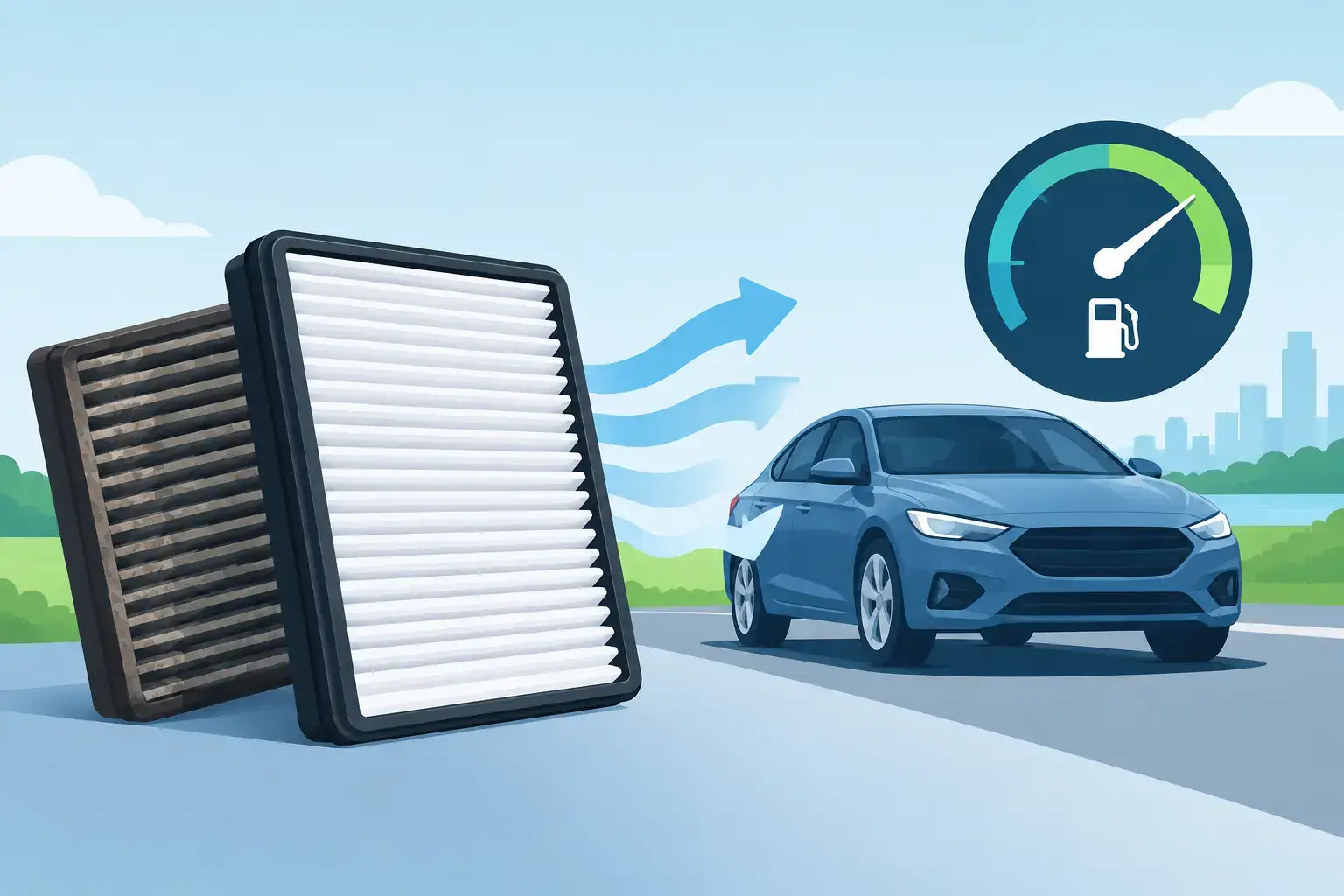
A clogged factory filter is not an automatic fuel-economy disaster, and a performance filter is not a magic route to more miles per gallon. So, do air filters increase mileage? Sometimes, but the honest answer depends on the condition of the existing filter, the vehicle’s engine management, and how the vehicle is driven.
For most modern fuel-injected cars, trucks, and motorcycles, replacing a reasonably clean filter with a high-flow unit will not create a dramatic MPG jump. What it can do is help the engine breathe with less restriction while continuing to protect it from harmful contaminants. That matters most when the original filter is dirty, undersized for the application, or when the vehicle is regularly operated under demanding conditions.
Do Air Filters Increase Mileage on Modern Vehicles?
Modern engines use electronic fuel injection, oxygen sensors, mass airflow sensors, and engine control modules to adjust fueling in real time. When airflow changes, the system usually compensates to maintain the correct air-fuel ratio. This is why a clean air filter alone rarely produces a large, consistently measurable fuel-economy gain in a modern vehicle.
A heavily restricted filter is different. If it limits airflow enough to affect engine performance, replacing it can restore normal operation. The driver may notice crisper throttle response, more consistent acceleration, and potentially improved fuel economy compared with running the vehicle on a neglected filter. In this case, the gain comes from correcting a problem, not from creating free fuel economy.
Older carbureted vehicles can react differently because their fuel systems are less adaptive. Restriction at the intake may affect the mixture more directly, so a fresh filter can have a more noticeable impact. Still, the right expectation is restored efficiency, not a guaranteed MPG transformation.
Why Airflow Can Affect Fuel Use
An engine needs a precise balance of clean air and fuel. The air filter’s job is to prevent dust, grit, and debris from reaching sensitive engine components while allowing sufficient airflow for combustion. If a filter becomes severely loaded with contaminants, the engine has to work harder to draw air through it, particularly at higher RPM and under acceleration.
Less intake restriction can improve the engine’s ability to move air. Under the right conditions, that can support stronger horsepower, torque, and throttle response. But fuel economy is influenced by much more than intake airflow. Vehicle weight, tire pressure, traffic, road grade, fuel quality, idling time, maintenance condition, and driver inputs all play a role.
That final factor is often overlooked. A vehicle that feels more responsive after an intake upgrade can tempt a driver to accelerate harder. If the extra performance is used often, fuel consumption can rise even though the intake itself flows more efficiently. A high-flow filter can support efficiency, but it cannot overcome an aggressive right foot.
When a New Filter Is Most Likely to Help
The strongest case for an air-filter-related mileage improvement is a vehicle with a genuinely dirty or damaged filter. A filter that has been driven far beyond its service interval, used in dusty worksites, or exposed to heavy debris may restrict airflow more than intended. Replacing it with the correct filter restores the intake system to proper working condition.
Drivers who operate in stop-and-go traffic, on unpaved roads, around construction areas, or in dusty industrial environments should pay closer attention to filter condition. The same applies to motorcycles, ATVs, heavy-duty equipment, and small engines, where the operating environment can load a filter quickly.
A washable, reusable high-flow filter may also provide a long-term ownership advantage. Rather than repeatedly purchasing and discarding disposable filters, you can clean and re-oil the filter according to its maintenance instructions. Over the life of the vehicle, that can reduce replacement waste and lower the cost of routine filter changes.
The key word is correctly. A reusable filter must be cleaned, dried, and oiled using the recommended process. An improperly serviced filter can cause problems that erase any potential benefit.
High-Flow Filters: Mileage Benefit or Performance Benefit?
A high-flow replacement filter is primarily a performance and service-life upgrade, not a fuel-economy promise. Its value is in balancing strong filtration with reduced restriction compared with many conventional disposable filters. On a healthy vehicle, the biggest changes may be improved intake sound, sharper response, and better airflow at higher engine speeds.
At steady highway speeds, most passenger vehicles are not demanding maximum intake airflow. Aerodynamic drag and rolling resistance have a much greater influence on fuel use. That means a high-flow filter may not move the needle much during relaxed cruising.
During hard acceleration, towing, spirited riding, or high-load work, airflow demand rises. This is where a less restrictive intake path can be more relevant. If your priority is stronger acceleration or maximizing the value of other airflow modifications, a high-flow filter makes more sense than buying one solely to chase MPG.
K&N high-flow air filters use washable, reusable oiled cotton media designed to capture contaminants while supporting efficient airflow. For owners who keep their vehicles for years, that combination of protection, serviceability, and reduced disposable-filter waste can be more meaningful than a single MPG claim.
A Filter Will Not Fix Other Mileage Problems
It is easy to blame the air filter when fuel economy drops, but many issues are more likely culprits. A check-engine light, failing oxygen sensor, worn spark plugs, underinflated tires, dragging brakes, dirty fuel injectors, weak ignition components, or an engine that never reaches operating temperature can all hurt mileage.
A dirty mass airflow sensor can also create drivability and fueling issues. If the sensor is part of the intake system, inspect it carefully during service and follow the vehicle manufacturer’s procedure. Do not use harsh cleaners or touch delicate sensing elements.
For turbocharged and supercharged applications, inspect the full intake tract as well. Loose clamps, cracked hoses, and boost leaks can reduce performance and affect fuel use. Installing a fresh filter without addressing an air leak will not deliver the result you expect.
Choosing the Right Air Filter for Your Vehicle
Fitment comes first. An air filter must seal correctly in the factory airbox or intake system. A filter with the wrong dimensions, damaged sealing surfaces, or an incorrect flange can allow unfiltered air into the engine. That risk is never worth a perceived airflow gain.
Next, match the filter to how you use the vehicle. A daily commuter may benefit most from a direct-fit replacement that provides dependable filtration and reusable convenience. A performance build may benefit from a complete intake system engineered for that specific vehicle. Off-road machines, motorcycles, marine engines, and work equipment need a solution that considers their exposure to dust, water, vibration, and sustained load.
Also follow the service interval based on real conditions, not habit alone. Inspect more often in dusty environments, but do not clean a reusable filter before it actually needs service. Excessive cleaning or over-oiling is unnecessary and can shorten the time between maintenance cycles.
How to Get Better Mileage Beyond the Filter
Think of the air filter as one part of a complete maintenance strategy. Keep tires inflated to the vehicle manufacturer’s recommended pressure, use the specified engine oil, address warning lights promptly, and avoid carrying unnecessary weight. Smooth acceleration and steady speeds usually make a bigger difference at the fuel pump than any single intake component.
If your existing filter is visibly dirty or overdue for replacement, servicing it is a practical first step. If you want reusable filtration, dependable engine protection, and a more responsive intake experience, choose a correctly fitted high-flow filter and maintain it properly. The best result is not a promised MPG number – it is an engine that gets clean air, performs as intended, and stays ready for every mile ahead.