
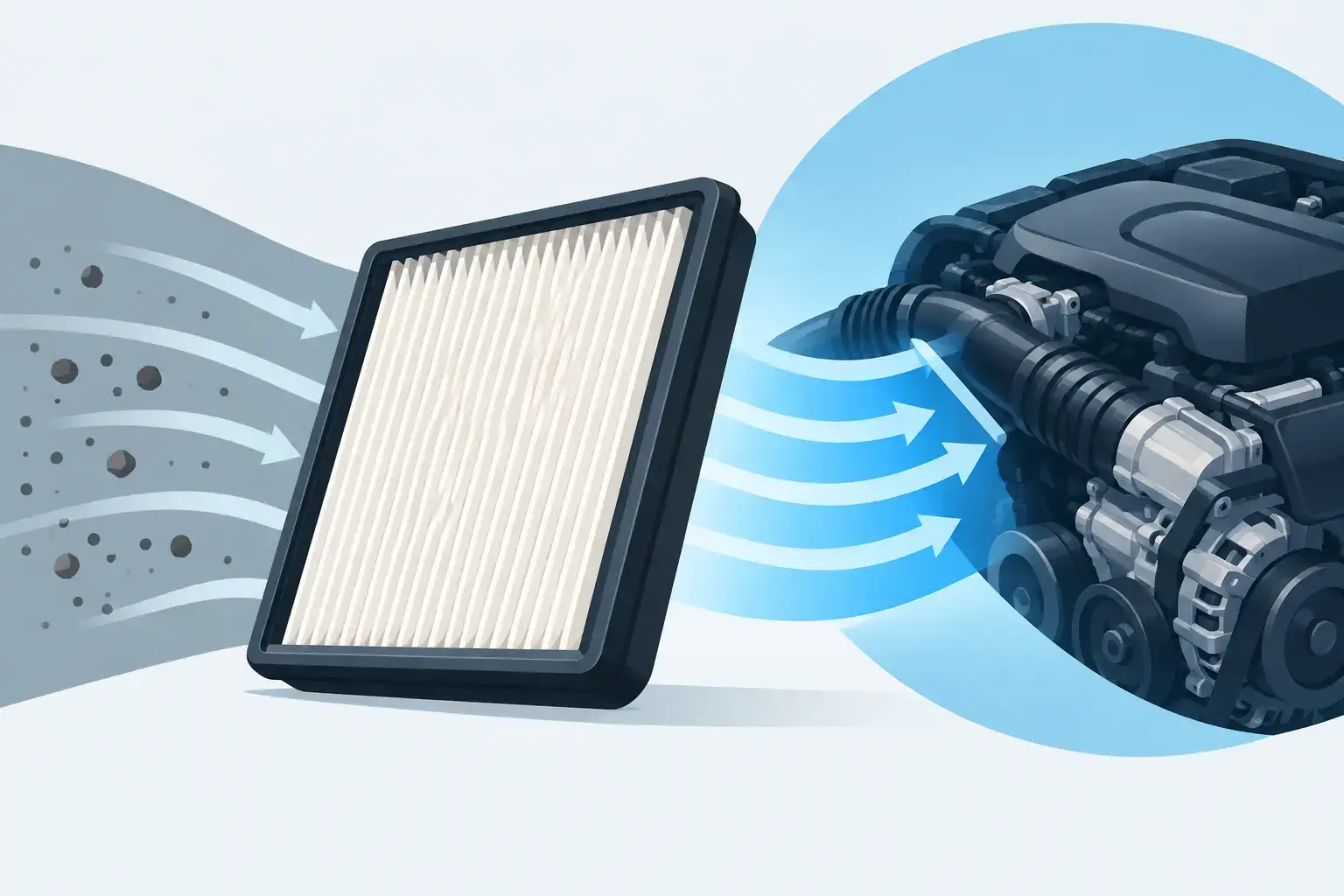
A filter is easy to overlook because it sits inside an air box, out of sight and usually out of mind. But why engine air filters matter becomes clear every time your vehicle pulls into traffic, climbs under load, or runs for hours in heat and dust. Your engine needs a large volume of clean air to make power efficiently. The air filter is the component responsible for supplying it without allowing damaging contaminants into the intake system.
For a daily-driven car, a touring motorcycle, a work truck, or a small engine, filtration is not just a maintenance item. It affects engine protection, throttle response, operating consistency, and the long-term cost of ownership. The right filter has to strike a disciplined balance: capture dirt effectively while allowing the engine to breathe.
Why Engine Air Filters Matter for Protection and Power
Every combustion engine is effectively an air pump. It draws ambient air through the intake, combines that air with fuel, and converts the combustion event into usable torque. More importantly, it must do this repeatedly under changing temperatures, engine speeds, and road conditions.
The problem is that ambient air is never truly clean. It can carry dust, grit, pollen, tire debris, soot, and fine particles that are too small to notice but large enough to cause trouble inside an engine. If contaminants bypass the filter, they can enter the intake tract and cylinders. Over time, abrasive particles may contribute to wear on cylinder walls, piston rings, valves, and other precision surfaces.
A quality engine air filter is the first line of defense. Its job is to trap contaminants before they reach components that depend on clean airflow. That protection matters whether your vehicle spends its life in city traffic, on expressways, near construction zones, or on unpaved trails. The dirtier the operating environment, the more attention filtration deserves.
At the same time, an engine cannot perform at its best if airflow is excessively restricted. When a filter becomes heavily loaded with dirt, the engine may need to work harder to draw air through it. Depending on the vehicle and its engine-management system, that can show up as softer throttle response, less eager acceleration, or reduced performance when carrying passengers, cargo, or towing weight.
Clean Air Supports Consistent Combustion
Modern engines use sensors and electronic controls to adjust fuel delivery and ignition timing. These systems are highly capable, but they still rely on a stable supply of intake air. A neglected filter can disrupt that supply and make it harder for the engine to operate as intended.
This does not mean every old filter causes an immediate, dramatic loss of horsepower. On many modern vehicles, the difference can be gradual enough that drivers do not notice until they install a fresh filter. The benefit is often consistency: cleaner airflow, more predictable response, and the confidence that the engine is receiving the air it was designed to use.
For performance-minded owners, airflow capacity becomes even more relevant. An engine operating at higher rpm demands more air. Intake modifications, tuning, exhaust upgrades, and spirited driving can all increase the value of an intake system designed to flow efficiently while maintaining effective filtration. A high-flow filter is not a magic fix for every vehicle, but it can be a meaningful part of a well-matched performance setup.
The Trade-Off Is Filtration Efficiency Versus Restriction
Not all filters use the same media or construction. Standard disposable filters commonly use paper-based media designed for routine replacement. They can provide effective filtration and may be the right choice for owners who prefer a simple replace-and-discard service schedule.
Reusable oiled-cotton filters approach the job differently. Multiple layers of cotton gauze, supported by wire mesh and treated with the correct amount of filter oil, are designed to capture contaminants while supporting strong airflow. When properly maintained, they can be washed, re-oiled, and returned to service rather than thrown away after a single use.
The key phrase is properly maintained. Too little oil can reduce the media’s ability to capture fine contaminants. Too much oil can create avoidable issues, particularly on vehicles with sensitive mass airflow sensors. Cleaning with the appropriate cleaner, allowing the filter to dry fully, and applying oil evenly are not optional steps. They are part of preserving the filter’s intended performance.
A Dirty Filter Does Not Always Look Obvious
Many owners wait until a filter looks black before checking it. Visual inspection is useful, but appearance alone is not always a complete test. Fine dust can load a filter without creating a dramatic surface change, and some filters naturally darken as they collect contaminants.
Follow the vehicle manufacturer’s maintenance schedule as a baseline, then adjust based on how and where you drive. A commuter that stays on clean paved roads may have different needs than a pickup used around job sites, a motorcycle ridden in dusty conditions, or an ATV that regularly sees trails. Heavy traffic, road construction, seasonal haze, and frequent stop-and-go operation can all justify more frequent inspections.
Pay attention to changes in the vehicle as well. Sluggish acceleration, a less responsive throttle, an unusual intake sound, reduced fuel economy, or a visibly damaged filter are all reasons to inspect the air filter and air box. These symptoms can have other causes, so a filter check should be part of diagnosis rather than an automatic conclusion.
Check the Whole Intake Path
The filter is only as effective as the system around it. A cracked air box, loose clamp, damaged intake tube, or poorly seated filter can allow unfiltered air to enter downstream of the filter. That defeats the purpose of even the best filter media.
During inspection, make sure the filter is seated correctly and the air-box cover closes evenly. Look for torn seals, warped edges, broken clips, and debris inside the clean side of the intake housing. If dirt is present after the filter, find the source before installing a replacement or servicing a reusable element.
For vehicles using an aftermarket intake, correct fitment matters just as much. A component engineered for a specific vehicle application is more likely to provide proper sealing, sensor compatibility, and hood-clearance considerations. Buying by year, make, model, engine, and submodel is worth the extra minute.
Reusable Filters Can Reduce Long-Term Waste
Disposable filters are convenient, but their repeated replacement creates an ongoing stream of waste. For owners who keep a vehicle for years, a washable and reusable filter can reduce the number of used filters sent to landfills while also reducing repeat replacement purchases.
That value grows with vehicle ownership. A reusable filter can make particular sense for enthusiasts, high-mileage drivers, fleet operators, and owners of motorcycles, powersports equipment, marine engines, and work equipment that require regular attention. Rather than treating the filter as a recurring discard item, you maintain it as a durable component.
There is a practical trade-off. Reusable filters require time, cleaning supplies, and proper technique. If you need the vehicle immediately, the cleaning and drying process may not suit your schedule. Some owners keep a second serviced filter available, while others prefer the convenience of a disposable replacement. The best choice depends on your maintenance habits as much as your vehicle.
Choosing the Right Engine Air Filter
Start with fitment, not assumptions. Two engines in the same model year can use different filter sizes, shapes, and intake configurations. Verify the exact application before ordering, especially if the vehicle has a turbocharged engine, hybrid powertrain, special trim, or previous aftermarket modifications.
Next, think about your ownership goal. If you want a straightforward factory-style replacement, prioritize proper sealing and dependable contaminant protection. If you are looking for a reusable option with high-flow oiled-cotton media, choose one designed specifically for your application and commit to servicing it correctly. If your goal is a more comprehensive airflow upgrade, an engineered intake system may be more appropriate than changing the filter alone.
K&N has spent more than 50 years developing washable, reusable filtration and intake solutions for drivers who want durable engine protection and performance-focused airflow. The right product is not necessarily the most aggressive-looking option. It is the one that fits your vehicle, your environment, and the way you use it.
A clean, correctly fitted air filter is a small component with a large responsibility. Check it before it becomes an afterthought, service it the right way, and let your engine breathe through protection built for the miles ahead.