
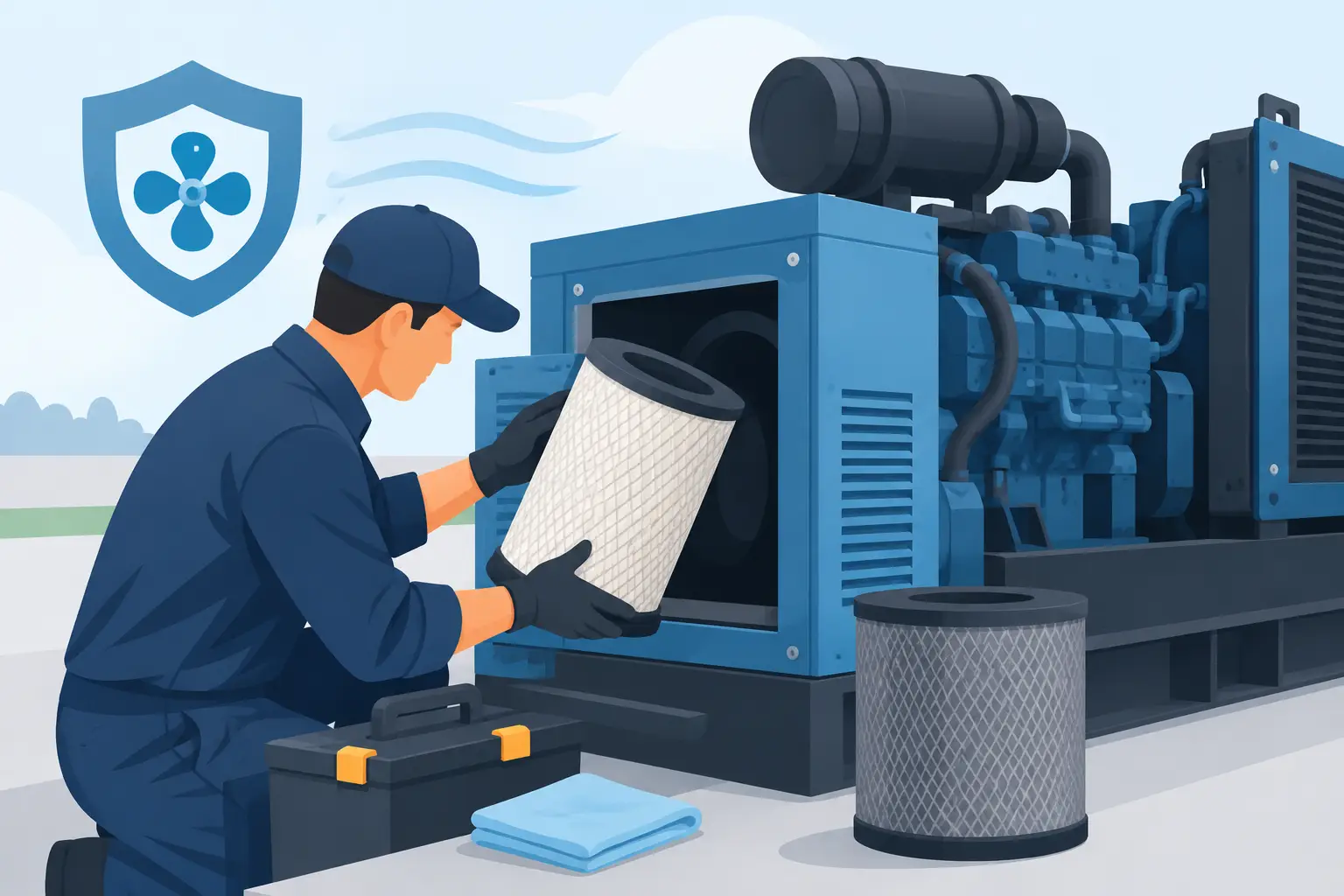
A heavy-duty engine can tolerate long hours, high loads, and demanding terrain. What it cannot tolerate indefinitely is dirty intake air. Heavy duty air filter maintenance is a direct investment in airflow, engine protection, fuel-efficient operation, and dependable uptime – whether the equipment is a work truck, generator, industrial machine, marine engine, or off-road vehicle.
The goal is not simply to make a filter look clean. The goal is to keep contaminants out while supplying the engine with the air it needs. That distinction matters, especially for equipment operating around construction dust, unpaved roads, agricultural debris, humid marine conditions, or stop-and-go fleet routes.
Why Heavy Duty Air Filter Maintenance Matters
Every gallon of fuel burned requires a significant volume of air. That air carries dust, grit, soot, pollen, moisture, and fine debris depending on where the vehicle or equipment operates. The air filter is the first line of defense between those contaminants and precision engine components.
When a filter is overdue for service, restriction can increase. The engine may have to work harder to draw in air, potentially affecting throttle response, acceleration, and operating efficiency. More seriously, a damaged, improperly fitted, or poorly serviced filter can allow abrasive particles into the intake tract. Over time, those particles can contribute to wear on cylinders, pistons, rings, turbocharger components, and sensors.
For fleet operators, the cost is not limited to a replacement filter. Reduced productivity, unscheduled downtime, diagnostic labor, and premature engine wear can carry a far larger price. For enthusiasts, a neglected filter can also hold back the sharper response and performance gains expected from a properly maintained intake system.
Use Operating Conditions, Not Just the Calendar
A fixed mileage interval is useful, but it is not the complete answer for heavy-duty applications. A truck operating on clean highways has a very different intake-air environment from a loader working near loose aggregate or a pickup regularly traveling dusty job sites.
Inspect the filter and intake system more frequently when equipment operates in high-dust environments, follows other vehicles on unsealed roads, works extended idling shifts, or encounters oil mist and humidity. In these cases, waiting for a standard service interval may be too long.
At the same time, avoid servicing a filter solely because the surface looks dark. A loaded filter can still be functioning properly, and unnecessary cleaning can create risk if the media is handled roughly or reinstalled before it is fully dry. For equipment fitted with a restriction indicator, follow the indicator and the vehicle or engine manufacturer’s guidance. It provides a more useful measure than appearance alone.
Inspect the Whole Intake Path
An air filter does not work alone. During routine heavy duty air filter maintenance, inspect the airbox, housing cover, intake tube, clamps, seals, and any pre-cleaner components. A premium filter cannot protect an engine if unfiltered air can bypass it through a loose clamp or damaged gasket.
Look for cracked housings, flattened seals, missing fasteners, rubbed-through intake ducts, and dirt tracks around the filter’s sealing surface. Dirt on the clean side of the airbox is a warning sign. It may point to incorrect installation, a compromised seal, or damage that needs attention before the equipment returns to service.
Also check for leaves, nesting material, standing water, or heavy debris in the airbox. Removing loose debris carefully prevents it from entering the clean side during filter removal. Do not use high-pressure air near the filter media or blast debris toward the intake opening.
Signs That Service Should Move Up the Schedule
Pay closer attention when you notice any of the following:
- A restriction indicator shows the filter has reached its service point.
- Power delivery or throttle response feels reduced under load.
- The airbox seal, filter frame, or intake duct shows visible damage.
- The equipment has been operating in unusually dusty, smoky, or debris-heavy conditions.
- Dirt is visible on the clean side of the intake housing.
These symptoms do not always mean the filter is the only issue. Turbo, fuel, sensor, and exhaust-system faults can produce similar performance complaints. But the intake path is a fast, practical place to begin inspection.
Cleaning Washable Oiled-Cotton Filters Correctly
Washable oiled-cotton filters offer a different maintenance model from disposable paper elements. Instead of throwing away the filter at every service interval, the filter can be cleaned, dried, and re-oiled for continued use when maintained correctly. This can reduce ongoing replacement waste while supporting high airflow and effective filtration.
The process requires patience. Remove the filter carefully and inspect it before cleaning. If the media is torn, the frame is cracked, or the sealing surface is damaged, cleaning is not the solution. Replace the filter.
Apply a cleaner designed for the filter media and allow it to loosen dirt as directed. Rinse using cool, low-pressure water from the clean side outward. This helps push contaminants back out of the media rather than deeper into it. Never use gasoline, solvents, steam, harsh degreasers, or a pressure washer. These can damage cotton media, adhesives, and sealing materials.
After rinsing, allow the filter to air-dry naturally. Heat guns, hair dryers, ovens, and compressed air can distort or damage the media. Re-oil only when the filter is completely dry, using the correct filter oil and applying it evenly across the pleats. The oil is part of the filtration system: it helps the cotton media capture fine contaminants while maintaining airflow.
More oil is not better. Over-oiling can lead to excess oil migrating into the intake system and may contaminate nearby sensors. Let the oil wick through the media, inspect for light or dry-looking areas, and apply only a small amount where needed. A correctly serviced filter should have even coverage, not a dripping or saturated appearance.
K&N filter cleaner and oil products are formulated for K&N washable filter media, helping owners maintain the filtration characteristics the filter was designed to deliver.
Disposable Elements Need Care Too
Not every heavy-duty application uses a washable filter, and disposable filters are often the correct choice for specific factory airbox designs and duty cycles. Their maintenance is simpler, but the same installation discipline applies.
Replace a disposable element when the restriction indicator, service schedule, or inspection calls for it. Do not try to wash a paper filter, and do not assume that blowing it out with compressed air restores its original filtration capability. Compressed air can create tiny tears, separate media fibers, or drive contaminants into the filter.
Before fitting a new element, wipe the airbox sealing area with a clean, lint-free cloth. Confirm that the filter sits squarely in the housing and that the cover closes without forcing it. A filter that is slightly misaligned can create a gap large enough for dirty air to bypass the media.
Avoid the Maintenance Mistakes That Cost Engines
The most common mistakes are easy to prevent: servicing too often based on appearance, ignoring a restriction indicator, using aggressive cleaning methods, over-oiling reusable media, and reinstalling a filter before it is dry. Another frequent issue is forgetting the airbox seal or failing to secure the cover evenly.
Keep service records for fleet vehicles and high-hour equipment. Record the date, operating hours or mileage, operating conditions, filter condition, and any restriction reading. Over several service cycles, this creates a realistic maintenance baseline for each application. A delivery truck in city traffic and an excavator at a dusty site should not necessarily follow the same filter schedule.
For performance intake systems, use the filter and maintenance products specified for that system. Fitment, filter dimensions, and airflow requirements vary by engine. Choosing by appearance alone can cause poor sealing, clearance issues, or incorrect sensor behavior.
Make Filter Service Part of Uptime Planning
The best time to discover a damaged air filter is during a planned inspection, not when an engine is down. Build intake checks into oil-service intervals, pre-trip inspections, or scheduled equipment walkarounds. Keep the right replacement filter or cleaning supplies on hand for high-use vehicles, particularly when work cannot wait for parts.
A clean, correctly installed air filter is a small component with an outsized effect on engine protection and performance. Treat it as part of the engine’s working system, not an afterthought, and every hour of heavy-duty operation has a better foundation for reliable power.