Posted on

Engine Air Filtration Guide for Better Performance

Engine Air Filtration Guide for Better Performance

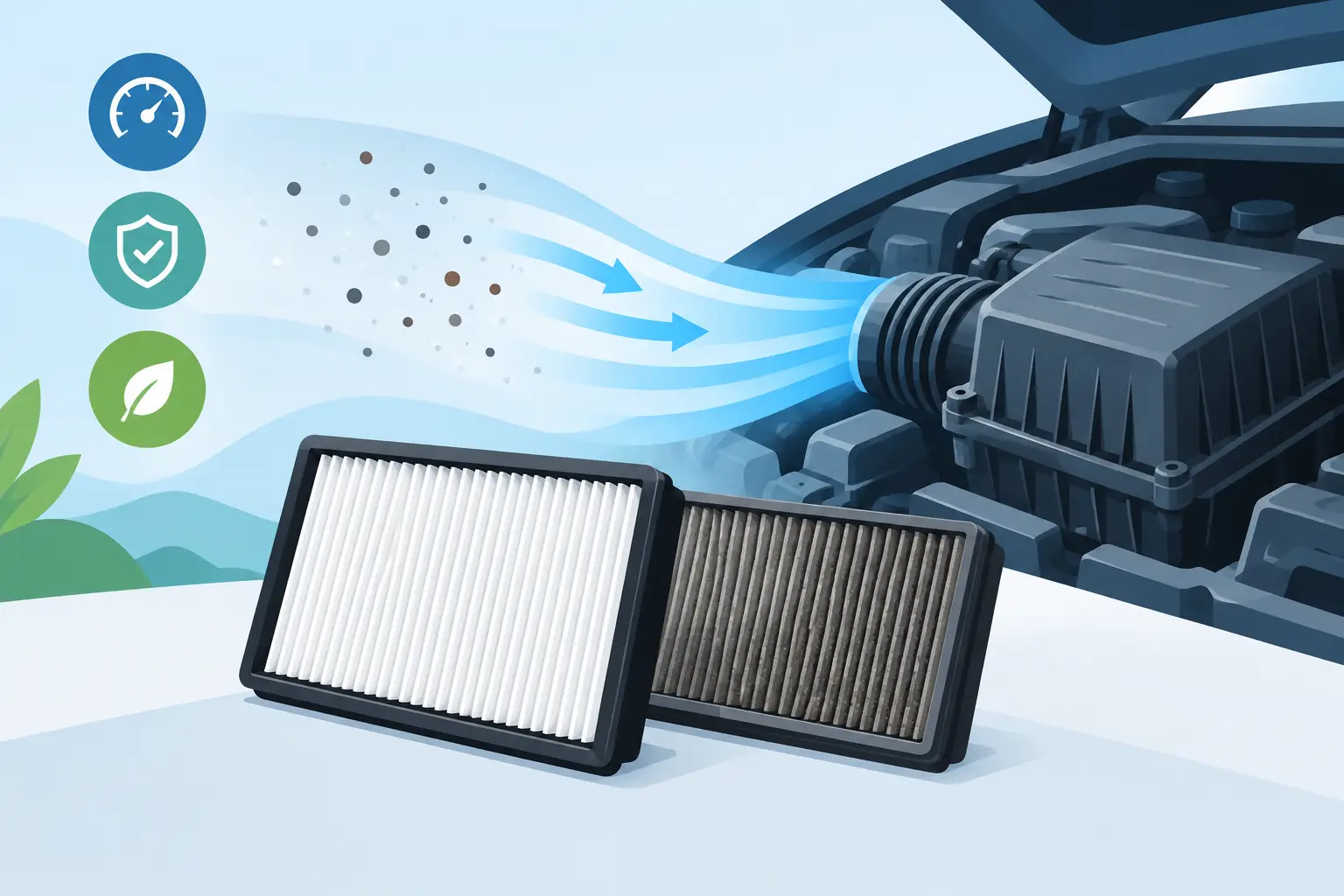
A filter can look clean from the outside and still be carrying enough fine dust to restrict airflow. It can also look dirty and still be doing its job effectively. That is why a useful engine air filtration guide starts with more than appearance: it starts with the balance between clean air, steady airflow, correct fitment, and service at the right time.

For a daily commuter, that balance protects the engine over thousands of miles. For a modified car, motorcycle, truck, or powersports machine, it can also affect throttle response and the engine’s ability to breathe under load. The right air filter is not simply a maintenance item. It is part of the engine’s protection system and, in the right application, part of its performance package.

What an Engine Air Filter Actually Does

Every combustion engine needs air. But the air entering an intake contains dust, sand, road debris, pollen, and other particles that can cause abrasive wear if they reach internal engine components. The air filter captures those contaminants before they travel through the intake tract.

At the same time, the filter must allow sufficient airflow. A media design that captures particles extremely well but creates excessive restriction may limit the volume of air available to the engine, especially at higher RPM. A filter that flows freely but does not provide dependable contaminant control is not a performance upgrade. It is a risk.

This is the central trade-off in engine air filtration: protection and airflow must work together. Quality filtration is engineered around both, rather than treating either one as optional.

Why Airflow Matters to Performance

An engine is essentially an air pump. It draws air in, mixes it with fuel, combusts that mixture, and expels exhaust gases. When the intake side is unnecessarily restrictive, the engine may need to work harder to draw in air.

Replacing a clogged disposable filter with a fresh, properly fitted filter can restore lost responsiveness. On vehicles with a restrictive factory intake path, a high-flow replacement filter or a complete intake system may further improve airflow. Results depend on the vehicle, ECU calibration, intake design, exhaust setup, climate, and how the vehicle is used.

Do not expect every replacement filter to transform a stock vehicle overnight. The more realistic ownership benefits are cleaner, more consistent airflow; stronger intake sound on some applications; and a responsive feel when the original filter is overdue for replacement. When paired with a well-designed intake system, airflow improvements can support horsepower, torque, and acceleration gains where the application allows.

Restriction Is Not Always Visible

A filter collects contaminants throughout its depth and across its surface. The darkened area you can see is only part of the story. In dusty conditions, frequent stop-and-go driving, construction zones, unpaved roads, or off-road use, a filter can load up far faster than a calendar-based estimate suggests.

Conversely, replacing a filter too early wastes money and material. Check the manufacturer service guidance, inspect the filter and airbox seal, and consider the environment in which the vehicle actually operates.

Filter Media: Paper, Synthetic, and Oiled Cotton

Most factory filters use pleated paper media. Paper filters are convenient, widely available, and typically designed as disposable components. They are a sensible choice for many standard maintenance routines, but they must be replaced when service is due.

Synthetic media filters can offer another disposable or reusable option, depending on the design. Their performance characteristics vary widely, so the material name alone does not tell you how well a filter will fit, flow, or protect.

Oiled cotton gauze filters use layers of cotton media supported by wire mesh and treated with filter oil. The cotton provides surface area while the oil helps capture contaminants as air passes through. This design is commonly selected by owners who want a washable, reusable filter that can remain in service for the life of the vehicle when properly maintained.

K&N has built its High-Flow Air Filter platform around this washable, reusable oiled-cotton approach for a wide range of cars, motorcycles, trucks, and equipment. The practical advantage is straightforward: instead of repeatedly buying and discarding replacement filters, the owner cleans, dries, oils, and reinstalls the existing filter at the appropriate service interval.

Choosing the Right Filter for Your Vehicle

Fitment comes first. A high-quality filter that does not seal correctly around the airbox, intake flange, or filter housing can allow unfiltered air to bypass the media. Always select a filter designed for the exact year, make, model, engine, and, where relevant, trim or intake configuration.

A direct replacement panel filter fits inside the factory airbox. It is often the best route for drivers who want reusable filtration while retaining the factory intake layout, noise level, and installation simplicity. This option suits daily-driven cars, fleet vehicles, and riders who want better serviceability without changing the character of the vehicle.

A conical or cylindrical filter may be used in an aftermarket intake system or on motorcycles, ATVs, marine engines, and equipment with exposed or custom intake arrangements. These applications require closer attention to clearance, heat exposure, weather protection, and secure mounting.

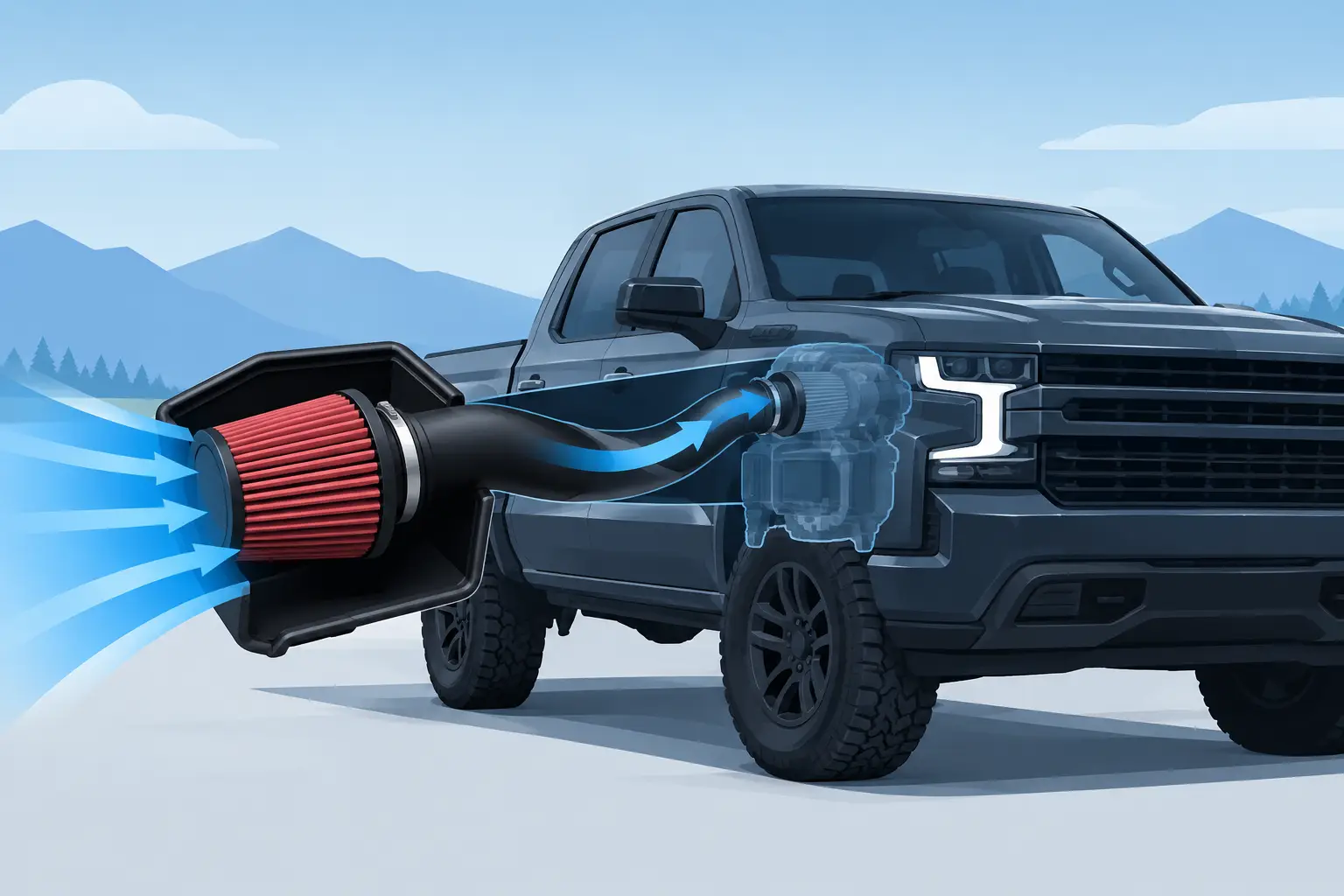
A complete cold-air intake system replaces more than the filter. Depending on the design, it may include an intake tube, heat shield, mounting hardware, and a larger filter element. This can be a stronger option when your goal is improved intake sound and performance potential, but it must be designed for the specific vehicle. An open filter placed where it draws hot underhood air may not deliver the same real-world result as a properly shielded, vehicle-specific system.

Service Intervals: Follow Conditions, Not Guesswork

The correct cleaning interval depends on use. A highway commuter in a relatively clean environment will have different needs from a dirt bike, work truck, construction-site vehicle, or powersports machine used on dusty trails.

Inspect the filter during regular maintenance and clean it when there is visible buildup across the media or when the applicable service guidance calls for it. Avoid cleaning simply because the filter has changed color. With reusable oiled-cotton media, some discoloration is normal and does not automatically mean the filter has reached the end of its service interval.

For severe-duty conditions, inspection should be more frequent. This includes off-road riding, agricultural work, industrial equipment operation, driving near active construction, and repeated travel on dusty or unpaved roads. In humid tropical climates, also inspect the airbox for moisture, debris, and signs of an imperfect seal.

How to Clean a Reusable Oiled-Cotton Filter

Cleaning is simple when done patiently, but shortcuts can reduce performance or damage the media. Use a cleaner formulated for the filter, apply it according to the product directions, and allow it time to loosen accumulated dirt. Rinse gently with cool, low-pressure water from the clean side outward so contaminants are pushed away from the filter media.

Let the filter air-dry completely. Do not use compressed air, direct high heat, or a hair dryer. These methods can distort the media, damage seals, or create uneven drying.

Once dry, apply the correct filter oil evenly and sparingly. The goal is complete, even coverage, not saturation. Too little oil can reduce the media’s ability to capture fine contaminants. Too much oil can migrate through the intake and may create problems on vehicles with sensitive mass airflow sensors.

Before reinstalling, inspect the filter frame, sealing surface, clamps, airbox, and intake tube. Remove leaves, grit, or standing water from the airbox. A clean filter cannot compensate for a cracked intake tube or a loose clamp that allows unfiltered air to enter downstream.

Common Air Filtration Mistakes

The most expensive mistake is assuming that more airflow always means better filtration. A filter should be evaluated as a complete system: media construction, seal quality, application-specific fit, service procedure, and intake design all matter.

Another common error is over-oiling a reusable filter after cleaning. More oil is not more protection. Follow the specified amount and allow the oil to wick through the media before installation.

Owners also sometimes use generic degreasers, gasoline, solvents, or high-pressure water to clean a filter. These can harm filter materials, adhesives, or rubber sealing surfaces. Use the cleaning products intended for the filter type.

Finally, do not ignore the rest of the intake system. A filter replacement is a good time to check intake hoses, resonators, airbox clips, mounting points, and sensor connectors. Reliable engine protection depends on the entire path from the air inlet to the throttle body.

A Better Long-Term Filtration Decision

The best engine air filter is the one that fits correctly, protects consistently, supports the airflow your engine needs, and matches how you use the vehicle. Disposable filters can be practical for standard scheduled maintenance. Reusable filters can offer long-term value, reduced replacement waste, and convenient serviceability for owners who are willing to maintain them correctly.

Treat your filter as a working engine component, not an afterthought. A properly selected and serviced filter helps your vehicle breathe cleaner on the daily commute, under hard acceleration, and wherever the road or trail takes you.


Posted on

Singapore Performance Filters That Earn Their Keep

Singapore Performance Filters That Earn Their Keep

A filter is easy to overlook until the engine feels flat on acceleration, fuel use starts creeping up, or a routine service reveals a dirty paper element restricting airflow. Singapore performance filters are not simply an enthusiast accessory. Chosen correctly, they are a practical upgrade for drivers and riders who want cleaner intake air, dependable engine protection, and better value from every service interval.

The right product depends on the vehicle, its use, and what you expect from the upgrade. A daily-driven sedan in stop-start traffic has different needs from a turbocharged weekend car, a delivery van, a motorcycle, or an industrial engine operating around dust. The goal is not to fit the most aggressive-looking part. It is to improve the path between clean air, efficient airflow, and long-term engine health without compromising fitment or maintenance.

Why filtration affects more than maintenance

Every internal-combustion engine needs air, but it also needs that air to be clean. Dust, grit, pollen, and fine airborne debris can enter through the intake tract. Left unmanaged, contaminants can contribute to wear in sensitive engine components. The air filter is the first line of defense, and its condition affects how readily the engine can breathe.

A conventional disposable filter is designed for replacement at regular intervals. It can be an appropriate choice for many vehicles, especially when factory maintenance simplicity is the priority. But as it loads with dirt, airflow can become more restricted. That restriction may be most noticeable when the engine is working hard – during overtaking, climbing, towing, or high-rpm riding.

A quality performance filter takes a different approach. K&N High-Flow Air Filters use layered, oiled cotton media engineered to capture contaminants while supporting strong airflow. Rather than discarding the filter at each replacement interval, the element can be cleaned, re-oiled, and returned to service. For owners who keep vehicles for years, that changes the calculation from repeated replacement purchases to long-term maintenance.

What Singapore performance filters can improve

The most honest answer is that results vary by application. A panel air filter in an otherwise stock vehicle will not transform it into a race car. What it can do is remove an avoidable intake restriction while preserving effective filtration. On vehicles with a dirty factory filter, the difference in throttle response can be more apparent simply because the engine is no longer being starved of air.

For naturally aspirated engines, freer airflow can support sharper response and modest performance gains where the intake system has capacity to benefit. Turbocharged engines may respond differently, as boost control and factory intake design play a larger role. The largest gains generally come from a properly engineered intake system, not from a filter alone.

A complete cold-air intake can replace restrictive factory intake components with a system designed to move air efficiently into the engine. Depending on the vehicle, this may support horsepower, torque, and acceleration while producing a more purposeful intake sound. The trade-off is that an intake is a larger change than a drop-in replacement filter. Fitment, local inspection requirements, engine calibration needs, and water exposure should all be considered before purchase.

For many daily drivers, a washable replacement filter is the sensible first step. It retains the original airbox, maintains a factory-style installation, and provides reusable filtration without altering the vehicle’s overall intake layout.

Choose the right filter for the job

Fitment comes before performance claims. A filter must match the specific year, make, model, engine, and, where relevant, trim or chassis variation. Small differences in an intake housing, sensor location, or engine configuration can make the wrong part unusable. Confirm the exact application before ordering, particularly for imported vehicles and motorcycles with market-specific specifications.

Next, consider the environment. Urban roads, construction activity, heavy rain, and regional haze can all influence how quickly an air filter becomes loaded. A vehicle used on paved roads may follow a standard inspection routine, while an off-road bike, ATV, work truck, or equipment engine needs more frequent checks. A filter should be serviced based on its actual condition, not just the calendar.

There is also a difference between engine air filters and cabin air filters. An engine air filter protects the combustion side of the vehicle and affects intake airflow. A cabin air filter helps manage what enters the HVAC system, reducing dust and other airborne particles reaching the passenger compartment. Both matter, but they solve different problems.

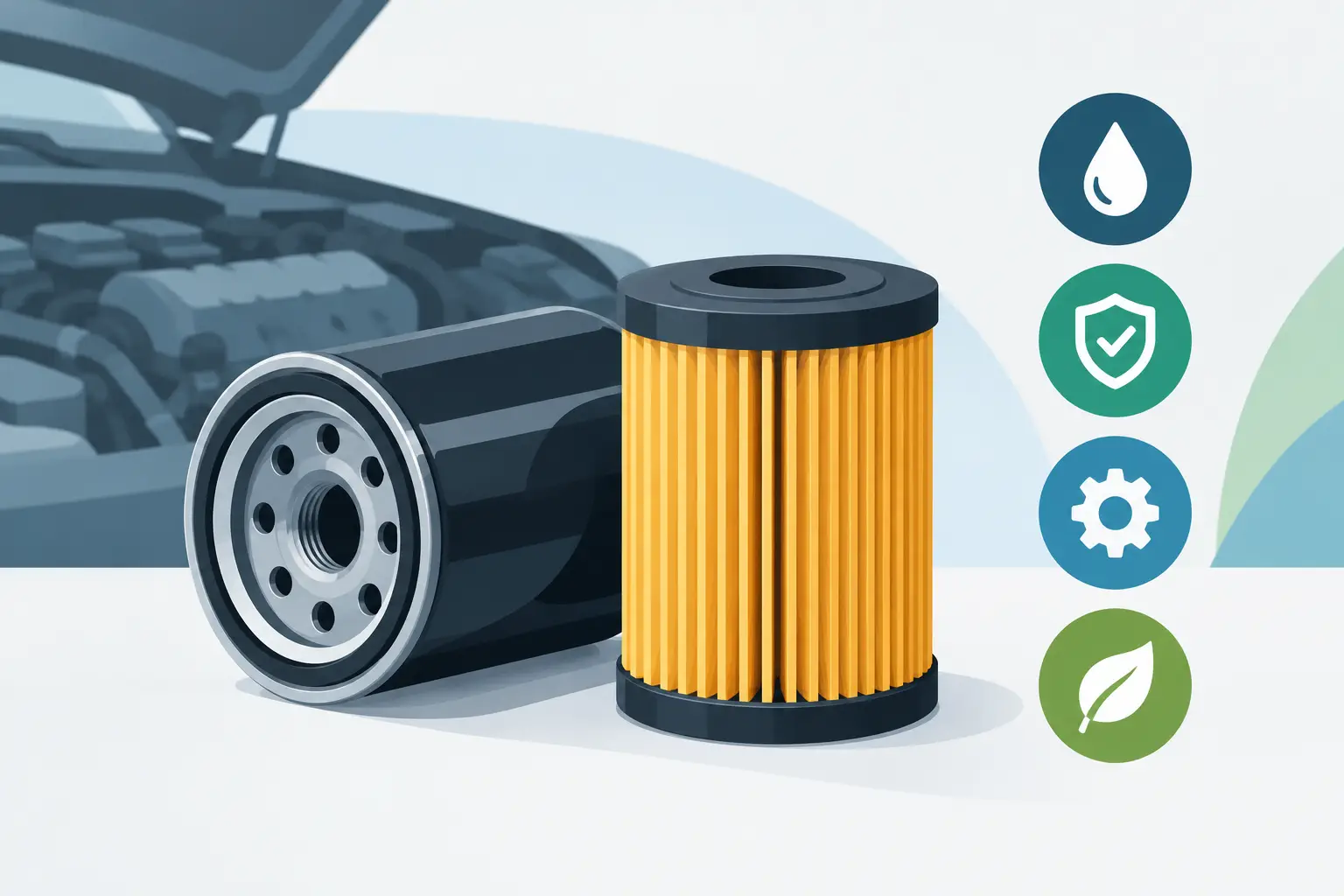
Oil filters deserve the same application-specific attention. Clean intake air helps protect the engine from external contaminants, while the correct oil filter supports clean lubrication throughout the engine. For owners focused on service life, these are complementary maintenance decisions rather than separate purchases.

Reusable filtration only works when it is maintained correctly

The reusable advantage is real, but it is not maintenance-free. An oiled cotton filter should be cleaned only when dirt buildup indicates service is needed. Over-cleaning can be as unnecessary as neglecting the filter. Avoid using compressed air, harsh solvents, gasoline, or household detergents that can damage the filter media or disrupt its oil treatment.

Use a dedicated filter-cleaning product, apply it according to instructions, rinse carefully from the clean side outward where specified, and allow the filter to dry naturally. Re-oil the media evenly with the correct filter oil. The oil is part of the filtration system: it helps the cotton media capture fine contaminants while retaining airflow characteristics.

More oil is not better. Oversaturating a filter can create a mess and may cause issues in applications with sensitive airflow measurement components. The filter should have consistent coverage, not visible pooling or dripping. Let the oil wick through the media before reinstalling it.

For a commuter vehicle, inspection at normal service intervals is often enough. For motorcycles, powersports machines, marine equipment, and vehicles used in dusty or humid conditions, inspect more often. The right interval depends on operating conditions, not a universal mileage number.

Performance upgrades should match the vehicle’s purpose

A performance part earns its place when it improves the ownership experience you actually want. For a commuter, that may mean a reusable panel filter that offers dependable protection and reduces disposable filter waste over the life of the car. For a performance enthusiast, it may mean a matched intake system that improves response and lets the engine breathe more freely. For a fleet or equipment operator, it may mean reducing downtime through durable, serviceable filtration.

Be realistic about the supporting system. If spark plugs, ignition components, fuel delivery, oil condition, or sensors are overdue for service, an intake upgrade will not fix those underlying issues. Likewise, a filter cannot compensate for a mechanical fault. Start with a healthy vehicle, then choose upgrades that complement its condition and intended use.

Factory airboxes are often well engineered for noise control, water management, and broad operating conditions. That is why a high-flow replacement filter is the best balance for some owners. Others may prefer the stronger sound and potential airflow benefits of a full intake. Neither choice is automatically better. It depends on whether your priority is discreet daily usability, stronger performance character, or maximum serviceability.

Buy for fitment, authenticity, and lifecycle value

Aftermarket filtration is only as good as the product and the support behind it. An incorrectly sized filter can leak, fit poorly, or fail to seal as intended. A counterfeit or unknown product can make claims about airflow without the material quality, manufacturing consistency, or application engineering to back them up.

Authorized supply matters because it gives owners confidence that the filter, intake, cleaner, and oil are designed to work together. K&N Filters Singapore offers application-focused access to reusable air filters, cabin filters, oil filters, intakes, and maintenance products for cars, motorcycles, trucks, powersports equipment, and more.

Look beyond the initial price tag. A disposable filter may cost less upfront, while a washable reusable filter can offer stronger long-term value for an owner who services it correctly and keeps the vehicle. It also reduces the number of used paper filters sent to landfill. That does not make reusable filtration the right answer for every owner, but it is a meaningful advantage when regular maintenance is part of your routine.

Before your next service, inspect the intake filter instead of treating it as an afterthought. The right filter will not just sit in the airbox – it will help your engine breathe, protect what matters inside, and keep earning its place every mile.

Posted on

Disposable Versus Reusable Filters Compared

Disposable Versus Reusable Filters Compared

A filter is a small service part with an outsized job. It stands between your engine and abrasive airborne debris, and its condition can affect drivability, service costs, and the long-term health of the equipment you rely on. When considering disposable versus reusable filters, the better choice is not simply the one with the lowest price on the shelf. It is the one that suits your vehicle, operating environment, maintenance habits, and performance goals.

For many vehicles, a conventional paper filter is a practical factory-style replacement. For owners who want long-term serviceability and potentially improved airflow, a washable reusable filter can be a smarter investment. The differences matter most when you look beyond the first purchase.

Disposable Versus Reusable Filters: The Core Difference

Disposable engine air filters are typically made with pleated paper media and installed as a single-use component. Once the media becomes loaded with dirt, the filter is removed and replaced. This approach is familiar, quick for workshops, and widely available for passenger cars, motorcycles, trucks, and equipment.

Reusable filters use durable media designed to be cleaned and returned to service. K&N high-flow air filters, for example, use multiple layers of oiled cotton gauze between protective wire screens. The filter captures contaminants while allowing air to pass through, then can be washed, dried, and re-oiled with the correct service products when maintenance is due.

Neither design should be judged by appearance alone. A clean-looking filter may still be due for service based on mileage, operating conditions, or a visual inspection of the intake tract. Conversely, a filter that looks dirty is often doing its job by holding contaminants outside the engine.

Airflow, Filtration, and Real-World Performance

An engine needs a consistent supply of clean air. As a disposable paper filter accumulates debris, its airflow capacity can decline. On a standard daily driver, that may not create an obvious issue immediately. On a performance-oriented vehicle, a heavily loaded or restrictive filter can become one more limitation in the intake path.

Reusable oiled-cotton filters are built for efficient airflow alongside effective contaminant capture. That is why they appeal to drivers seeking sharper response, stronger acceleration, and the foundation for potential horsepower and torque gains when matched to the vehicle and its overall intake system. A replacement panel filter will not transform every vehicle on its own, but reducing unnecessary intake restriction can support the engine’s ability to breathe.

Filtration protection remains non-negotiable. Dust and fine debris entering the intake can contribute to wear over time, particularly in motorcycles, off-road vehicles, work trucks, marine applications, and equipment exposed to dirty operating conditions. The goal is not maximum airflow at any cost. It is a properly engineered balance between airflow and filtration, with a filter made for the specific application.

For an everyday commuter used mainly in clean urban traffic, the difference may be most noticeable in service life and convenience. For a rider or driver operating in dusty conditions, inspecting the filter more often is essential regardless of which media type is installed.

Upfront Price Versus Cost Over Time

A disposable filter usually wins on initial purchase price. That can make sense when a vehicle is near the end of its ownership cycle, when maintenance is handled entirely by a workshop, or when the owner prefers a simple replace-and-go schedule.

The longer you keep a vehicle, the more the calculation changes. Repeated disposable-filter purchases add up over multiple service intervals. A reusable filter costs more at the beginning, but it is designed to be serviced and used for the life of the vehicle when maintained correctly. For owners who plan to keep their car, truck, motorcycle, or powersports machine for years, that can make the reusable option a compelling value proposition.

There is a practical trade-off: reusable filters require cleaning materials and a little time. Those are real costs, even if they are typically modest over the filter’s usable life. If you know the filter will never be serviced properly, a disposable replacement may be the more responsible choice.

Maintenance Is the Deciding Factor

A reusable filter is not maintenance-free. It earns its value through correct service. Cleaning too often, using the wrong chemicals, applying excessive oil, or reinstalling the filter before it is fully dry can create avoidable problems.

Follow the filter manufacturer’s service instructions and use products designed for that filter media. For an oiled cotton filter, the basic process is straightforward: apply the approved cleaner, allow it to work, rinse gently from the clean side outward, let the filter air-dry naturally, and apply the specified amount of filter oil evenly. Do not use compressed air, high heat, harsh solvents, or gasoline. These can damage the media or its sealing surfaces.

Do not clean on a fixed schedule just because a certain number of months has passed. Inspect based on your use. A vehicle operated on paved roads in normal conditions may go much longer between services than a dirt bike, ATV, construction vehicle, or truck traveling unpaved routes. Service is due when the filter is visibly loaded across the media, not when it has merely changed color.

A disposable filter has its own maintenance requirement: replacement at the appropriate interval. Blowing it out with compressed air is not a reliable substitute and may damage the media. If it is restricted, torn, wet, or contaminated with oil, replace it.

Waste Reduction Has a Practical Benefit

Every discarded paper filter becomes waste. One replacement may not feel significant, but the number rises quickly across years of ownership, fleets, workshops, and multi-vehicle households. A reusable filter reduces the stream of used filters headed for disposal by replacing repeated purchases with periodic cleaning.

That environmental benefit is strongest when the reusable filter is used for a long time and serviced correctly. It is not a reason to ignore fitment or maintenance. A filter that does not seal properly, whether reusable or disposable, cannot protect the engine as intended.

For fleet operators and equipment owners, reducing replacement volume can also simplify inventory planning. Rather than stocking frequent replacement elements for every service cycle, they can plan cleaning intervals and keep the appropriate service kits on hand. The right approach depends on downtime requirements, labor costs, and how consistently maintenance procedures can be controlled.

How to Choose the Right Filter for Your Vehicle

Start with the vehicle application, not a generic filter size. The airbox, intake sensor placement, engine calibration, and sealing surfaces all influence what fits and performs correctly. A filter designed specifically for the year, make, model, and engine is the safest starting point.

Consider these four questions before choosing:

  • Will you keep the vehicle long enough to benefit from a reusable filter’s service life?
  • Can you clean and re-oil it correctly, or have a trusted workshop do it?
  • Does your driving or riding environment create frequent dust exposure?
  • Are you looking only for routine replacement protection, or also for improved intake airflow?

A disposable filter is a sensible fit for drivers who prioritize the lowest initial cost and quick replacement. A reusable filter is often the stronger fit for long-term owners, enthusiasts, and operators who value serviceability, reduced waste, and efficient airflow. For vehicles with modified intakes or performance goals, choose components engineered to work with the application rather than mixing universal parts into a factory system.

Fitment and Installation Still Matter

The best filter material cannot compensate for poor installation. Before closing the airbox, check that the filter sits squarely in its housing, the gasket contacts the sealing surface evenly, and no tools, leaves, or debris remain in the intake assembly. Inspect clamps, ducting, and airbox covers for cracks or loose connections.

If you are unsure about application compatibility, verify the exact vehicle details before ordering. This is especially important for vehicles with multiple engine options in the same model year, imported vehicles, motorcycles with production changes, and equipment engines that use model or serial-number identification.

A quality filter is a long-term protection component, not a cosmetic upgrade. Choose the service approach you will actually follow, install the correct part with care, and give your engine the clean, consistent airflow it was designed to use.

Posted on

Synthetic Oil Filter: What Actually Matters

Synthetic Oil Filter: What Actually Matters

A synthetic oil filter is often treated as a required upgrade whenever an engine switches to synthetic motor oil. The reality is more useful: synthetic oil and filter construction are related, but they are not the same thing. Your engine needs a filter that fits correctly, flows properly, captures contaminants effectively, and remains dependable for the full service interval you plan to run.

For a daily driver in traffic, a turbocharged performance car, a hard-ridden motorcycle, or a fleet vehicle that cannot afford downtime, the right oil filter helps preserve oil quality where it matters most: inside the engine. Understanding the media, bypass valve, capacity, and fitment behind the label makes it much easier to choose with confidence.

What Is a Synthetic Oil Filter?

The term synthetic oil filter usually describes an oil filter made with synthetic or synthetic-blend filter media. Unlike traditional cellulose media, which is largely paper-based, synthetic fibers can be engineered for more consistent pore size, high contaminant capacity, and stable performance across demanding operating conditions.

That does not mean every synthetic-media filter is automatically the best choice for every vehicle. Filter performance depends on the entire design, not only the media. A well-built filter also needs durable end caps, reliable sealing, a correctly calibrated bypass valve, and an anti-drainback valve where the engine design requires one.

Synthetic motor oil is formulated to resist breakdown and maintain protection under heat and load. It can support longer drain intervals when the vehicle manufacturer approves them. If you are running those longer intervals, your oil filter must have enough contaminant-holding capacity to stay effective until the oil change. That is where a quality synthetic or synthetic-blend media filter can be a smart match.

Why Filter Media Makes a Difference

Engine oil does more than lubricate moving parts. It helps carry heat away from critical components and suspends dirt, combustion byproducts, metal particles, and other contaminants so they can be removed by the filter. If those particles continue circulating, they can contribute to wear in tight-clearance areas such as bearings, camshafts, and turbocharger components.

Filter media has to balance two competing jobs: capture contaminants and allow sufficient oil flow. A filter that is too restrictive may create excessive pressure drop, especially when oil is cold. A filter that flows freely but captures too little debris compromises engine protection. The best designs are engineered to manage both demands.

Synthetic fibers can offer advantages in this balance because they can be arranged more uniformly than conventional cellulose fibers. In practical terms, that may support efficient filtration, strong oil flow, and a higher capacity to hold contaminants before the filter becomes loaded. Results still vary by filter model, engine application, and operating conditions, so the construction and intended service interval matter more than a marketing term alone.

Synthetic Oil Filter Benefits for Longer Intervals

A synthetic oil filter is most relevant when your maintenance plan places greater demands on the filter. That can include manufacturer-approved extended oil-change intervals, high-mileage driving, frequent stop-and-go traffic, towing, track use, or operation in hot and humid conditions.

A higher-capacity media can hold more contamination over time. This is valuable because oil does not stay clean simply because it is synthetic. Even premium oil collects soot, dust, moisture, fuel dilution, and microscopic wear material as the engine operates. The filter remains a frontline component in managing that contamination.

Temperature stability can matter as well. Engines experience repeated heat cycles, and performance engines may see high oil temperatures under boost, load, or sustained high rpm. Quality filter materials and internal components should remain structurally sound throughout the recommended service period. A filter that deforms, leaks internally, or suffers a failed valve cannot provide the protection its label promises.

Still, longer intervals are not automatically the right choice. Short trips that do not fully warm the engine, severe traffic, dusty conditions, and aggressive use can all justify more frequent oil and filter changes. Follow your vehicle manufacturer’s maintenance guidance first, then consider how and where the vehicle is actually used.

The Parts Beyond the Filter Media

When comparing oil filters, look beyond the word “synthetic.” Several internal features influence how the filter performs in real service.

Bypass Valve

The bypass valve opens when oil is too thick during a cold start or when the media becomes heavily restricted. Its job is to prevent oil starvation by allowing oil to continue reaching the engine. This means bypassed oil may not be filtered at that moment, but maintaining oil flow is the priority.

The valve must open at the correct pressure for that engine’s lubrication system. A poorly matched filter may have a bypass setting that does not align with the manufacturer’s design. That is one reason correct application fitment is more important than choosing a filter solely by size or thread pattern.

Anti-Drainback Valve

Many spin-on oil filters are mounted in positions where oil can drain out after the engine is shut down. An anti-drainback valve helps keep oil inside the filter, reducing the time needed to build oil pressure after startup.

This feature is especially relevant for engines that sit overnight, vehicles used infrequently, and filters mounted sideways or upside down. Silicone anti-drainback valves are commonly favored for their durability across a broad temperature range, although the right design depends on the application.

Gasket, Canister, and Internal Support

The sealing gasket prevents external oil leaks, while the canister and internal center tube must withstand pressure, vibration, and normal service handling. These components are not glamorous, but they are essential. A high-efficiency media does little good if the filter has weak construction or does not seal correctly against the engine mounting surface.

Choosing the Right Filter for Your Vehicle

Start with the vehicle application, not the filter’s advertising language. Confirm the exact year, make, model, engine, and where relevant, trim or engine code. Cars, trucks, motorcycles, and powersports machines can have similar-looking filters with different bypass settings, seal dimensions, or overall lengths.

Next, match the filter to your oil-change approach. If you change oil at standard intervals and use your vehicle mainly for normal commuting, an OEM-specification quality filter may be entirely appropriate. If you use full synthetic oil for approved extended intervals or demand more from the vehicle, a synthetic-media or high-capacity filter may provide useful additional margin.

Performance use adds another layer. High rpm, elevated oil temperatures, forced induction, and sustained load place more demand on the lubrication system. In these cases, choose components engineered for the application and service them on a schedule that reflects how the vehicle is driven. More power is rewarding, but clean oil and dependable filtration are what help that power stay available over the long term.

For enthusiasts who already select K&N intake and filtration products, the same principle applies to oil filtration: use the correct part for the engine and prioritize proven construction over vague claims. Fitment is protection.

Common Misunderstandings About Synthetic Oil Filters

The first misconception is that synthetic oil requires a synthetic oil filter. It does not. A quality filter that meets the vehicle’s specifications can work with conventional, synthetic-blend, or full synthetic motor oil. The better question is whether the filter is designed for your interval, operating conditions, and engine.

The second is that a filter with finer filtration is always better. Extremely fine media may increase restriction if it is not engineered with enough surface area and flow capacity. A well-designed filter achieves effective particle capture without compromising the oil flow your engine needs.

The third is that a filter should always be left in service as long as the oil. In many cases, replacing both together is the sensible approach. If conditions are severe or the engine has known contamination concerns, changing the filter sooner may be wise. On the other hand, changing a high-quality filter far earlier than necessary adds cost and waste without a meaningful protection benefit.

Installation Habits That Protect Your Engine

Even the best filter cannot compensate for poor installation. Before fitting a new spin-on filter, make sure the old gasket has not remained stuck to the engine mounting surface. A doubled gasket can cause a serious leak almost immediately after startup.

Lightly lubricate the new gasket with clean engine oil, install the filter by hand, and tighten it according to the filter or vehicle manufacturer’s instructions. Over-tightening can damage the gasket or make the next service unnecessarily difficult. Under-tightening can allow a leak.

After filling the engine with the correct oil, start it and inspect the filter area for leaks. Shut the engine off, allow the oil to settle, then verify the oil level. This simple check is particularly worthwhile after any oil change on a performance vehicle, motorcycle, or equipment engine that works hard.

A synthetic oil filter is not a magic part, and it does not replace disciplined maintenance. It is a precisely engineered component that can complement synthetic oil, extended approved intervals, and demanding use when selected correctly. Choose by fitment, construction, and service conditions, then give your engine the clean, consistent oil supply it needs for every mile ahead.

Posted on

Custom Air Intake Parts That Fit Your Build

Custom Air Intake Parts That Fit Your Build

A factory airbox is designed to meet broad requirements for noise, cost, packaging, and long-term service. Custom air intake parts let you focus the system more closely on what matters to you: cleaner airflow, sharper response, stronger intake sound, reusable filtration, or a combination of all four. The right setup is not simply the largest pipe or the loudest filter. It is a properly matched path from outside air to the throttle body.

For a daily driver, that may mean replacing a restrictive disposable filter with a washable, reusable high-flow filter. For a modified turbo car, truck, motorcycle, or powersports machine, it may mean selecting an intake system and supporting components that can supply the airflow the engine now demands. Fitment, filtration quality, heat management, and maintenance all determine whether an upgrade delivers results you can enjoy for the long haul.

What Custom Air Intake Parts Actually Do

An intake system has one job: deliver the air an engine needs while preventing harmful dirt and debris from entering it. Every component affects that balance. The air filter captures contaminants, the intake tube guides airflow, couplers seal connections, clamps hold pressure, and heat shields or enclosed housings help manage the temperature of incoming air.

A well-designed system reduces unnecessary restriction without creating turbulence, leaks, or poor sensor placement. That matters because the engine control system relies on accurate airflow information to determine fueling and ignition timing. If an intake is poorly fitted or assembled with generic parts that do not suit the vehicle, it can cause rough running, warning lights, or a disappointing gain that disappears as soon as the engine bay gets hot.

The best custom setup therefore starts with a realistic goal. Are you restoring dependable airflow to an older vehicle? Building a better daily driver? Supporting an exhaust, tune, turbo upgrade, or engine modification? The answer determines which parts are worth buying.

Start With the Filter, Not the Hype

The filter is the working core of the intake. It needs enough effective surface area to support airflow while providing dependable contaminant control for the conditions your vehicle sees. A high-flow oiled cotton filter can offer a useful combination of performance, protection, and service life because it is washable and reusable rather than thrown away at every replacement interval.

That reusable design is particularly valuable for owners who keep vehicles for years. Instead of repeatedly buying and discarding paper filters, you clean and re-oil the filter at the recommended interval. The result can be lower lifetime replacement waste and a filter that remains part of the vehicle rather than another consumable item headed for a landfill.

Filter shape matters as much as material. A compact cone filter may fit in a tight engine bay, but a larger filter with more media area may provide better airflow capacity and potentially longer service intervals. Motorcycles, ATVs, and small-engine equipment often have limited packaging space, so choosing a vehicle-specific filter is usually smarter than forcing in the biggest universal option available.

Oiled Cotton Requires Correct Maintenance

Reusable filtration only performs as intended when it is serviced correctly. Clean the filter when the media is visibly loaded with dirt or according to the service guidance for your operating environment. Do not clean it just because it has changed color. Over-cleaning can shorten filter life, while using compressed air, harsh solvents, or excessive oil can damage the media or create avoidable problems.

After cleaning, allow the filter to dry completely before applying the proper filter oil evenly and lightly. Too little oil can reduce filtration efficiency. Too much can migrate through the intake and contaminate sensors. It is a straightforward process, but precision matters.

Custom Air Intake Parts Must Match the Vehicle

A vehicle-specific intake system is engineered around the available space, factory sensor locations, mounting points, and engine calibration. This is why fitment should be the first check before horsepower claims, appearance, or price. A system built for a different engine variant, model year, or transmission layout may look close while failing to seal or position the mass airflow sensor correctly.

When selecting custom air intake parts, confirm the exact year, make, model, engine size, and any relevant drivetrain or trim details. This is especially important with trucks and motorcycles, where a mid-year production change or regional model variation can alter the intake arrangement.

Universal parts still have a place in a true custom build. Fabricated race cars, engine swaps, carbureted classics, marine applications, and heavily modified vehicles may require universal filters, aluminum or silicone intake tubing, reducers, velocity stacks, and brackets. In those cases, measure carefully. You need the correct inside diameter at every connection, sufficient clearance from moving components, and a secure mounting method that prevents the filter from vibrating against nearby parts.

A loose filter, kinked hose, or undersized coupler can undermine an otherwise good build. For boosted engines, quality clamps and properly rated silicone couplers become even more critical. Boost pressure will find the weakest seal.

Heat Management Is Part of Performance

Cooler intake air is denser, which can support performance when the engine calibration can take advantage of it. But an exposed cone filter sitting beside a hot exhaust manifold may ingest warmer underhood air after the vehicle has been idling in traffic. That does not mean open-element intakes are automatically wrong. It means their results depend on vehicle layout, shielding, airflow through the engine bay, and how the vehicle is driven.

An enclosed airbox or heat shield can help isolate the filter from radiant engine heat. A cold-air duct can supply air from outside the engine compartment. These parts are most effective when they seal well enough to direct cooler air toward the filter without creating a restrictive path.

There is also a practical trade-off. A low-mounted cold-air intake may access cooler outside air, but it can be more exposed to water, road debris, and deep puddles. For vehicles used in heavy rain, flooded streets, off-road trails, or construction environments, a higher-mounted intake location may be the safer choice. The best intake route is the one that matches the real conditions your vehicle faces.

Do Not Ignore the Rest of the Intake Path

An upgraded filter cannot overcome every restriction in the system. Inspect the intake tube for cracks, collapsing rubber sections, or poorly shaped bends. Check that the throttle body is clean and that all vacuum lines, breather connections, and sensor ports are correctly installed. A simple air leak after the airflow sensor can cause idle issues and incorrect fuel trims.

For performance builds, consider the intake as one supporting system among several. A free-flowing exhaust, appropriate engine calibration, intercooler improvements on turbocharged applications, and sound mechanical condition all influence the final result. An intake can improve response and airflow capacity, but it cannot fix weak ignition components, a failing fuel system, or an engine with underlying mechanical problems.

This is also where realistic expectations help. Some vehicles respond strongly to an intake upgrade, while others show more modest peak gains but deliver a noticeable improvement in throttle response and induction sound. On a naturally aspirated engine, the driving feel may be the main reward. On a modified forced-induction engine, increased airflow capacity can become a necessary supporting upgrade.

Choose Parts Built for Ownership, Not One Weekend

The lowest-priced intake components can be tempting, especially when photos make every polished tube look similar. Yet material quality, mounting hardware, filter media, clamp design, and application testing separate a dependable installation from a recurring source of problems.

Look for parts designed to resist engine-bay heat, vibration, fuel vapor, and repeated service. A molded or engineered intake tube is often preferable to a generic pipe when sensor placement and airflow characteristics matter. A durable filter flange and secure base are more valuable than a flashy finish if you drive the vehicle every day.

K&N Singapore offers application-focused intake and filtration options for owners who want proven high-flow, reusable filtration without guessing at the basics of fitment. Whether you are maintaining a commuter, improving a weekend car, or servicing equipment that cannot afford downtime, choosing the correct application remains the foundation.

Before ordering, identify your vehicle precisely, decide whether your priority is replacement protection or added performance, and consider the dust, rain, heat, and mileage it will encounter. Then choose custom air intake parts that support the way you actually drive or work. Shop Intakes when you are ready to build a cleaner, better-breathing path to your engine.

Posted on

Air Filter Vehicle Fitment Without Guesswork

Air Filter Vehicle Fitment Without Guesswork

A filter can look almost identical to the one in your vehicle and still be wrong. The wrong sealing lip, frame depth, outlet diameter, or mounting shape can create an air leak, restrict airflow, or simply leave you with a part that will not install. Correct air filter vehicle fitment is not a minor detail – it is the starting point for protecting your engine and getting the performance you paid for.

For a daily driver, that means dependable filtration and an easy installation. For an enthusiast, rider, or fleet operator, it also means confidence that the intake system can breathe as designed. Before choosing a replacement filter or performance intake, verify the application properly.

Why Air Filter Vehicle Fitment Matters

Your engine air filter has two jobs that must work together. It needs to capture dust and contaminants before they enter the engine, while allowing the airflow required for responsive acceleration, horsepower, torque, and efficient combustion. Neither job is possible if the filter does not seal correctly in the factory air box or attach properly to an aftermarket intake.

A filter that is too small may leave gaps around the air box. One that is too tall can prevent the lid from closing fully. A filter with the wrong flange diameter may not clamp securely to an intake tube. Even a small mismatch can allow unfiltered air past the media, creating unnecessary wear over time.

Fitment also affects the ownership experience. Ordering by appearance alone often leads to installation delays, return requests, and a vehicle sitting with its intake apart. Taking a few minutes to confirm the exact application is faster than trying to force a nearly correct filter into place.

Start With More Than Year, Make, and Model

Year, make, and model are useful first filters, but they are not always enough. A single vehicle model may be sold with several engines, transmissions, trims, drivetrains, and intake layouts. Mid-year production changes can add another layer of variation.

When checking air filter vehicle fitment, gather the complete vehicle information: model year, manufacturer, model, engine size, fuel type, trim, and drivetrain where applicable. For motorcycles and powersports equipment, include the exact model designation and production year. For commercial, marine, industrial, and small-engine applications, the engine model and equipment serial information may matter more than the equipment name itself.

The vehicle identification number is especially useful when there is any uncertainty. A VIN can help confirm the engine and factory configuration, although it should still be matched against the product application information. This matters on vehicles with regional specifications, imports, or models that were offered with multiple engine options in the same year.

Check the Existing Filter – But Do Not Rely on It Alone

Removing the current filter can provide useful clues. Compare its overall length, width, height, shape, gasket design, and any visible part number. For a round or conical filter, check the flange inside diameter, flange length, base diameter, top diameter, and overall height.

That said, the filter currently installed may not be the original or correct part. A previous owner, workshop, or seller may have fitted a similar-looking item. Use measurements as a second confirmation, not as the only method of identification.

Factory Replacement Filters and Performance Intakes Are Different Fitment Paths

A replacement panel filter is designed to install in the original air box. Its fitment depends on the exact factory air-box dimensions, lid design, and gasket profile. If the product is listed for your specific vehicle and engine, installation should typically use the original housing with no cutting or fabrication.

A performance intake system is more involved. It may include an intake tube, heat shield, couplers, brackets, and a larger conical filter. These systems are engineered around a particular vehicle layout, including sensor locations, hood clearance, battery position, and mounting points. Buying an intake because it fits a similar engine in another chassis is risky.

Modified vehicles need extra care. An aftermarket turbo inlet, custom intake pipe, relocated battery, engine swap, or non-standard air box can change what fits. In these situations, measure the components carefully and select by the actual intake dimensions rather than the vehicle catalog alone. A universal filter can be a practical solution for a custom build, but only when its dimensions, mounting method, and clearance are fully confirmed.

The Fitment Details People Miss

The most common errors are not always obvious from a product photo. Keep these factors in mind before placing an order:

  • Engine code and displacement: A 1.5-liter and 2.0-liter version of the same vehicle can use completely different air boxes.
  • Production date: Manufacturers sometimes revise intake components during a model year.
  • Trim and market specification: Hybrid, turbocharged, performance, and export-market versions may have unique intake systems.
  • Cabin versus engine filter: Cabin air filters clean the air entering the passenger compartment. They are not interchangeable with engine air filters.
  • Modified intake hardware: The vehicle catalog applies to the original configuration, not necessarily to a custom intake setup.

It is also worth checking whether the listing is for a filter only or a complete intake kit. A replacement filter cannot substitute for a missing intake tube, and a filter made for one K&N intake system may not fit another brand’s tube without confirming the flange size and connection style.

How to Confirm Fitment Before You Buy

Use the product’s application selector with your complete vehicle details, then read the application notes. Notes can identify special engine codes, exclusions, or production-date breaks that a basic model search may not show.

Next, compare the product type to your goal. If your original air box is in good condition and you want a direct replacement, choose a vehicle-specific replacement filter. If you are pursuing a more aggressive intake path with a complete engineered package, select an intake system listed specifically for your vehicle. Do not assume a larger filter automatically creates more power. The intake route, heat management, tuning, and engine calibration all influence real results.

For a vehicle already fitted with an aftermarket intake, inspect the installed filter and tube before ordering. Measure the tube’s outside diameter where the filter clamps on. Check available height and surrounding clearance for the hood, radiator support, wiring, and heat shield. A filter that contacts another component can wear through, loosen, or collapse under movement.

If the application remains unclear, have the VIN, engine details, and photos of the existing air box or intake ready before contacting product support. Clear information produces a clear answer and helps avoid ordering a part based on assumptions.

Fitment Is Also About Correct Installation

Even the right part needs to be installed correctly. Clean the air-box sealing surface before fitting a panel filter. Make sure the filter sits squarely in its locating tabs or channels, then close the lid without pinching the gasket. If the lid needs force to close, stop and check the filter orientation and depth.

For clamp-on filters, slide the flange fully onto the intake tube and position the clamp behind the flange bead where applicable. Tighten it securely, but do not over-tighten to the point that the flange distorts. Confirm that vacuum lines, mass airflow sensor connections, and breather hoses are properly reattached before starting the engine.

Reusable oiled-cotton filters add a long-term value advantage when they are serviced correctly. Clean them at the recommended interval for your operating environment, using the appropriate cleaner and oil. Over-oiling is not better; apply the correct amount and allow the oil to wick evenly through the media before reinstalling. In dusty construction areas, unpaved riding routes, or heavy traffic environments, inspection may be needed sooner than a normal road-use schedule.

Choose the Filter That Fits Your Vehicle and Your Use

The best air filter is not simply the biggest one or the most visually aggressive option. It is the product engineered for your vehicle, installed with a proper seal, and matched to how you drive or operate the equipment. That balance protects the engine while supporting the airflow your vehicle needs.

Whether you maintain a commuter car, tune a weekend build, ride a motorcycle, or keep working equipment on schedule, start with verified application details. Shop Air Filters only after the fitment is confirmed, and you will spend less time correcting mistakes and more time enjoying clean, dependable performance.

Posted on

What a Truck Cold Air Intake Really Changes

What a Truck Cold Air Intake Really Changes

The factory air box on a truck is built to meet a long list of priorities: quiet operation, emissions compliance, packaging, cost, and dependable filtration over long service intervals. A truck cold air intake takes a different approach. By reducing airflow restriction and using a larger, high-flow filter, it can help the engine breathe more freely when demand rises.

That does not mean every intake delivers the same result on every truck. Engine design, factory calibration, towing load, intake routing, and the quality of the system all matter. The right intake is a vehicle-specific upgrade that can improve throttle response, add a stronger induction note, and support horsepower and torque gains where the engine can use the added airflow.

What a Truck Cold Air Intake Does

An internal-combustion engine needs a controlled mix of air and fuel. When you press the accelerator, the engine needs more air quickly. If the factory intake tract, filter, or air box creates a restriction, the engine must work harder to draw in that air.

A performance intake typically addresses that restriction with a larger filter surface area, smoother intake tubing, and a carefully designed path between the filter and throttle body. Many systems also use a heat shield or enclosed air box to help isolate the filter from hot underhood air. Cooler, denser air contains more oxygen, which gives the engine better conditions for efficient combustion.

The most noticeable change for many owners is throttle response. The truck may feel more eager when pulling away, merging, or accelerating in the midrange. You will also hear more of the engine under load. That deeper intake sound is not just decoration – it is often the audible result of greater airflow through the intake tract.

Actual horsepower and torque gains depend on the vehicle. Naturally aspirated trucks may see modest but useful improvements, while turbocharged applications can respond differently based on boost control and factory tuning. A properly engineered intake should be evaluated as a complete system, not by the largest advertised number alone.

When an Intake Upgrade Makes Sense

A truck cold air intake is a practical upgrade for owners who want a more responsive driving feel without making major engine modifications. It can be especially worthwhile if your factory filter is due for replacement, the original intake is restrictive, or you want reusable filtration rather than repeatedly throwing away disposable paper filters.

For daily-driven trucks, the benefit is often about sharper response and a more engaging sound. For work trucks, the priority may be dependable airflow and a durable filter that can be cleaned and reused. For performance builds, an intake can be a strong supporting modification alongside an exhaust upgrade, calibration, or other airflow improvements.

Towing is more nuanced. Added airflow can support the engine when it is working hard, but an intake is not a substitute for proper cooling, transmission maintenance, correct towing setup, or realistic load management. If your truck spends its life hauling in high heat or on dusty roads, filtration quality and heat management deserve as much attention as peak airflow.

Fuel economy is also not guaranteed. Some drivers see a small improvement when steady driving and lighter throttle use take advantage of reduced restriction. Others use the improved response and sound more aggressively, which can offset any efficiency benefit. Driving habits still have the final say at the fuel pump.

Cold Air Is Only Part of the Equation

The name can create an unrealistic expectation that every aftermarket intake always draws dramatically colder air. In practice, the best systems manage both airflow and temperature. An open filter placed in a hot engine bay may flow well, but it can ingest warmer air after the truck has been idling or crawling through traffic.

That is why intake design matters. A sealed or partially enclosed air box, a properly positioned heat shield, and a route that draws from outside the engine bay can help reduce exposure to radiant heat. On the other hand, a fully enclosed design that is too restrictive may limit the airflow benefit it was meant to provide.

Look for a system developed for your exact year, make, model, engine, and, where applicable, trim. The intake tube diameter, mass airflow sensor location, crankcase ventilation connections, and filter placement all need to work with the truck’s factory engine-management system. Universal parts may have a place on custom builds, but they require more fabrication and tuning knowledge than a vehicle-specific kit.

Choosing the Right Intake for Your Truck

Start with fitment, then consider how and where the truck is used. A daily-driven pickup operating mostly on pavement has different needs than an off-road truck that regularly sees mud, fine dust, water crossings, and rough terrain.

A quality intake should include secure mounting hardware, correctly shaped tubing, provisions for factory sensors and hoses, and clear installation instructions. It should not require you to force parts into position or leave wiring and vacuum lines under tension. Good fitment protects more than convenience – it helps prevent air leaks that can cause rough running, warning lights, or inaccurate sensor readings.

Filter media is another major decision. Reusable oiled-cotton filters are designed to capture contaminants while maintaining high airflow, and they can be washed and re-oiled instead of discarded. This can reduce replacement waste and provide long-term value for owners willing to follow the cleaning process. K&N has built its reputation around this high-flow, washable filter technology for more than five decades.

A dry synthetic filter can be a sensible choice for owners who prefer a no-oil service process. Neither style is automatically right for every use case. What matters is using a filter and intake system designed to provide the airflow, filtration performance, and service method appropriate for your truck.

If you drive in very dusty conditions, do not choose solely by filter size or sound. Ask whether the system supports an optional filter wrap, whether the filter is shielded from direct debris, and how accessible it is for inspection. A filter that is difficult to check is more likely to be neglected.

Installation Details That Protect Performance

Many vehicle-specific intake systems are designed for home installation with basic hand tools. Even so, take your time. Read the instructions before removing the factory air box, and keep the original components in case you need to return the truck to stock.

Inspect the intake tube and couplers after installation. Every clamp should be properly seated and tightened, with no pinched hoses or loose electrical connectors. Pay close attention to the mass airflow sensor if your truck uses one. It must be installed in the correct orientation, and its sensing element should never be touched or contaminated.

After the first drive, check that the intake has not shifted and that no clamps have loosened with heat cycling. If a check-engine light appears, do not ignore it. Reinspect the sensor connection, intake tube alignment, and all couplers before assuming the truck needs a tune.

Avoid placing a low-mounted filter where it can ingest standing water. Water entering an engine can cause serious damage, and no performance gain is worth that risk. Drivers who regularly encounter deep water, heavy mud, or severe off-road conditions should choose an intake layout with filter placement suited to that environment.

Cleaning and Re-Oiling a Reusable Filter

A reusable filter is not maintenance-free. It is serviceable, which is different. Check it at regular intervals and sooner when the truck operates in dust, construction zones, agricultural areas, or unpaved terrain.

Clean the filter only when dirt buildup calls for it, not simply because a calendar date has arrived. Over-cleaning adds unnecessary handling, while waiting too long can reduce airflow. Use the correct cleaner and oil for the filter media, follow the recommended drying time, and apply oil evenly without saturation.

Too much oil can migrate onto an airflow sensor, while too little oil can reduce the filter’s intended contaminant-capturing performance. The goal is a clean, evenly serviced filter – not a heavily soaked one. Inspect the heat shield, air box seals, and intake couplers at the same time.

Set the Right Expectations

A well-designed intake is one of the most satisfying bolt-on upgrades because it changes what you can feel and hear every time you drive. Still, it works best as part of a realistic plan. Do not expect it alone to transform a stock truck into a high-horsepower build, fix mechanical issues, or deliver identical gains in every temperature and driving condition.

Choose a truck cold air intake that fits correctly, protects the engine, and matches how you use the vehicle. When airflow, filtration, installation quality, and maintenance are handled properly, the result is a cleaner, more responsive path from the outside air to the power you call on every day.

Before ordering, confirm exact vehicle fitment and think beyond the first drive. The best intake is the one that continues to perform confidently through your truck’s actual miles, loads, weather, and maintenance routine.

Posted on

Fuel Filter Replacement Symptoms You Shouldn’t Ignore

Fuel Filter Replacement Symptoms You Shouldn't Ignore

A vehicle that cruises normally but falls flat when you accelerate onto an expressway is telling you something. Among the possible causes, fuel filter replacement symptoms deserve attention because restricted fuel flow can make an otherwise healthy engine feel weak, hesitant, or unpredictable under load.

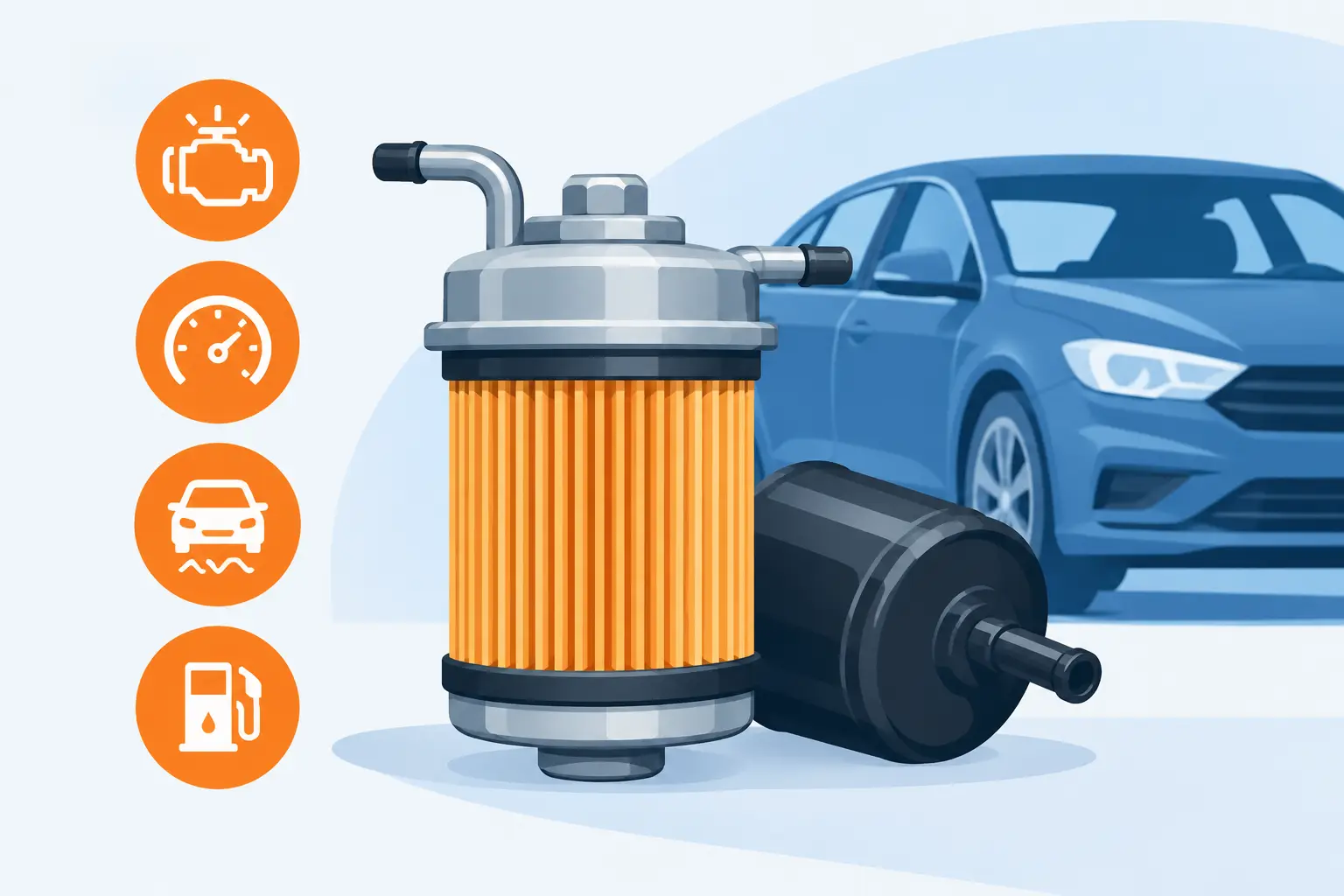
A fuel filter’s job is straightforward: stop rust, sediment, dirt, and other contaminants from reaching sensitive fuel-system components. When it becomes restricted, the fuel pump must work harder to maintain pressure, while the injectors may not receive the volume of fuel the engine demands. The result can range from a minor hesitation to a no-start condition.

What a Restricted Fuel Filter Does to Your Engine

Modern fuel-injected engines rely on accurate pressure and clean fuel delivery. At idle, a partially restricted filter may pass enough fuel for the engine to seem normal. The problem often becomes obvious during harder acceleration, hill climbs, towing, high-speed driving, or carrying a full load.

That is why a clogged fuel filter can be confused with a weak fuel pump, dirty injectors, a failing ignition coil, a mass airflow sensor issue, or even a transmission problem. Symptoms alone do not confirm the filter is at fault. A proper diagnosis matters, particularly on newer vehicles where the filter may be built into the fuel pump module inside the tank and may not have a separate scheduled replacement interval.

Fuel Filter Replacement Symptoms to Watch For

Hesitation or surging under acceleration

This is one of the most recognizable signs. You press the throttle and the engine pauses, stumbles, or surges before responding. Under demand, the engine needs more fuel. If the filter restricts flow, fuel pressure can drop at exactly the moment performance should increase.

The symptom may be intermittent at first. It can appear during a hard pass, when joining fast traffic, or when a motorcycle is climbing under load. Do not assume it is simply “bad gas” if it happens repeatedly.

Loss of power at higher speed or under load

A vehicle may idle smoothly and drive acceptably around town, then struggle at highway speed. Trucks, vans, marine engines, and equipment may show the same behavior when loaded or worked hard. This pattern points toward a supply issue because fuel demand rises as engine load rises.

A restricted air filter can also limit performance, but it affects airflow rather than fuel pressure. Both systems matter. Quality filtration protects the engine, but each filter has a different role and service requirement.

Hard starting or extended cranking

If the engine cranks longer than usual before starting, insufficient fuel pressure is one possible cause. A heavily restricted filter can contribute by reducing the fuel volume available to the injectors, especially after the vehicle has been sitting.

However, extended cranking can also come from a weak battery, worn spark plugs, a failing pump, leaking injectors, or a sensor fault. This is a good reason to test rather than replace parts at random.

Rough idle, misfires, or stalling

When fuel delivery becomes inconsistent, combustion can become inconsistent too. You may feel a rough idle, hear the engine stumble, notice misfire codes, or experience stalling when coming to a stop. In more severe cases, the engine may start and then die shortly afterward.

These issues are not exclusive to the fuel filter. Ignition and air leaks are common alternatives. Still, if rough running occurs alongside power loss and hard starts, fuel delivery should move higher on the diagnostic list.

Reduced fuel economy

A restricted filter does not always produce an immediate, dramatic drop in fuel economy. Yet an engine that struggles to meet demand can become less efficient, and drivers may compensate by applying more throttle. If fuel consumption has increased along with sluggish response, investigate the full fuel and air system.

A whining fuel pump or repeated pump failures

A fuel pump that works against excessive restriction may become louder. Some pumps make a faint hum normally, especially during priming, but a new or increasingly loud whine deserves attention. Restriction is not the only explanation, since a worn pump or wiring problem can make noise as well.

Ignoring a clogged filter can be expensive when it contributes to premature fuel-pump failure. Replacing a serviceable external filter is usually far less involved than replacing an in-tank pump module.

Why These Symptoms Happen

Fuel contamination can enter the system through aging tank components, corrosion, contaminated storage containers, poor-quality fuel handling, or debris introduced during repairs. In humid climates and equipment that sits for long periods, moisture-related contamination can be a particular concern. Diesel systems have their own risks, including water contamination and microbial growth.

Not every filter blocks gradually. A vehicle that has sat unused for months may develop symptoms soon after returning to service because old fuel deposits or tank sediment begin moving through the system. Off-road machines, marine equipment, and small engines are especially exposed when fuel storage practices are inconsistent.

The filter is designed to capture contamination before it reaches expensive components. Its restriction is therefore often a warning that the system needs attention, not merely an inconvenience to clear.

Do Not Diagnose by Symptom Alone

Before replacing a fuel filter, a qualified technician should check fuel pressure and, when appropriate, fuel volume and pressure retention. Scan-tool data, trouble codes, ignition performance, injector operation, and intake leaks may also need inspection.

This approach avoids two common mistakes. The first is replacing a filter when the real problem is a failing pump or electrical connection. The second is installing a new filter while leaving the source of contamination inside the tank, where it can restrict the new filter again.

For vehicles with a replaceable inline filter, inspect the service information for the correct interval and installation direction. Fuel systems remain pressurized after shutdown, so DIY replacement requires the right safety procedure, eye protection, ventilation, and strict control of ignition sources. If there is any fuel leak, stop immediately and correct it before driving.

For newer cars, the filter may be part of a non-serviceable in-tank assembly. In that case, replacing parts purely by mileage is rarely the right move. Follow the manufacturer’s maintenance schedule and investigate actual fuel-delivery symptoms with measured test results.

Prevention Starts With the Whole Filtration System

Use clean fuel from reputable stations, keep fuel containers clean, and avoid storing equipment with stale fuel for long periods. If your application uses a water separator, drain it at the specified interval. During any fuel-system repair, keep open lines and fittings protected from dirt.

Engine protection is a system, not a single part. Clean fuel protects pumps and injectors, while effective air and oil filtration helps reduce wear across the rest of the engine. For owners focused on long-term performance and service life, K&N Singapore supports that wider maintenance mindset with dependable filtration products designed for real driving and demanding use.

When your vehicle begins hesitating, losing power, or taking too long to start, treat the change as useful information. A timely fuel-system inspection can protect performance today and prevent a much larger repair tomorrow.

Posted on

Heavy Duty Air Filter Maintenance That Protects Power

Heavy Duty Air Filter Maintenance That Protects Power

A heavy-duty engine can tolerate long hours, high loads, and demanding terrain. What it cannot tolerate indefinitely is dirty intake air. Heavy duty air filter maintenance is a direct investment in airflow, engine protection, fuel-efficient operation, and dependable uptime – whether the equipment is a work truck, generator, industrial machine, marine engine, or off-road vehicle.

The goal is not simply to make a filter look clean. The goal is to keep contaminants out while supplying the engine with the air it needs. That distinction matters, especially for equipment operating around construction dust, unpaved roads, agricultural debris, humid marine conditions, or stop-and-go fleet routes.

Why Heavy Duty Air Filter Maintenance Matters

Every gallon of fuel burned requires a significant volume of air. That air carries dust, grit, soot, pollen, moisture, and fine debris depending on where the vehicle or equipment operates. The air filter is the first line of defense between those contaminants and precision engine components.

When a filter is overdue for service, restriction can increase. The engine may have to work harder to draw in air, potentially affecting throttle response, acceleration, and operating efficiency. More seriously, a damaged, improperly fitted, or poorly serviced filter can allow abrasive particles into the intake tract. Over time, those particles can contribute to wear on cylinders, pistons, rings, turbocharger components, and sensors.

For fleet operators, the cost is not limited to a replacement filter. Reduced productivity, unscheduled downtime, diagnostic labor, and premature engine wear can carry a far larger price. For enthusiasts, a neglected filter can also hold back the sharper response and performance gains expected from a properly maintained intake system.

Use Operating Conditions, Not Just the Calendar

A fixed mileage interval is useful, but it is not the complete answer for heavy-duty applications. A truck operating on clean highways has a very different intake-air environment from a loader working near loose aggregate or a pickup regularly traveling dusty job sites.

Inspect the filter and intake system more frequently when equipment operates in high-dust environments, follows other vehicles on unsealed roads, works extended idling shifts, or encounters oil mist and humidity. In these cases, waiting for a standard service interval may be too long.

At the same time, avoid servicing a filter solely because the surface looks dark. A loaded filter can still be functioning properly, and unnecessary cleaning can create risk if the media is handled roughly or reinstalled before it is fully dry. For equipment fitted with a restriction indicator, follow the indicator and the vehicle or engine manufacturer’s guidance. It provides a more useful measure than appearance alone.

Inspect the Whole Intake Path

An air filter does not work alone. During routine heavy duty air filter maintenance, inspect the airbox, housing cover, intake tube, clamps, seals, and any pre-cleaner components. A premium filter cannot protect an engine if unfiltered air can bypass it through a loose clamp or damaged gasket.

Look for cracked housings, flattened seals, missing fasteners, rubbed-through intake ducts, and dirt tracks around the filter’s sealing surface. Dirt on the clean side of the airbox is a warning sign. It may point to incorrect installation, a compromised seal, or damage that needs attention before the equipment returns to service.

Also check for leaves, nesting material, standing water, or heavy debris in the airbox. Removing loose debris carefully prevents it from entering the clean side during filter removal. Do not use high-pressure air near the filter media or blast debris toward the intake opening.

Signs That Service Should Move Up the Schedule

Pay closer attention when you notice any of the following:

  • A restriction indicator shows the filter has reached its service point.
  • Power delivery or throttle response feels reduced under load.
  • The airbox seal, filter frame, or intake duct shows visible damage.
  • The equipment has been operating in unusually dusty, smoky, or debris-heavy conditions.
  • Dirt is visible on the clean side of the intake housing.

These symptoms do not always mean the filter is the only issue. Turbo, fuel, sensor, and exhaust-system faults can produce similar performance complaints. But the intake path is a fast, practical place to begin inspection.

Cleaning Washable Oiled-Cotton Filters Correctly

Washable oiled-cotton filters offer a different maintenance model from disposable paper elements. Instead of throwing away the filter at every service interval, the filter can be cleaned, dried, and re-oiled for continued use when maintained correctly. This can reduce ongoing replacement waste while supporting high airflow and effective filtration.

The process requires patience. Remove the filter carefully and inspect it before cleaning. If the media is torn, the frame is cracked, or the sealing surface is damaged, cleaning is not the solution. Replace the filter.

Apply a cleaner designed for the filter media and allow it to loosen dirt as directed. Rinse using cool, low-pressure water from the clean side outward. This helps push contaminants back out of the media rather than deeper into it. Never use gasoline, solvents, steam, harsh degreasers, or a pressure washer. These can damage cotton media, adhesives, and sealing materials.

After rinsing, allow the filter to air-dry naturally. Heat guns, hair dryers, ovens, and compressed air can distort or damage the media. Re-oil only when the filter is completely dry, using the correct filter oil and applying it evenly across the pleats. The oil is part of the filtration system: it helps the cotton media capture fine contaminants while maintaining airflow.

More oil is not better. Over-oiling can lead to excess oil migrating into the intake system and may contaminate nearby sensors. Let the oil wick through the media, inspect for light or dry-looking areas, and apply only a small amount where needed. A correctly serviced filter should have even coverage, not a dripping or saturated appearance.

K&N filter cleaner and oil products are formulated for K&N washable filter media, helping owners maintain the filtration characteristics the filter was designed to deliver.

Disposable Elements Need Care Too

Not every heavy-duty application uses a washable filter, and disposable filters are often the correct choice for specific factory airbox designs and duty cycles. Their maintenance is simpler, but the same installation discipline applies.

Replace a disposable element when the restriction indicator, service schedule, or inspection calls for it. Do not try to wash a paper filter, and do not assume that blowing it out with compressed air restores its original filtration capability. Compressed air can create tiny tears, separate media fibers, or drive contaminants into the filter.

Before fitting a new element, wipe the airbox sealing area with a clean, lint-free cloth. Confirm that the filter sits squarely in the housing and that the cover closes without forcing it. A filter that is slightly misaligned can create a gap large enough for dirty air to bypass the media.

Avoid the Maintenance Mistakes That Cost Engines

The most common mistakes are easy to prevent: servicing too often based on appearance, ignoring a restriction indicator, using aggressive cleaning methods, over-oiling reusable media, and reinstalling a filter before it is dry. Another frequent issue is forgetting the airbox seal or failing to secure the cover evenly.

Keep service records for fleet vehicles and high-hour equipment. Record the date, operating hours or mileage, operating conditions, filter condition, and any restriction reading. Over several service cycles, this creates a realistic maintenance baseline for each application. A delivery truck in city traffic and an excavator at a dusty site should not necessarily follow the same filter schedule.

For performance intake systems, use the filter and maintenance products specified for that system. Fitment, filter dimensions, and airflow requirements vary by engine. Choosing by appearance alone can cause poor sealing, clearance issues, or incorrect sensor behavior.

Make Filter Service Part of Uptime Planning

The best time to discover a damaged air filter is during a planned inspection, not when an engine is down. Build intake checks into oil-service intervals, pre-trip inspections, or scheduled equipment walkarounds. Keep the right replacement filter or cleaning supplies on hand for high-use vehicles, particularly when work cannot wait for parts.

A clean, correctly installed air filter is a small component with an outsized effect on engine protection and performance. Treat it as part of the engine’s working system, not an afterthought, and every hour of heavy-duty operation has a better foundation for reliable power.

Posted on

Marine Engine Fuel Filter Care for Reliable Power

Marine Engine Fuel Filter Care for Reliable Power

A boat that runs cleanly at the dock but loses RPM offshore often has a fuel problem, not an engine problem. A marine engine fuel filter is a small service item with a major job: it keeps water, sediment, tank debris, and microbial contamination from reaching precision fuel-system components. On the water, where a breakdown can mean more than an inconvenient ride home, that protection is worth treating seriously.

What a Marine Engine Fuel Filter Actually Does

Marine fuel systems operate in a harsher environment than most road vehicles. Fuel tanks breathe through vents, humidity changes rapidly, and water can enter through contaminated fuel, condensation, damaged fill caps, or poor storage practices. Diesel fuel can also support microbial growth where water meets fuel. The result may be rust, sludge, loose debris, and water droplets moving toward the engine.

A filter captures solid contaminants before they reach the fuel pump, carburetor, injectors, or fuel rail. In many marine applications, a fuel-water separator adds another layer of defense by allowing water to collect in a clear bowl or drainable reservoir. The filter media then traps particles that could restrict fuel flow or damage close-tolerance components.

This is protection first, not a horsepower modification. But unrestricted, clean fuel delivery helps an engine produce the power it was designed to make. A clogged filter can cause hesitation, poor acceleration, surging, reduced top-end RPM, hard starting, and stalling under load. On a fishing boat, cruiser, or commercial vessel, those symptoms can quickly disrupt the day.

Filter Type and Micron Rating Must Match the System

Not every fuel filter belongs on every engine. The right choice depends on whether the engine is gasoline or diesel, its fuel-system design, manufacturer requirements, and whether a primary fuel-water separator is already installed.

The micron rating describes the approximate size of particles the filter is intended to capture. A lower micron number filters finer contamination, but it can also restrict flow sooner if the fuel supply is dirty. That trade-off matters. Fitting a very fine element where a higher-flow primary filter is required can create fuel starvation. Using a coarse filter where sensitive injectors need finer filtration can leave expensive parts exposed.

A common arrangement uses a larger-capacity primary separator between the tank and engine, followed by the engine manufacturer’s specified final filter. The primary unit catches water and larger debris before they reach the engine-mounted filter. This staged approach gives the system useful contaminant capacity without asking one small filter to do every job.

For modern gasoline EFI and diesel engines, follow the engine manufacturer’s filtration and micron specifications exactly. Fuel pressure, flow demand, and injector tolerances vary widely. A filter that physically fits may still be the wrong choice.

Gasoline and Diesel Have Different Risks

Gasoline systems are especially vulnerable to phase separation in ethanol-blended fuel. When excess water is absorbed, ethanol and water can separate from gasoline and form a corrosive layer that does not burn properly. A fuel-water separator can help detect water, but it cannot restore badly phase-separated fuel. If the fuel is compromised, the correct repair may involve draining the tank and cleaning the system.

Diesel engines face water contamination too, along with the risk of microbial growth during long storage periods. Water supports bacteria and fungi that create dark sludge, acids, and debris. Replacing filters without addressing contaminated fuel may only provide temporary relief. The tank, lines, and storage practices need attention as well.

Signs Your Fuel Filter Needs Attention

Do not wait for a complete no-start condition. Fuel restriction often becomes visible when the engine is asked to work harder, such as accelerating onto plane, running at high RPM, or pushing through current.

Watch for these symptoms, particularly if they appear after refueling or following a long layup:

  • Loss of power or RPM at higher throttle settings
  • Hesitation, stumbling, or surging under load
  • Hard starting or repeated stalling
  • A fuel-water separator bowl showing water, cloudiness, or debris
  • A vacuum gauge, if fitted, indicating increasing restriction

These signs do not automatically prove the filter is at fault. A failing fuel pump, blocked tank vent, damaged fuel line, ignition issue, or contaminated fuel can create similar behavior. Still, the filter and separator are logical first inspection points because they are designed to reveal and contain contamination.

How Often Should You Replace It?

There is no single calendar interval that suits every boat. Manufacturer service schedules come first, but filter condition also depends on fuel turnover, tank cleanliness, local humidity, storage duration, and operating hours.

For recreational boats, inspecting the separator before each outing and servicing it at least annually is a sensible baseline when consistent with the engine manual. Boats that run frequently, use older fuel tanks, travel long distances, or operate in humid coastal conditions may need shorter intervals. Commercial operators should build filter checks into their planned maintenance program and keep service records.

A clear-bowl separator makes visual checks easier, but a clean-looking bowl does not prove that the filter media is unrestricted. Fine contamination may not be obvious. Conversely, replacing an element at the first sign of discoloration is not always necessary if the manufacturer’s guidance and restriction readings indicate it remains serviceable. The best approach combines scheduled replacement with evidence from inspections and engine behavior.

Carry at least one correct spare filter element and the tools needed to fit it. For vessels traveling offshore or operating far from a marina, a spare can turn a potentially stranded day into a manageable repair. Keep the spare sealed, dry, and protected from damage.

Replacing a Marine Fuel Filter Without Creating New Problems

Fuel-system service requires care. Work in a ventilated area, eliminate ignition sources, and follow the engine manufacturer’s shutdown and depressurization procedures. Gasoline vapors are highly flammable, while diesel spills create slip hazards and can contaminate the bilge and waterway.

Before removing the old element, inspect the housing, seals, hoses, clamps, and bowl for corrosion, cracks, staining, or loose connections. A new filter will not solve an air leak on the suction side of a diesel system or a deteriorated fuel hose. Confirm fuel lines are approved for marine use and properly secured.

Install the correct replacement element and lubricate seals only as directed by the filter or engine manufacturer. Over-tightening can distort seals or damage plastic bowls and threads. After service, prime the system according to the engine procedure, check carefully for leaks, and run the engine long enough to confirm stable fuel delivery at varying RPM.

Diesel systems may require bleeding or priming to remove air after a filter change. Modern engines differ significantly in their procedures, so guessing can lead to a no-start situation or unnecessary cranking. Follow the service manual for that engine.

Better Fuel Practices Extend Filter Life

A good filter is not a substitute for clean fuel handling. Buy fuel from high-turnover suppliers, keep deck fills and caps clean, and avoid letting a tank sit partially full for long periods in humid conditions. A fuller tank leaves less air space for condensation, although storage guidance can vary by boat and fuel type.

Use a clean, dedicated fuel container when portable fueling is necessary. Do not assume a container that looks clean is free of water or sediment. If a separator repeatedly collects water or debris, investigate the source instead of simply changing elements more often. The problem may be a leaking fill cap, vent issue, contaminated fuel supply, deteriorating tank, or aging hose material.

For owners who maintain their own boats, the same mindset applies across the engine: correct fitment, quality filtration, and scheduled inspection protect performance. K&N Filters Singapore supports enthusiasts and equipment owners who expect dependable filtration choices and clear application guidance, whether the job involves marine equipment or another hard-working engine.

A fresh marine engine fuel filter will not make contaminated fuel safe or fix every running issue. What it can do is give clean fuel a clear path to the engine, protect costly components, and help keep your boat ready when the water is calling.