Posted on

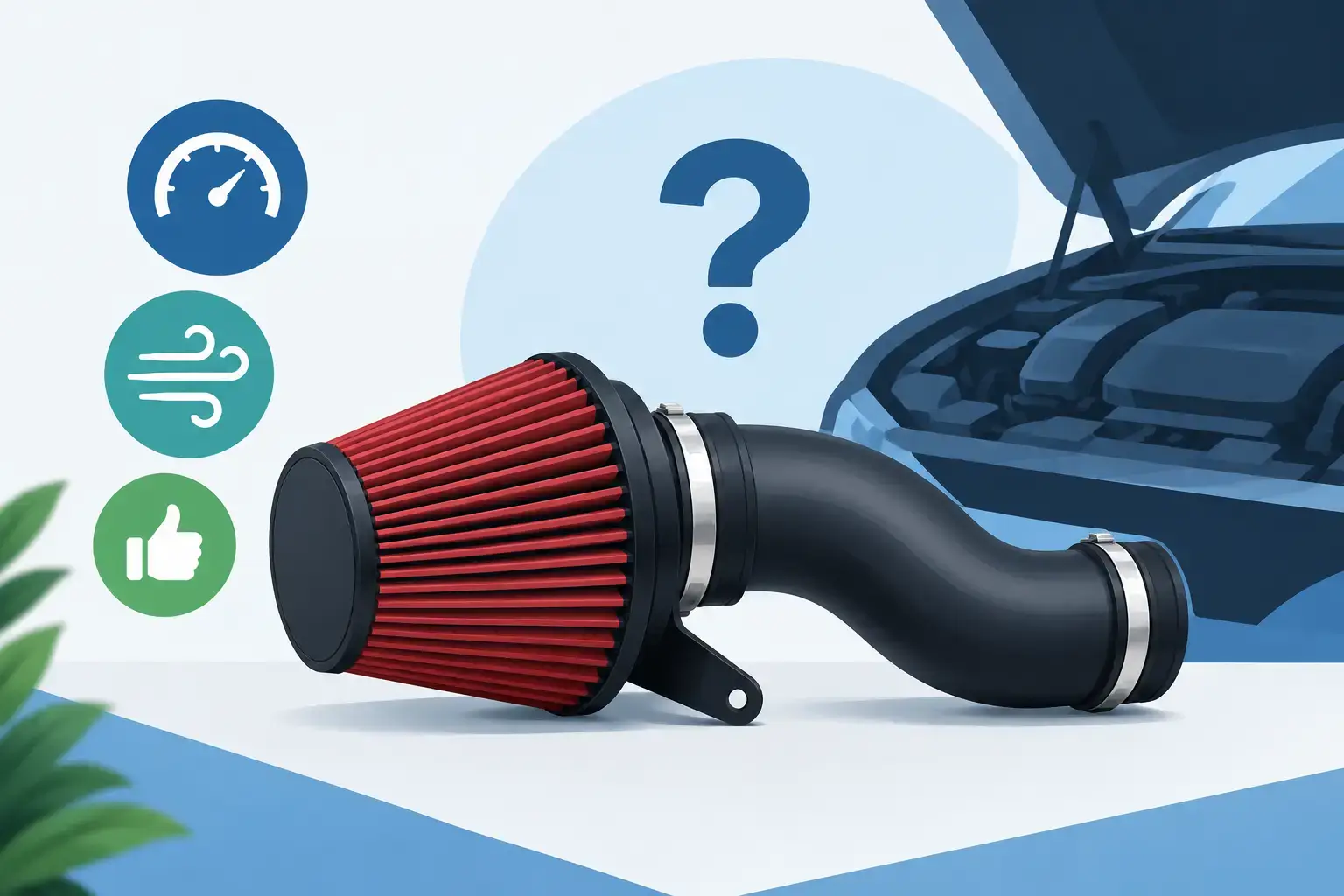
High Flow Intake System Review: Worth It?

High Flow Intake System Review: Worth It?

A restrictive factory airbox can make an otherwise responsive vehicle feel hesitant when you press the throttle. This high flow intake system review looks beyond the promise of louder induction sound and examines what a properly engineered intake can realistically deliver: improved airflow, dependable filtration, sharper response, and a reusable service path that suits long-term ownership.

For daily drivers, the right intake should improve the experience without creating new problems. For enthusiasts, it should support the engine’s airflow needs without compromising fitment, drivability, or protection. The difference comes down to design, vehicle application, and how well the system is installed and maintained.

What a High Flow Intake System Changes

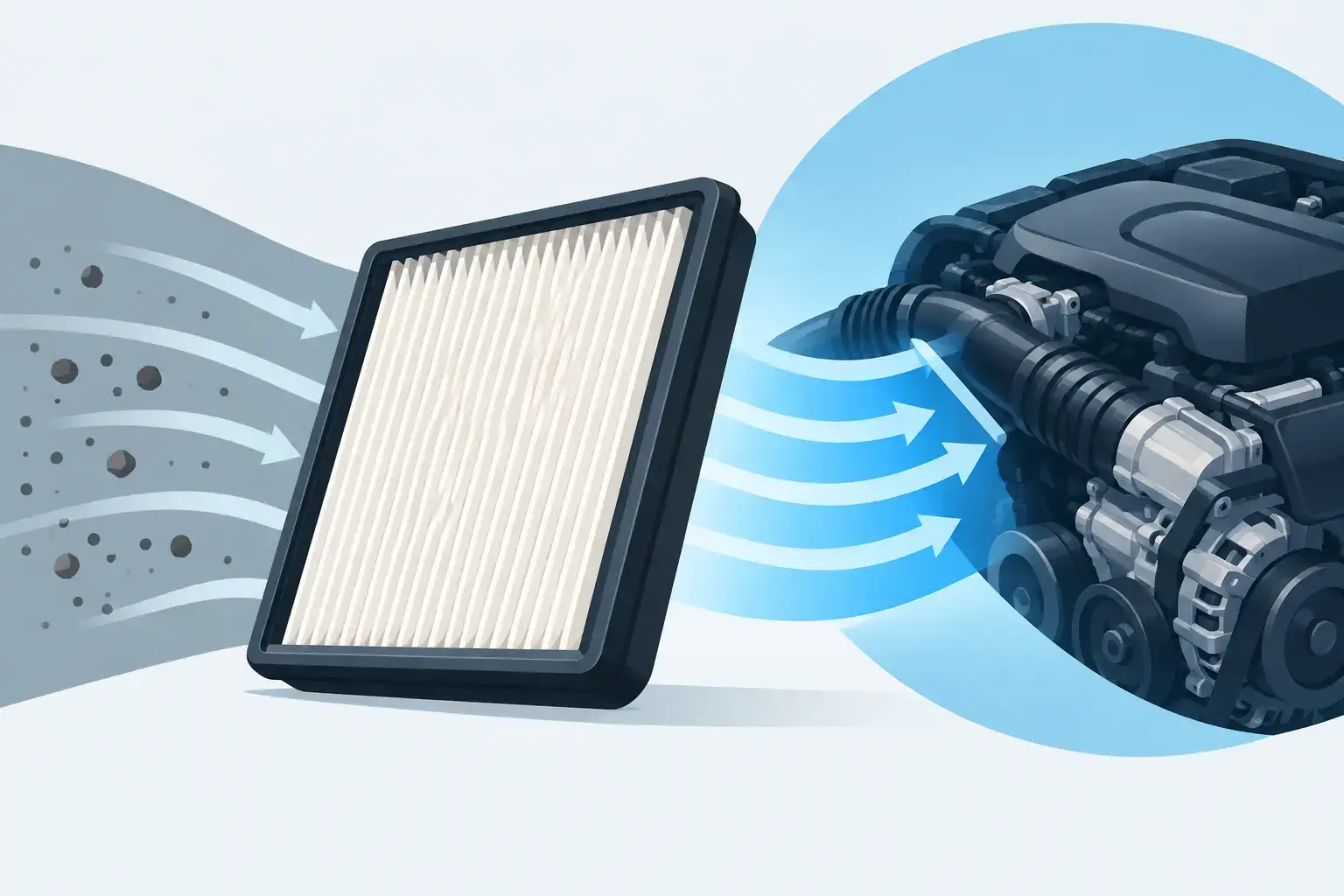
An intake system manages the air entering your engine. The factory system is designed around several priorities, including packaging, noise control, production cost, and broad operating conditions. It may be highly effective for standard use, but it can also include narrow tubing, restrictive airbox passages, and filter media with limited airflow potential.

A high flow intake system replaces or revises key parts of that path. Depending on the application, this can include a larger conical air filter, a redesigned intake tube, heat shielding, mounting hardware, and provisions for factory sensors and breather connections. The objective is simple: give the engine a less restrictive path to draw the air it needs.

That does not mean every vehicle will gain the same result. Naturally aspirated engines, turbocharged engines, trucks under load, motorcycles, and powersports equipment all respond differently. An intake is most valuable when the original system is a meaningful restriction or when the vehicle already has other supporting upgrades.

High Flow Intake System Review: The Gains That Matter

The most noticeable improvement for many owners is throttle response. When airflow reaches the engine with less restriction, the vehicle can feel more eager as the throttle opens. On a manual-transmission car, this may make rev matching and acceleration feel cleaner. On an automatic daily driver, it may reduce the soft, delayed feeling that some factory intake systems create.

Horsepower and torque gains are possible, but they should be viewed realistically. Published gains vary by vehicle, engine speed, ambient temperature, and test method. A well-designed system can produce measurable improvements, particularly at higher RPM where the engine demands more air. On some vehicles, the gain may be modest but still worthwhile because it is paired with stronger intake sound and improved responsiveness.

Turbocharged engines can be especially satisfying with a high flow intake. The system may make turbo spool and bypass-valve sounds more audible while reducing restriction ahead of the compressor. Still, an intake is not a substitute for proper tuning, intercooling, exhaust work, or maintenance when those are needed. It is one part of an airflow package, not a miracle part.

Sound is also a real part of the ownership experience. An enclosed intake with a heat shield usually keeps the sound more controlled, while an open-filter design can produce a more aggressive induction note. Neither is automatically better. Commuters may prefer a quieter design that preserves factory-like refinement. Drivers who enjoy hearing the engine work may want the more pronounced intake sound of an open system.

Airflow Must Not Come at the Expense of Filtration

The best intake is not simply the one with the largest filter or loudest sound. It must protect the engine from damaging contaminants. Dust, fine debris, and road grime can accelerate wear when they pass through poor-quality filtration media.

Oiled cotton filter media is engineered to balance airflow with contaminant capture. The filter’s multiple cotton gauze layers and oil treatment help trap particles while allowing air to move efficiently through the media. Because the element is washable and reusable, owners can service it rather than repeatedly discard and replace a paper filter.

That value becomes more meaningful over years of driving, especially for vehicles used in dusty environments, heavy traffic, construction areas, rural roads, or off-road conditions. Reusability can reduce replacement-filter waste, but it only works when maintenance is done correctly. Over-oiling a filter can contaminate an airflow sensor, while running an under-oiled filter reduces its intended filtration performance. Use the correct cleaning and oiling procedure for the filter type.

Fitment Is More Important Than Universal Appeal

A vehicle-specific intake is generally the smarter choice for most owners. It is designed around the engine bay, factory sensor locations, hood clearance, mounting points, and expected airflow characteristics of a particular application. That translates into a cleaner installation and less guesswork.

Universal intake kits can be useful for custom builds, engine swaps, race vehicles, or equipment with limited aftermarket support. However, they demand more care. The wrong tube diameter, poorly placed sensor, loose coupler, or exposed filter can create check-engine lights, unstable idle, water exposure, or hot-air ingestion.

Before ordering, confirm the exact year, make, model, engine, trim, and any relevant drivetrain details. A mid-year production change, different engine code, or factory turbo configuration can affect compatibility. This is also the moment to consider local inspection rules, warranty considerations, and whether your vehicle uses an enclosed engine bay that benefits from a heat-shielded intake design.

Heat Management Separates Good Systems From Basic Kits

Cooler incoming air is denser, which can support combustion efficiency. That is why many intake systems use a heat shield, factory fresh-air ducting, or a sealed airbox section to isolate the filter from engine-bay heat.

But heat management deserves a practical perspective. At low speeds or in stop-and-go traffic, every engine bay absorbs heat. A heat shield cannot eliminate that entirely. Once the vehicle is moving and fresh air passes through the intake area, a properly designed system should recover quickly and deliver a more consistent air supply.

A shiny metal pipe alone is not proof of performance. Tube shape, internal surface quality, diameter transitions, filter placement, and sensor compatibility all matter. The goal is stable, efficient airflow, not just a larger-looking component under the hood.

Installation: Straightforward, but Do Not Rush It

Most direct-fit intake systems are suitable for capable DIY owners using basic hand tools. Set aside enough time to work carefully, especially if the vehicle has delicate clips, a mass airflow sensor, or tight engine-bay access. Read the instructions before removing the factory assembly, and keep factory parts organized in case you ever need to return the vehicle to stock.

During installation, inspect each coupler and clamp. Connections should be fully seated, correctly aligned, and tight without being overtightened. Confirm that wiring, vacuum lines, and breather hoses are routed without tension or rubbing. If the intake includes a heat shield, make sure it is secured and does not contact moving or hot components.

After installation, start the engine and listen for air leaks or irregular idle. A whistle, fluctuating idle, or check-engine light may point to an unsealed connection or sensor issue. Correct the cause rather than assuming the vehicle will adapt on its own.

Maintenance Is Part of the Performance Equation

A reusable intake filter is designed for long service life, not zero service. Inspection intervals depend on where and how the vehicle is used. A highway-driven passenger car may go a long time between cleanings, while a motorcycle, truck, ATV, or vehicle used on dusty roads may need more frequent attention.

Do not clean the filter simply because it looks slightly darker than new. Follow the manufacturer’s service guidance and assess the operating environment. When cleaning is due, use the approved cleaner, rinse gently from the clean side outward when instructed, allow the filter to dry completely, then apply the correct amount of filter oil evenly. Never use compressed air, harsh solvents, or excessive oil.

This is where a reputable, application-specific system earns its keep. K&N has built its high-flow filtration reputation over more than 50 years around washable, reusable oiled-cotton technology designed for both performance and protection.

Is a High Flow Intake Right for Your Vehicle?

A high flow intake system makes sense when you want a more responsive driving feel, a stronger induction note, reusable filtration, and a cleaner-looking engine bay. It is especially appealing for owners who plan to keep their vehicle and value serviceable parts over repeated disposable-filter purchases.

It may not be the first upgrade to choose if the vehicle has unresolved maintenance issues, a dirty throttle body, worn spark plugs, boost leaks, or neglected factory filters. Restore the engine to proper operating condition first. The intake will perform best when the rest of the vehicle is healthy.

Choose a system engineered for your exact application, install it with care, and service the filter correctly. Then each press of the throttle becomes a more direct reminder that better airflow is not just a specification on a box – it is something you can feel from the driver’s seat.

Posted on

Why Engine Air Filters Matter to Performance

Why Engine Air Filters Matter to Performance

A filter is easy to overlook because it sits inside an air box, out of sight and usually out of mind. But why engine air filters matter becomes clear every time your vehicle pulls into traffic, climbs under load, or runs for hours in heat and dust. Your engine needs a large volume of clean air to make power efficiently. The air filter is the component responsible for supplying it without allowing damaging contaminants into the intake system.

For a daily-driven car, a touring motorcycle, a work truck, or a small engine, filtration is not just a maintenance item. It affects engine protection, throttle response, operating consistency, and the long-term cost of ownership. The right filter has to strike a disciplined balance: capture dirt effectively while allowing the engine to breathe.

Why Engine Air Filters Matter for Protection and Power

Every combustion engine is effectively an air pump. It draws ambient air through the intake, combines that air with fuel, and converts the combustion event into usable torque. More importantly, it must do this repeatedly under changing temperatures, engine speeds, and road conditions.

The problem is that ambient air is never truly clean. It can carry dust, grit, pollen, tire debris, soot, and fine particles that are too small to notice but large enough to cause trouble inside an engine. If contaminants bypass the filter, they can enter the intake tract and cylinders. Over time, abrasive particles may contribute to wear on cylinder walls, piston rings, valves, and other precision surfaces.

A quality engine air filter is the first line of defense. Its job is to trap contaminants before they reach components that depend on clean airflow. That protection matters whether your vehicle spends its life in city traffic, on expressways, near construction zones, or on unpaved trails. The dirtier the operating environment, the more attention filtration deserves.

At the same time, an engine cannot perform at its best if airflow is excessively restricted. When a filter becomes heavily loaded with dirt, the engine may need to work harder to draw air through it. Depending on the vehicle and its engine-management system, that can show up as softer throttle response, less eager acceleration, or reduced performance when carrying passengers, cargo, or towing weight.

Clean Air Supports Consistent Combustion

Modern engines use sensors and electronic controls to adjust fuel delivery and ignition timing. These systems are highly capable, but they still rely on a stable supply of intake air. A neglected filter can disrupt that supply and make it harder for the engine to operate as intended.

This does not mean every old filter causes an immediate, dramatic loss of horsepower. On many modern vehicles, the difference can be gradual enough that drivers do not notice until they install a fresh filter. The benefit is often consistency: cleaner airflow, more predictable response, and the confidence that the engine is receiving the air it was designed to use.

For performance-minded owners, airflow capacity becomes even more relevant. An engine operating at higher rpm demands more air. Intake modifications, tuning, exhaust upgrades, and spirited driving can all increase the value of an intake system designed to flow efficiently while maintaining effective filtration. A high-flow filter is not a magic fix for every vehicle, but it can be a meaningful part of a well-matched performance setup.

The Trade-Off Is Filtration Efficiency Versus Restriction

Not all filters use the same media or construction. Standard disposable filters commonly use paper-based media designed for routine replacement. They can provide effective filtration and may be the right choice for owners who prefer a simple replace-and-discard service schedule.

Reusable oiled-cotton filters approach the job differently. Multiple layers of cotton gauze, supported by wire mesh and treated with the correct amount of filter oil, are designed to capture contaminants while supporting strong airflow. When properly maintained, they can be washed, re-oiled, and returned to service rather than thrown away after a single use.

The key phrase is properly maintained. Too little oil can reduce the media’s ability to capture fine contaminants. Too much oil can create avoidable issues, particularly on vehicles with sensitive mass airflow sensors. Cleaning with the appropriate cleaner, allowing the filter to dry fully, and applying oil evenly are not optional steps. They are part of preserving the filter’s intended performance.

A Dirty Filter Does Not Always Look Obvious

Many owners wait until a filter looks black before checking it. Visual inspection is useful, but appearance alone is not always a complete test. Fine dust can load a filter without creating a dramatic surface change, and some filters naturally darken as they collect contaminants.

Follow the vehicle manufacturer’s maintenance schedule as a baseline, then adjust based on how and where you drive. A commuter that stays on clean paved roads may have different needs than a pickup used around job sites, a motorcycle ridden in dusty conditions, or an ATV that regularly sees trails. Heavy traffic, road construction, seasonal haze, and frequent stop-and-go operation can all justify more frequent inspections.

Pay attention to changes in the vehicle as well. Sluggish acceleration, a less responsive throttle, an unusual intake sound, reduced fuel economy, or a visibly damaged filter are all reasons to inspect the air filter and air box. These symptoms can have other causes, so a filter check should be part of diagnosis rather than an automatic conclusion.

Check the Whole Intake Path

The filter is only as effective as the system around it. A cracked air box, loose clamp, damaged intake tube, or poorly seated filter can allow unfiltered air to enter downstream of the filter. That defeats the purpose of even the best filter media.

During inspection, make sure the filter is seated correctly and the air-box cover closes evenly. Look for torn seals, warped edges, broken clips, and debris inside the clean side of the intake housing. If dirt is present after the filter, find the source before installing a replacement or servicing a reusable element.

For vehicles using an aftermarket intake, correct fitment matters just as much. A component engineered for a specific vehicle application is more likely to provide proper sealing, sensor compatibility, and hood-clearance considerations. Buying by year, make, model, engine, and submodel is worth the extra minute.

Reusable Filters Can Reduce Long-Term Waste

Disposable filters are convenient, but their repeated replacement creates an ongoing stream of waste. For owners who keep a vehicle for years, a washable and reusable filter can reduce the number of used filters sent to landfills while also reducing repeat replacement purchases.

That value grows with vehicle ownership. A reusable filter can make particular sense for enthusiasts, high-mileage drivers, fleet operators, and owners of motorcycles, powersports equipment, marine engines, and work equipment that require regular attention. Rather than treating the filter as a recurring discard item, you maintain it as a durable component.

There is a practical trade-off. Reusable filters require time, cleaning supplies, and proper technique. If you need the vehicle immediately, the cleaning and drying process may not suit your schedule. Some owners keep a second serviced filter available, while others prefer the convenience of a disposable replacement. The best choice depends on your maintenance habits as much as your vehicle.

Choosing the Right Engine Air Filter

Start with fitment, not assumptions. Two engines in the same model year can use different filter sizes, shapes, and intake configurations. Verify the exact application before ordering, especially if the vehicle has a turbocharged engine, hybrid powertrain, special trim, or previous aftermarket modifications.

Next, think about your ownership goal. If you want a straightforward factory-style replacement, prioritize proper sealing and dependable contaminant protection. If you are looking for a reusable option with high-flow oiled-cotton media, choose one designed specifically for your application and commit to servicing it correctly. If your goal is a more comprehensive airflow upgrade, an engineered intake system may be more appropriate than changing the filter alone.

K&N has spent more than 50 years developing washable, reusable filtration and intake solutions for drivers who want durable engine protection and performance-focused airflow. The right product is not necessarily the most aggressive-looking option. It is the one that fits your vehicle, your environment, and the way you use it.

A clean, correctly fitted air filter is a small component with a large responsibility. Check it before it becomes an afterthought, service it the right way, and let your engine breathe through protection built for the miles ahead.

Posted on

Do Air Filters Increase Mileage? The Real Answer

Do Air Filters Increase Mileage? The Real Answer

A clogged factory filter is not an automatic fuel-economy disaster, and a performance filter is not a magic route to more miles per gallon. So, do air filters increase mileage? Sometimes, but the honest answer depends on the condition of the existing filter, the vehicle’s engine management, and how the vehicle is driven.

For most modern fuel-injected cars, trucks, and motorcycles, replacing a reasonably clean filter with a high-flow unit will not create a dramatic MPG jump. What it can do is help the engine breathe with less restriction while continuing to protect it from harmful contaminants. That matters most when the original filter is dirty, undersized for the application, or when the vehicle is regularly operated under demanding conditions.

Do Air Filters Increase Mileage on Modern Vehicles?

Modern engines use electronic fuel injection, oxygen sensors, mass airflow sensors, and engine control modules to adjust fueling in real time. When airflow changes, the system usually compensates to maintain the correct air-fuel ratio. This is why a clean air filter alone rarely produces a large, consistently measurable fuel-economy gain in a modern vehicle.

A heavily restricted filter is different. If it limits airflow enough to affect engine performance, replacing it can restore normal operation. The driver may notice crisper throttle response, more consistent acceleration, and potentially improved fuel economy compared with running the vehicle on a neglected filter. In this case, the gain comes from correcting a problem, not from creating free fuel economy.

Older carbureted vehicles can react differently because their fuel systems are less adaptive. Restriction at the intake may affect the mixture more directly, so a fresh filter can have a more noticeable impact. Still, the right expectation is restored efficiency, not a guaranteed MPG transformation.

Why Airflow Can Affect Fuel Use

An engine needs a precise balance of clean air and fuel. The air filter’s job is to prevent dust, grit, and debris from reaching sensitive engine components while allowing sufficient airflow for combustion. If a filter becomes severely loaded with contaminants, the engine has to work harder to draw air through it, particularly at higher RPM and under acceleration.

Less intake restriction can improve the engine’s ability to move air. Under the right conditions, that can support stronger horsepower, torque, and throttle response. But fuel economy is influenced by much more than intake airflow. Vehicle weight, tire pressure, traffic, road grade, fuel quality, idling time, maintenance condition, and driver inputs all play a role.

That final factor is often overlooked. A vehicle that feels more responsive after an intake upgrade can tempt a driver to accelerate harder. If the extra performance is used often, fuel consumption can rise even though the intake itself flows more efficiently. A high-flow filter can support efficiency, but it cannot overcome an aggressive right foot.

When a New Filter Is Most Likely to Help

The strongest case for an air-filter-related mileage improvement is a vehicle with a genuinely dirty or damaged filter. A filter that has been driven far beyond its service interval, used in dusty worksites, or exposed to heavy debris may restrict airflow more than intended. Replacing it with the correct filter restores the intake system to proper working condition.

Drivers who operate in stop-and-go traffic, on unpaved roads, around construction areas, or in dusty industrial environments should pay closer attention to filter condition. The same applies to motorcycles, ATVs, heavy-duty equipment, and small engines, where the operating environment can load a filter quickly.

A washable, reusable high-flow filter may also provide a long-term ownership advantage. Rather than repeatedly purchasing and discarding disposable filters, you can clean and re-oil the filter according to its maintenance instructions. Over the life of the vehicle, that can reduce replacement waste and lower the cost of routine filter changes.

The key word is correctly. A reusable filter must be cleaned, dried, and oiled using the recommended process. An improperly serviced filter can cause problems that erase any potential benefit.

High-Flow Filters: Mileage Benefit or Performance Benefit?

A high-flow replacement filter is primarily a performance and service-life upgrade, not a fuel-economy promise. Its value is in balancing strong filtration with reduced restriction compared with many conventional disposable filters. On a healthy vehicle, the biggest changes may be improved intake sound, sharper response, and better airflow at higher engine speeds.

At steady highway speeds, most passenger vehicles are not demanding maximum intake airflow. Aerodynamic drag and rolling resistance have a much greater influence on fuel use. That means a high-flow filter may not move the needle much during relaxed cruising.

During hard acceleration, towing, spirited riding, or high-load work, airflow demand rises. This is where a less restrictive intake path can be more relevant. If your priority is stronger acceleration or maximizing the value of other airflow modifications, a high-flow filter makes more sense than buying one solely to chase MPG.

K&N high-flow air filters use washable, reusable oiled cotton media designed to capture contaminants while supporting efficient airflow. For owners who keep their vehicles for years, that combination of protection, serviceability, and reduced disposable-filter waste can be more meaningful than a single MPG claim.

A Filter Will Not Fix Other Mileage Problems

It is easy to blame the air filter when fuel economy drops, but many issues are more likely culprits. A check-engine light, failing oxygen sensor, worn spark plugs, underinflated tires, dragging brakes, dirty fuel injectors, weak ignition components, or an engine that never reaches operating temperature can all hurt mileage.

A dirty mass airflow sensor can also create drivability and fueling issues. If the sensor is part of the intake system, inspect it carefully during service and follow the vehicle manufacturer’s procedure. Do not use harsh cleaners or touch delicate sensing elements.

For turbocharged and supercharged applications, inspect the full intake tract as well. Loose clamps, cracked hoses, and boost leaks can reduce performance and affect fuel use. Installing a fresh filter without addressing an air leak will not deliver the result you expect.

Choosing the Right Air Filter for Your Vehicle

Fitment comes first. An air filter must seal correctly in the factory airbox or intake system. A filter with the wrong dimensions, damaged sealing surfaces, or an incorrect flange can allow unfiltered air into the engine. That risk is never worth a perceived airflow gain.

Next, match the filter to how you use the vehicle. A daily commuter may benefit most from a direct-fit replacement that provides dependable filtration and reusable convenience. A performance build may benefit from a complete intake system engineered for that specific vehicle. Off-road machines, motorcycles, marine engines, and work equipment need a solution that considers their exposure to dust, water, vibration, and sustained load.

Also follow the service interval based on real conditions, not habit alone. Inspect more often in dusty environments, but do not clean a reusable filter before it actually needs service. Excessive cleaning or over-oiling is unnecessary and can shorten the time between maintenance cycles.

How to Get Better Mileage Beyond the Filter

Think of the air filter as one part of a complete maintenance strategy. Keep tires inflated to the vehicle manufacturer’s recommended pressure, use the specified engine oil, address warning lights promptly, and avoid carrying unnecessary weight. Smooth acceleration and steady speeds usually make a bigger difference at the fuel pump than any single intake component.

If your existing filter is visibly dirty or overdue for replacement, servicing it is a practical first step. If you want reusable filtration, dependable engine protection, and a more responsive intake experience, choose a correctly fitted high-flow filter and maintain it properly. The best result is not a promised MPG number – it is an engine that gets clean air, performs as intended, and stays ready for every mile ahead.

Posted on

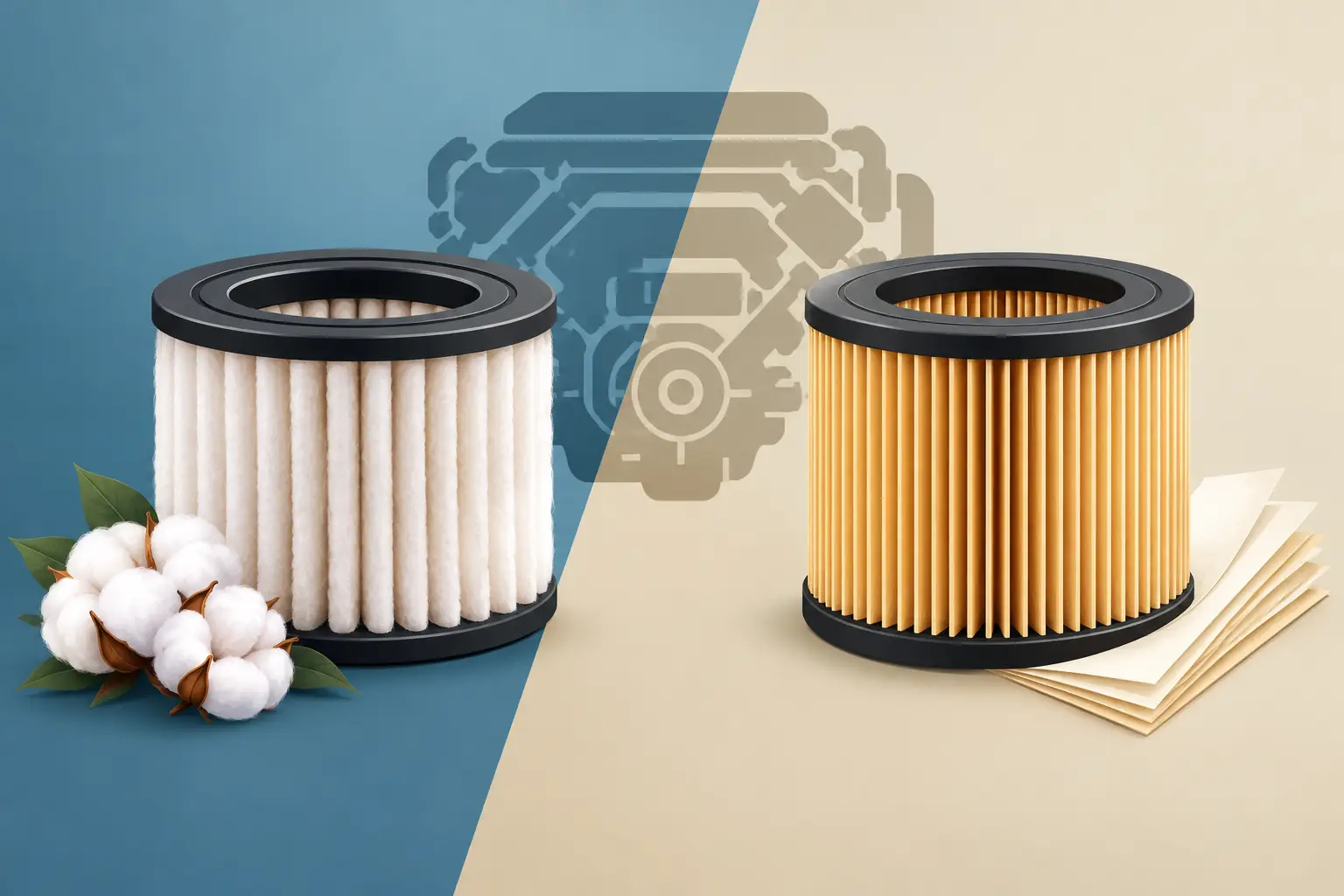
Cotton Versus Paper Filters: Which Fits Your Engine?

Cotton Versus Paper Filters: Which Fits Your Engine?

A clogged, restrictive air filter can make an otherwise healthy engine feel less responsive. Yet the replacement choice is not as simple as picking the lowest-priced filter on the shelf. In the cotton versus paper filters discussion, the better option depends on how you use your vehicle, the conditions it faces, and whether you value a washable performance component or a straightforward disposable replacement.

For daily drivers, weekend builds, motorcycles, trucks, and equipment that operate in demanding conditions, air filtration is a working part of engine protection. The filter must stop harmful debris before it reaches the intake tract while allowing the engine to draw the air it needs. That balance affects service life, maintenance, waste, and potentially the way a vehicle responds under acceleration.

Cotton Versus Paper Filters: The Core Difference

Most factory-style engine air filters use pleated paper media. The media is typically folded into a large surface area, fitted into a rubber or polyurethane frame, and designed for replacement when it becomes loaded with dirt. Paper filters are familiar, widely available, and require no cleaning procedure. Remove the old filter, install a new one, and discard the used element.

Washable cotton filters use layers of cotton gauze supported by wire mesh. In an oiled-cotton design, a measured filter oil treatment helps the media capture contaminants as air passes through. Rather than being thrown away at a scheduled interval, the filter can be cleaned, dried, re-oiled, and returned to service.

Neither design is automatically right for every owner. A paper filter favors simple, low-involvement maintenance. A quality washable cotton filter favors long-term reuse, serviceability, and high-flow performance when it is properly maintained.

Airflow and Engine Response

An engine is an air pump. It needs air to combine with fuel, and restrictions anywhere in the intake path can limit the system’s ability to supply that air efficiently. The air filter is only one part of that path, alongside the airbox, intake tube, throttle body, sensors, and engine calibration. Installing a filter alone will not transform every vehicle into a race car.

Still, filter media design matters. Oiled cotton gauze is engineered to provide a high-flow path while capturing contaminants. On vehicles with a restrictive or dirty factory filter, improving intake airflow may support sharper throttle response and, depending on the application, horsepower and torque gains. The result is often most noticeable when a high-flow filter is paired with an intake system designed to reduce bottlenecks throughout the tract.

Paper media can also flow very well when new and correctly sized for the application. Its main limitation is that it is not intended to be restored after it becomes loaded. As dirt accumulates, airflow can decline and replacement becomes the practical solution.

The real comparison is not new paper against a neglected cotton filter. It is a correctly fitted, clean filter of either type against the operating needs of a specific engine. A washable filter needs cleaning at the right interval to continue delivering its intended airflow.

Do not judge a filter by appearance alone

A filter that looks dusty is not necessarily due for service, especially if it has only collected light surface debris. Conversely, a filter can be overdue for attention even if it does not look dramatically dirty. Follow the vehicle and filter manufacturer’s service guidance, then shorten the inspection interval when driving in construction zones, on unpaved roads, in agricultural areas, or through other high-dust environments.

Filtration and Engine Protection

High airflow is valuable only when it comes with effective contaminant control. Fine dust and abrasive particles entering the intake can contribute to wear over time. This is particularly relevant for vehicles used in tropical rain, urban construction corridors, off-road trails, worksites, and heavy-duty applications where the intake sees more than ordinary road dust.

Paper filters trap particles within their dense, pleated media. They are designed as a one-use component, so the media remains undisturbed until replacement. For owners who want an uncomplicated, no-cleaning solution, this is a sensible advantage.

Oiled cotton filters capture contaminants through multiple layers of cotton gauze and the tackiness of the filter oil. The oil application is part of the filtration system, not a cosmetic step. Under-oiling may reduce the media’s intended ability to retain fine contaminants. Over-oiling can create its own problems, including excess oil migrating into the intake. Use the correct cleaning and oiling products, apply oil evenly, and allow it to wick through the media before reinstalling the filter.

Fitment is equally important. Even excellent filter media cannot protect an engine if the filter does not seal correctly in the airbox. Confirm the exact vehicle, engine, and model-year application, inspect the airbox for debris, and make sure the filter’s gasket seats fully before closing the housing.

Cost, Service Life, and Waste

A disposable paper filter usually has a lower upfront price. For drivers who replace filters at a workshop during regular servicing and do not plan to keep the vehicle long term, that convenience can make paper the practical choice.

A washable cotton filter costs more initially, but it can be reused for the life of the vehicle when maintained according to its instructions. Over years of ownership, that can reduce repeat filter purchases. It also means fewer used filter elements going into the waste stream, an ownership benefit that matters when vehicles and equipment are serviced frequently.

The value equation changes with mileage and conditions. A commuter who drives limited annual miles may take years to recover the initial cost through avoided replacements. A high-mileage driver, fleet operator, rider, or off-road enthusiast who services filters regularly may see the long-term value sooner.

Maintenance Is the Deciding Factor

The biggest trade-off in cotton versus paper filters is owner involvement. A paper filter asks almost nothing beyond periodic inspection and replacement. A reusable cotton filter rewards proper maintenance but is not a fit-and-forget component.

Cleaning should be done with a dedicated filter cleaner rather than harsh solvents, gasoline, compressed air, or improvised detergents. Those methods can damage the media, weaken the adhesive, or push dirt deeper into the filter. Rinse gently as directed, let the filter air-dry completely, then apply the specified filter oil in a controlled amount.

Do not reinstall a wet filter or use heat to speed the drying process. Also, do not clean simply because the filter has changed color. Service it based on inspection and operating conditions. For vehicles used on dusty trails, in commercial environments, or near active construction, checking more often is smart preventive maintenance.

When Paper Filters Make Sense

Paper remains a strong option for stock vehicles operated mainly on paved roads, particularly when the owner prioritizes quick replacement and minimal hands-on service. It can also suit lease vehicles, infrequently used vehicles, or applications where following a simple factory replacement schedule is the main goal.

Choose a quality filter that matches the original dimensions and seals properly. The lowest-cost option is not always the best value if the frame fit is poor or the media construction is inconsistent.

When a Washable Cotton Filter Makes Sense

A washable oiled-cotton filter is a compelling choice for owners who plan to keep their vehicle, appreciate DIY maintenance, or want a reusable component designed around high airflow and engine protection. It is especially relevant for enthusiasts improving an intake system, riders who service their own motorcycles, and operators who want to reduce the recurring cost and waste of disposable filters.

K&N’s High-Flow Air Filter platform is built around this approach: washable, reusable oiled-cotton media engineered for specific applications. The key is to select the correct part for the vehicle and commit to proper cleaning and oiling when service is due.

Make the Choice for Your Actual Driving

Start with the vehicle’s use case, not a blanket claim that one filter material wins every time. Consider how long you will own the vehicle, whether you are comfortable servicing a reusable filter, how dusty your routes are, and whether the intake system is stock or upgraded. Then choose the filter that delivers the protection, airflow, and maintenance routine you will actually follow.

A well-fitted, properly serviced air filter is one of the simplest ways to support the engine you already own. Treat it as a performance and protection component, not just another scheduled replacement item.

Posted on

Filter Replacement Intervals That Protect Engines

Filter Replacement Intervals That Protect Engines

A filter can look dirty long before it stops doing its job, and it can look acceptable while airflow or contaminant control is already compromised. That is why filter replacement intervals should never be treated as one universal mileage number. The right schedule depends on the filter’s job, the vehicle or equipment application, the filter media, and the conditions it sees every day.

For a commuter car in mostly paved urban traffic, a filter may have a very different service life than one fitted to a motorcycle, work truck, ATV, or industrial engine operating around dust, construction sites, unsealed roads, or humid stop-and-go conditions. A smart maintenance plan protects airflow, supports engine life, and prevents spending money on parts before they are actually needed.

Why Filter Replacement Intervals Vary

Filters do not all face the same contaminants or operate under the same pressure, temperature, and airflow demands. An engine air filter manages incoming air before it reaches the combustion process. A cabin air filter improves the quality of air entering the passenger compartment. An oil filter captures particles circulating in engine oil. Each needs its own inspection and service approach.

The manufacturer’s maintenance schedule is the starting point, especially for vehicles under warranty or equipment with strict service requirements. But it is not the final word. Published intervals are usually based on average use. Severe service can shorten them considerably. Frequent short trips, heavy traffic, towing, off-road riding, construction dust, agricultural work, and high annual mileage all increase the load placed on filters.

The opposite can also be true. Replacing a filter merely because a calendar date arrives may waste a component that still has useful service life. This matters particularly with washable, reusable air filters, which are designed to be cleaned and re-oiled rather than discarded at every service.

Engine Air Filter Service: Inspect Before You Replace

An engine air filter should be inspected at regular service intervals and more often in dusty environments. There is no reliable rule that says every dirty-looking filter must be replaced immediately. As a filter collects particles, it may darken naturally. What matters is whether the media is damaged, heavily restricted, improperly sealed, or due for cleaning according to its specific product instructions.

A disposable paper filter is replaced when it reaches the vehicle manufacturer’s interval, shows obvious loading or damage, or is used under conditions that call for earlier service. Do not try to wash a conventional paper element unless its manufacturer specifically says it is washable. Water, compressed air, or aggressive brushing can tear the media or distort it, creating a path for unfiltered air.

A reusable oiled-cotton air filter follows a different ownership model. Instead of regularly adding another disposable filter to the bin, inspect the media and clean it when dirt buildup across the surface calls for service. Proper cleaning solution, a controlled rinse, complete drying, and the correct amount of filter oil are essential. Too little oil can reduce filtration effectiveness; too much can affect airflow measurement components on some vehicles.

K&N reusable filters are engineered to provide high airflow with effective filtration when serviced correctly. For owners who keep a vehicle for years, that can mean fewer replacement purchases and less filter waste, without giving up the protection an engine needs.

Signs Your Air Filter Needs Attention

Mileage alone does not tell the full story. Look for a visibly loaded filter surface, physical tears, loose sealing material, a damaged frame, or dirt on the clean side of the filter. On a vehicle with a serviceable reusable filter, an evenly dirty appearance is usually a prompt to inspect and clean, not a reason to guess at replacement.

A noticeable loss of response or acceleration can be a clue, but it should not be diagnosed as a filter problem automatically. Modern engine management systems compensate for many conditions, and hesitation may come from fuel, ignition, sensor, or mechanical issues. Check the filter as part of a proper diagnosis rather than treating it as the answer to every performance concern.

Cabin Filters Need a Different Schedule

Cabin air filters protect the people inside the vehicle, not the combustion process. In dense traffic, humid weather, roadside dust, haze, and urban pollution, they can load up faster than drivers expect. A neglected cabin filter can contribute to weak HVAC airflow, lingering odors, excess window fogging, and reduced comfort when the air conditioning is working hardest.

Most cabin filters are disposable and should be changed according to the vehicle schedule or sooner when airflow drops or odors persist after checking the HVAC system. If the vehicle is routinely used in heavy traffic or dusty areas, inspect it more frequently. A clean cabin filter cannot repair an evaporator issue or eliminate every odor, but it is one of the simplest maintenance items for restoring fresher airflow.

Oil Filter Intervals Follow Oil Service, Not Guesswork

Oil filters should generally be replaced with the engine oil, following the vehicle or equipment manufacturer’s recommended oil-change interval. The oil and filter work as a system: fresh oil paired with an old, loaded filter is rarely a sensible maintenance decision.

The correct interval depends on oil type, engine design, driving style, operating temperature, fuel dilution, towing, and the manufacturer’s oil-life monitoring system where fitted. Engines used for repeated short trips may need more frequent oil service because the oil may not reach temperature long enough to evaporate moisture and fuel contamination. Heavy-duty and commercial equipment may operate on an hour-based schedule rather than a mileage-based one.

Do not extend an oil filter interval simply because the filter looks clean from the outside. Its work happens internally. Use a filter specified for the application, install it correctly, verify the gasket is seated, and check for leaks after startup.

Severe Service Changes the Math

If your vehicle or equipment operates in any of the following conditions, use earlier inspection intervals and consider more frequent service:

  • Unsealed roads, off-road trails, construction sites, farms, or quarry environments
  • Stop-and-go traffic, frequent idling, delivery routes, and repeated short trips
  • Towing, carrying heavy loads, or sustained high-RPM riding and driving
  • Humid, coastal, or high-pollution environments that place extra demand on cabin and intake systems

This does not mean replacing every filter at the earliest possible opportunity. It means checking condition before performance, protection, or comfort is affected. For fleets, write inspection findings into maintenance records. Patterns will quickly show which routes, operators, or operating seasons demand shorter intervals.

Avoid the Two Common Filter Mistakes

The first mistake is waiting too long. A damaged air filter, collapsed filter media, poor seal, or overdue oil filter can expose expensive components to contaminants or restricted flow. The second is overservicing. Replacing a usable filter early adds cost and waste, while cleaning a reusable filter too often can create unnecessary handling risk.

For reusable air filters, follow the service instructions precisely. Use the correct cleaner and oil, allow enough drying time, and avoid solvents, gasoline, high-pressure water, and compressed air. For disposable filters, replace rather than improvise. A low-cost filter service can have a high cost if it allows dirt past the sealing surface.

Build a Schedule That Fits Your Vehicle

Start with the owner’s manual or equipment maintenance guide. Then adjust based on where and how the engine operates. A daily commuter on clean paved roads may only need routine scheduled inspections. A dirt bike, ATV, or work vehicle in dusty conditions may need attention after every demanding outing or shift. Marine, industrial, and small-engine equipment often benefits from hour-meter-based checks because operating hours are more meaningful than road mileage.

Keep a simple record of inspections, cleaning, and replacements. Note the mileage or hours, operating conditions, and what the filter looked like. After a few service cycles, you will have a practical interval based on real use rather than a generic estimate.

Treat filters as precision protection parts, not disposable afterthoughts. Check them at the right time, service them the right way, and your vehicle or equipment will be better positioned to deliver clean airflow, dependable protection, and the performance you expect.

Posted on

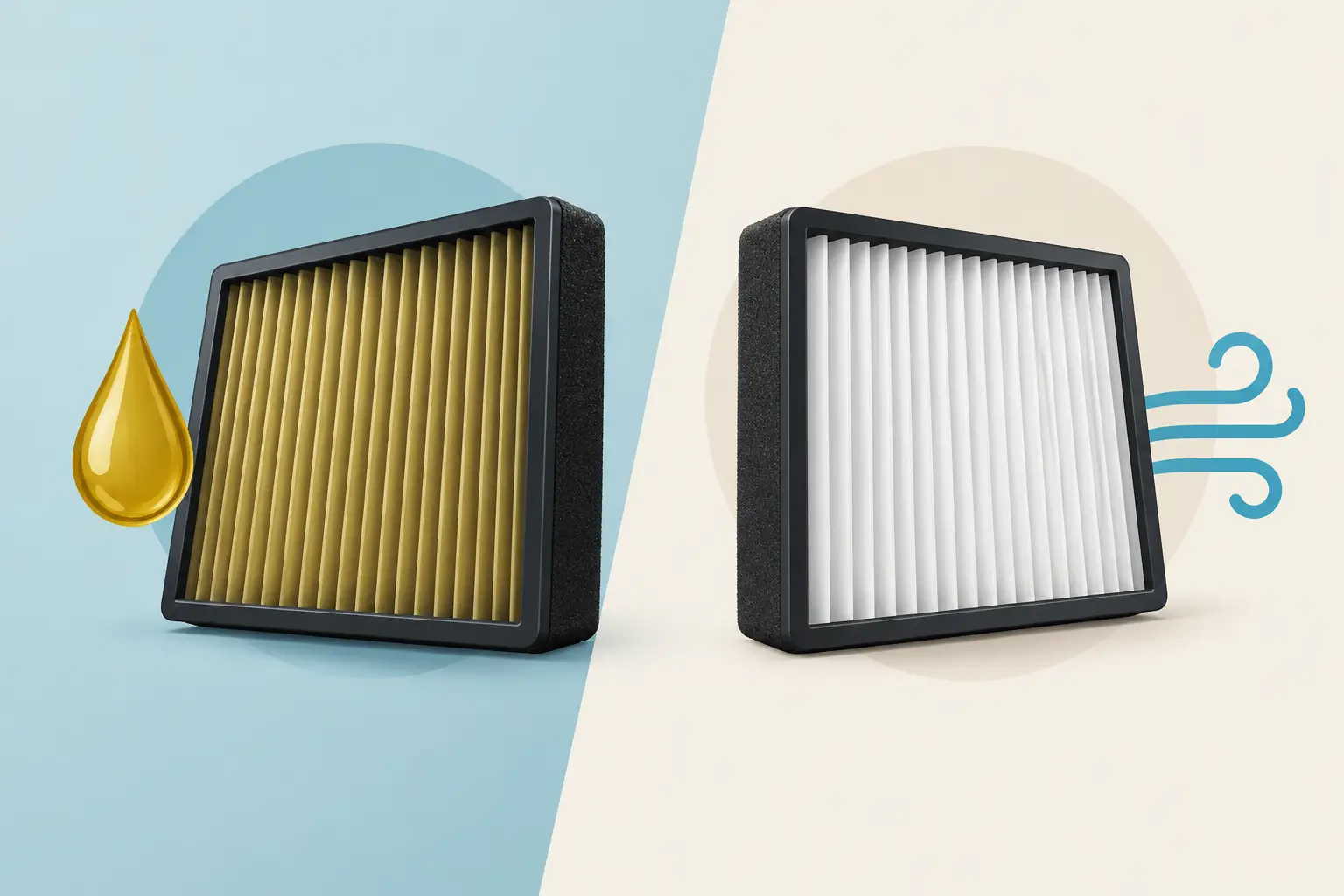
Cabin Filter Performance for Cleaner Air

Cabin Filter Performance for Cleaner Air

The first sign of poor cabin filter performance is rarely dramatic. Your air conditioning may still blow cold, but airflow feels weak at the vents, roadside odors linger longer than usual, and the windshield takes more effort to clear in wet weather. In Singapore and other hot, humid driving environments, a cabin filter works hard every time the blower is on – which is often every trip.

A cabin air filter is not an engine air filter, and it will not add horsepower. Its job is more immediate: helping keep dust, pollen, soot, fine road debris, and, depending on the filter design, unwanted odors out of the air entering the passenger compartment. Choosing the right filter and replacing it at the right time can make every drive more comfortable while supporting consistent HVAC operation.

What Cabin Filter Performance Actually Means

Cabin filter performance is a balance between contaminant capture, airflow, odor control, and accurate fitment. A filter that catches more particles is valuable, but it also needs enough usable surface area and the correct media design to allow the climate-control system to move air efficiently.

That balance matters because a cabin filter is installed upstream of the blower and HVAC case. When debris loads the filter media, the blower must work harder to push air through it. You may notice reduced vent volume, slower cooling, or more fan noise at higher settings. The problem is not necessarily a failing air conditioner. It may simply be a filter that has reached the end of its service interval.

A well-designed replacement filter should sit securely in its housing, seal around its edges, and match the vehicle’s specified dimensions. Even high-quality filter media cannot perform as intended if air can bypass it around a distorted frame or poor-fitting seal.

Particle Filtration and Airflow

Standard particulate cabin filters are built to trap airborne debris before it enters the cabin. This can include dust, pollen, tire-wear particles, and other fine material encountered in traffic and on construction-heavy roads. The media structure, pleat count, surface area, and loading capacity all influence how long the filter can maintain useful airflow.

More filtration is not automatically better if the design is overly restrictive for the application. The right choice is a vehicle-specific filter engineered to provide effective contaminant control without creating unnecessary resistance. This is why correct application lookup matters more than choosing a filter solely by appearance or price.

For daily commuters, the practical result is simple: air reaches the vents with less effort, the cabin feels fresher, and the HVAC system is not working against a heavily blocked element. For drivers who spend long periods in city traffic, that difference becomes noticeable quickly.

Odor Control Is a Separate Job

If exhaust smells, smoky haze, or urban odors are your main concern, look for a cabin filter with an activated carbon layer. Carbon media is designed to adsorb certain gases and odors that a standard particle filter may not address as effectively.

Activated carbon is especially useful in stop-and-go traffic, tunnels, parking structures, and areas with high vehicle emissions. It can improve the quality of air entering the cabin, but it is not a permanent shield against every smell or pollutant. Once the carbon becomes saturated, odor-control performance drops, even if the filter still appears fairly clean.

This is one of the main trade-offs when selecting a cabin filter. A carbon-enhanced option can offer better odor management, while a standard particulate filter may be the more economical choice for vehicles primarily used in cleaner environments. Your driving route, local air quality, and sensitivity to odors should guide the decision.

What Reduces Cabin Filter Performance?

Age alone does not tell the whole story. A vehicle driven occasionally on clean highways may keep a cabin filter serviceable longer than a daily commuter crawling through dense traffic, dusty work zones, or seasonal haze. Heat and humidity can also contribute to moisture buildup around the HVAC system, making regular inspection worthwhile.

Several conditions accelerate filter loading:

  • Frequent driving in traffic, near diesel vehicles, or through tunnels
  • Construction dust, unpaved roads, and roadside debris
  • Heavy pollen seasons or nearby vegetation
  • Extended use of recirculation and air conditioning in humid weather
  • Pet hair, leaves, and debris entering through the cowl intake

A clogged cabin filter can also allow moisture and organic material to remain in the HVAC housing. That can contribute to a musty smell when the fan starts. Replacing the filter is a smart first step, but persistent odors may also point to debris in the cowl area, a dirty evaporator, or drainage issues that require further inspection.

Signs It Is Time for a New Cabin Filter

Do not wait for a warning light. Most vehicles do not monitor cabin filter condition electronically. Instead, pay attention to changes in the way the ventilation system behaves.

Weak airflow at normal fan settings is one of the clearest signs, particularly if the system previously delivered strong air. A dusty or stale odor from the vents, increased fan noise, windows that fog more easily, and visible dirt on the old filter are also useful indicators. If the filter is darkened, packed with leaves, or misshapen, replacement should not be delayed.

Check the owner’s manual for the manufacturer’s service recommendation, then adjust for real operating conditions. In hot, humid, high-traffic regions, an annual inspection is a sensible baseline for many drivers. Vehicles exposed to dust, haze, or daily urban congestion may need more frequent replacement. The correct interval depends on what the filter has actually faced, not just the number on the odometer.

Fitment Is the Foundation of Effective Filtration

Cabin filter access varies widely. Some vehicles use a panel behind the glove box, while others place the filter under the dashboard, near the windshield cowl, or in the engine bay. The job can be straightforward for a DIY owner, but forcing clips, installing the filter backward, or choosing the wrong size can create problems.

Before installation, confirm the vehicle year, make, model, engine or trim details where applicable, and the filter location. Follow the airflow arrow marked on the frame. That arrow is not decorative – it identifies how the media is intended to face relative to the direction of air movement.

A filter installed backward may still fit, but it can affect how debris collects on the media and may make removal messier later. More importantly, never fold or crush the frame to make a near-match fit. An incorrect filter can leave gaps that allow unfiltered air and debris around the media.

For workshops and fleet operators, consistent fitment verification also reduces repeat work. Recording the filter part number and replacement date makes scheduled maintenance easier across multiple vehicles.

Cabin Filters and Engine Filters Serve Different Systems

It is easy to confuse these two components because both are called filters, but they protect different areas of the vehicle. The cabin filter helps manage the air entering the passenger compartment. The engine air filter protects the engine from harmful contaminants while supporting the airflow needed for combustion.

If your goal is stronger intake sound, improved throttle response, or performance gains where applicable, focus on the engine-side system: a properly engineered replacement air filter or intake designed for your exact vehicle. K&N Singapore supports that performance path with application-specific filtration and intake products, while cabin filtration remains focused on driving comfort and HVAC cleanliness.

Both systems deserve attention. Clean cabin filtration helps you breathe easier and maintain better vent airflow. Effective engine filtration supports protection and sustained vehicle operation. Treating each component according to its intended role leads to better ownership decisions than expecting one filter to do both jobs.

Make the Replacement Count

A cabin filter is a relatively small maintenance item, but it affects every minute you spend behind the wheel. Select the correct fitment, choose carbon media when odor control is a priority, and inspect the old filter before it becomes a restriction.

The next time the vents feel weaker or the cabin air feels less fresh, start with the filter. A properly matched replacement can restore the clean, consistent airflow your daily drive should have.

Posted on

Best Air Filters for Commuters Who Drive Daily

Best Air Filters for Commuters Who Drive Daily

A daily commute can mean stop-start traffic, construction dust, sudden rain, and long idling periods before the road finally opens up. That makes choosing the best air filters for commuters less about chasing a headline number and more about giving your engine a consistent supply of clean air without adding unnecessary restriction.

For drivers who rely on one vehicle every day, the right engine air filter should protect against contaminants, fit correctly, and make ownership easier over the long term. A performance-minded replacement can also improve airflow compared with a restrictive, worn factory filter, supporting sharper response when merging, overtaking, or carrying a full load.

Best Air Filters for Commuters: Start With the Right Type

Not every filter labeled as an upgrade is right for every commuter. The best choice depends on how you use the vehicle, how long you plan to own it, and whether you value a reusable component over the convenience of replacing a disposable filter at routine intervals.

A standard disposable paper filter is familiar and inexpensive upfront. It is a reasonable option for drivers who want a simple replacement and do not intend to keep the car for long. Its limitation is that it is discarded once loaded with dirt, creating recurring replacement costs and landfill waste over the life of the vehicle.

A washable, reusable oiled cotton air filter takes a different approach. Its layered cotton media is designed to capture contaminants while supporting high airflow. After the recommended service interval, it can be cleaned, allowed to dry fully, and re-oiled rather than thrown away. For a commuter who plans to keep a vehicle for years, that can offer stronger long-term value while reducing the number of filters sent to the trash.

The key distinction is not simply reusable versus disposable. It is whether the filter is engineered for your exact airbox and engine application. Correct sealing around the filter frame matters just as much as the media itself. An otherwise capable filter that does not sit properly in the factory airbox can allow unfiltered air around its edges, which defeats the point of upgrading.

Prioritize Fitment Before Performance Claims

Your vehicle’s original airbox is designed around a specific filter size, seal profile, and airflow path. A direct-replacement panel filter that matches those dimensions is often the most practical upgrade for commuters. It installs in the factory airbox, preserves the vehicle’s intended intake layout, and avoids the extra noise or under-hood heat considerations that can come with more extensive intake modifications.

Before buying, verify the year, make, model, engine, and where applicable, trim level. This is especially important for turbocharged vehicles, motorcycles, trucks, and models sold with multiple engine options. Two vehicles that look nearly identical can use different filters.

For commuters, a direct-fit replacement also has a maintenance advantage. You can inspect the filter during routine servicing without reworking intake piping or modifying engine-bay components. That simplicity is valuable when the vehicle has to be ready for work, school runs, deliveries, or weekend travel.

An intake system may make sense if your goal includes greater induction sound and a more substantial airflow upgrade. But it is not automatically the best first purchase for every daily driver. A quality replacement air filter is a focused way to improve an important maintenance component while keeping the original airbox in place.

Do not confuse engine and cabin air filters

The engine air filter protects the engine by cleaning the air entering the intake system. It can influence airflow, throttle response, and the protection of internal components from airborne grit. When commuters talk about power, acceleration, or engine protection, this is usually the filter they mean.

The cabin air filter serves a separate purpose. It helps clean air entering the passenger compartment through the heating and air-conditioning system, reducing the dust, pollen, and road debris that can build up inside the vehicle. For drivers who spend hours in traffic, replacing both at the appropriate interval is a sensible maintenance plan, but they should not be treated as interchangeable products.

What Daily Driving Demands From an Air Filter

A commuter vehicle sees conditions that do not always look severe but can challenge filtration over time. Traffic queues expose the intake to the dusty wake of buses, trucks, and motorcycles. Roadworks and unpaved shoulders add fine particles. Humid, rainy conditions can leave debris stuck around airbox inlets and filter housings.

That is why an air filter should not be chosen by airflow alone. The balance between airflow and contaminant capture is what protects a daily-driven engine. A clean, correctly installed filter helps the engine breathe as intended while preventing abrasive particles from reaching sensitive internal surfaces.

A filter that is overdue for replacement or cleaning may become increasingly restrictive as it collects debris. Symptoms can be subtle: slower throttle response, reduced willingness at higher rpm, or an intake tract that looks visibly dirty when inspected. These signs do not prove the filter is the only issue, but they are a clear reason to inspect the intake system.

For vehicles used in unusually dusty environments, on frequent highway construction routes, or for rides that include unpaved roads, service may be needed sooner. Service intervals should follow the product instructions and real-world conditions, not a fixed rule copied from another vehicle.

Reusable Filters Make Sense When You Will Maintain Them

A reusable filter is not a fit-and-forget component. That is a benefit when you want control over long-term maintenance, but it requires doing the job correctly. Cleaning should be performed when the filter shows a meaningful buildup of dirt or according to the applicable service guidance. Cleaning too often is unnecessary, while waiting until the filter is severely neglected is equally unhelpful.

Use a dedicated cleaning solution and the correct filter oil for an oiled cotton filter. Household cleaners, compressed-air blasts, gasoline, and excessive oil can damage the media, affect filtration performance, or create problems downstream. The filter must dry completely before oil is applied, and oil should be applied evenly rather than soaked into the element.

This is where quality maintenance products matter. K&N Filters Singapore supports the same ownership logic behind its washable High-Flow Air Filters: maintain the filter properly, reinstall it correctly, and use it for the long service life it was designed to deliver.

There is also a practical trade-off. If you do not have the time or place to clean and dry a filter, a disposable replacement may be more convenient. A reusable filter delivers its best value to owners who are willing to perform periodic care or have a trusted workshop handle it.

A Smart Buying Checklist for Commuters

When comparing options, focus on the details that affect your actual vehicle rather than generic marketing language. Confirm exact fitment first, then consider media design, sealing, serviceability, and the manufacturer’s maintenance requirements. For a daily driver, warranty-friendly fitment and predictable installation are often more useful than an aggressive-looking filter that requires modifications.

Look for a filter built for the factory airbox if you want a straightforward replacement. Choose reusable media if you expect to keep the vehicle long enough to benefit from repeated cleaning cycles. If your vehicle is used in harsh dust, prioritize a proven filtration design and inspect it more regularly.

Also consider your driving goal. A naturally aspirated commuter may feel the biggest benefit from restoring clean airflow if its old filter was heavily loaded. A turbocharged vehicle may respond differently, and the change can vary with engine calibration, intake design, weather, and the condition of other maintenance items. No air filter should be treated as a substitute for addressing fault codes, vacuum leaks, dirty sensors, or neglected spark plugs.

Install It Like a Protection Part

Installation is straightforward on many vehicles, yet careless fitting can undo a good product choice. Open the airbox carefully, remove leaves and loose debris from the housing, and compare the new filter with the old one before fitting it. Make sure the sealing edge sits flat and the airbox closes completely without pinching the filter.

After installation, check that all intake clips, hoses, and connectors are secure. On vehicles with a mass airflow sensor, avoid touching or contaminating the sensor during service. If anything appears damaged or misaligned, stop and correct it before driving.

The best commuter filter is the one that matches your vehicle, protects it in the conditions you actually face, and remains easy to maintain. Treat it as part of the engine’s long-term protection plan, and every trip through traffic becomes one less compromise.

Posted on

When Should Cabin Filters Change in Your Car?

When Should Cabin Filters Change in Your Car?

A cabin filter works every time you switch on the air conditioning, often without getting a second thought until the vents smell stale or airflow drops. So, when should cabin filters change? For most vehicles, inspect the filter every 12 months and replace it around every 12,000 to 15,000 miles, or sooner when driving conditions demand it.

That interval is a reliable starting point, not a rule that fits every vehicle and every route. A car that spends its life on clean highways may go longer than a vehicle that regularly faces construction dust, traffic fumes, heavy rain, haze, or leaf-filled parking areas. The right schedule protects the air you breathe and helps your climate-control system move air as intended.

What a Cabin Filter Actually Does

Your cabin air filter sits in the heating, ventilation, and air-conditioning system, usually behind the glove box, under the dashboard, or beneath the cowl panel at the base of the windshield. It screens incoming air before it reaches the cabin.

Depending on its media, the filter captures dust, pollen, soot, road debris, and other airborne particles. Some filters also use an activated carbon layer to help reduce odors and certain gaseous pollutants. This is especially useful for commuters who spend long periods behind diesel vehicles, buses, motorcycles, or congested traffic.

A cabin filter does not clean the air already inside the vehicle forever, and it cannot solve every odor problem. A musty smell may also point to moisture or microbial buildup on the A/C evaporator. Still, a clean, correctly fitted filter is one of the simplest maintenance items for better cabin comfort and HVAC performance.

When Should Cabin Filters Change? Start With Your Conditions

Your owner’s manual should always set the baseline because filter access, HVAC design, and service intervals differ by vehicle. If no interval is listed, annual replacement or inspection is sensible for a daily driver. Use mileage as a secondary guide rather than the only trigger.

Drivers in hot, humid, and densely populated areas may need to inspect their cabin filters more often. Singapore and much of Southeast Asia combine year-round A/C use with rain, roadside dust, urban pollution, and occasional haze. In these conditions, checking the filter every six months can prevent a restricted filter from becoming an air-conditioning complaint.

Consider earlier service if your vehicle regularly operates in any of these conditions:

  • Stop-and-go city traffic with heavy exhaust exposure
  • Dusty work sites, unpaved roads, or construction zones
  • Areas with frequent haze, smoke, pollen, or fallen leaves
  • High-mileage ride-share, taxi, delivery, or fleet use
  • Humid conditions where the A/C runs almost constantly

The trade-off is straightforward. Replacing a filter too early costs a little more in maintenance. Waiting too long can reduce airflow, make the blower work harder, and leave occupants breathing air that has passed through a loaded filter. For most drivers, an inspection is quick enough that there is little reason to guess.

Warning Signs Your Cabin Filter Is Loaded

Mileage does not always tell the full story. A cabin filter can become heavily restricted well before its scheduled service if it has been exposed to fine dust, soot, or organic debris.

The clearest sign is weak airflow from the vents, even after selecting a higher fan speed. If the blower sounds busy but the amount of air entering the cabin feels low, the filter is worth checking. Reduced airflow can also make cooling feel less effective, although low refrigerant, a weak blower motor, or other A/C faults can cause similar symptoms.

Persistent odors are another reason to inspect the filter. Dust and moisture trapped in the media can create a stale smell when the A/C starts. A carbon-equipped filter may help with outside exhaust odors, but it eventually becomes saturated and should be serviced according to the manufacturer’s guidance.

Watch for more fogging on the inside of the windshield, visible dirt on the filter, excess debris in the cowl area, or a noticeable increase in allergy irritation while driving. None of these signs proves the cabin filter is the only issue, but each makes inspection worthwhile.

Replace or Clean? The Filter Design Matters

Most original-equipment cabin filters are disposable. Once they are dirty, replace them with the correct application-specific filter. Do not try to wash a standard paper or synthetic disposable filter unless the manufacturer specifically says it can be cleaned. Water, compressed air, or aggressive brushing can damage the media, open gaps, and reduce filtration performance.

Some premium cabin filters are designed to be washable and reusable. A reusable K&N cabin air filter, where available for your vehicle, is built for cleaning and reinstallation rather than routine disposal. That can reduce replacement waste and provide long-term value, but only if it is cleaned with the approved process and at the proper interval.

Reusable does not mean maintenance-free. If airflow has dropped or the media is visibly loaded, service it. Follow the filter’s specific cleaning instructions, allow it to dry completely when required, and reinstall it with the correct orientation. An incorrectly installed filter can allow unfiltered air around the seal or restrict flow if it is fitted backward.

Cabin Filters and Engine Air Filters Are Not the Same

It is easy to confuse the two, especially when servicing your own vehicle. The cabin filter protects occupants and supports HVAC airflow. The engine air filter protects the engine by preventing contaminants from entering the intake tract.

A dirty engine air filter may affect engine response, fuel economy, or performance in some applications. A dirty cabin filter typically affects airflow, odors, windshield clearing, and interior air quality. Both deserve regular inspection, but one does not replace the job of the other.

For performance-focused owners, this distinction matters. An intake upgrade or high-flow engine air filter is selected around engine airflow and protection. A cabin filter should be selected for correct fitment, efficient HVAC operation, and the level of particle and odor control you want inside the vehicle.

How to Check a Cabin Filter Properly

Before ordering a replacement, confirm the exact year, make, model, and trim of your vehicle. Some models use more than one cabin filter, and similar-looking filters can differ in length, thickness, edge seal, or airflow direction.

With the vehicle switched off, access the filter housing according to the vehicle manual. Remove the filter carefully so loose debris does not fall deeper into the blower or housing. Look for dark discoloration, packed dust, leaves, insect debris, moisture damage, or distorted pleats. A light gray filter is not automatically worn out, while a filter that is dark, clogged, or misshapen should not stay in service.

Check the airflow arrow before removing the old filter and match that direction during installation. In most vehicles, the arrow refers to airflow through the HVAC housing, not necessarily the direction the air enters from outside. If you are unsure, a workshop can complete the service quickly and verify that the housing cover seals correctly.

A Better Service Habit for Daily Drivers

Pair cabin-filter inspection with an oil change, scheduled service, tire rotation, or a pre-rainy-season vehicle check. That approach is easier to remember than waiting for odors or reduced airflow. If you drive in clean conditions and the filter remains in good shape, you may not need to replace it at every inspection. If your commute includes dust, fumes, and heavy A/C use, a shorter interval is money well spent.

The best time to change a cabin filter is before it becomes the weak link in your air-conditioning system. Check the vehicle’s recommended interval, let your driving environment guide the final decision, and choose a correctly fitted filter that keeps every mile more comfortable.

Posted on

Airflow Restriction Symptoms in Your Vehicle

Airflow Restriction Symptoms in Your Vehicle

A vehicle that feels hesitant when pulling away from a traffic light, struggles uphill, or seems less eager at higher RPM may be showing airflow restriction symptoms. The engine needs a measured supply of clean air to make power efficiently. When that air supply is restricted, combustion, throttle response, fuel delivery, and even transmission behavior can feel different from the driver’s seat.

A dirty engine air filter is a common cause, but it is not the only one. Intake hoses, airboxes, sensors, throttle bodies, turbo plumbing, and exhaust restrictions can all create similar complaints. Knowing what to look for helps you avoid replacing parts blindly and gives you a better starting point for proper inspection.

What Airflow Restriction Does to an Engine

Every combustion engine needs the right balance of air and fuel. Modern vehicles use sensors and engine-control systems to adjust fueling based on the air entering the intake. When airflow is reduced beyond what the engine expects, it may compensate to a degree, but performance can still suffer.

At light throttle, a mild restriction may be difficult to notice. Under hard acceleration, highway merging, towing, climbing, or high-RPM riding, the engine’s demand for air rises sharply. That is when a clogged filter or blocked intake path is most likely to reveal itself.

The effect depends on the vehicle. A naturally aspirated passenger car may simply feel dull and slow to respond. A turbocharged engine may build boost later or feel flat in the midrange. On motorcycles, ATVs, and small engines, restricted intake flow can be especially noticeable because there is less power in reserve.

Common Airflow Restriction Symptoms

Weak acceleration and slower throttle response

Reduced acceleration is often the first complaint. Press the throttle and the vehicle moves, but it does not respond with its usual urgency. The engine can feel as though it is working harder than it should, particularly when overtaking, carrying passengers, or climbing a grade.

This symptom is not exclusive to the air intake. Fuel-system faults, ignition problems, transmission issues, low boost pressure, and brake drag can also reduce acceleration. Still, the air filter and intake tract are sensible first inspection points because they are accessible and directly affect the engine’s breathing.

Reduced fuel economy

A restricted intake can contribute to higher fuel consumption, especially in older vehicles or under repeated heavy-load driving. Modern engine management may compensate for limited airflow, so the fuel-economy change is not always dramatic. It can also be masked by traffic, tire pressure, driving style, and air-conditioning use.

Think of fuel economy as a supporting clue rather than proof. If it appears alongside dull performance, a dirty filter, or visible debris in the airbox, airflow restriction becomes more likely.

Rough idle, hesitation, or an uneven power delivery

Severe restrictions or intake faults can cause a rougher idle, hesitation on tip-in, surging, or a stumble when accelerating. However, these symptoms more often point to an intake leak, contaminated mass airflow sensor, dirty throttle body, ignition fault, or fuel-delivery issue than to a filter alone.

A filter restriction reduces the amount of air available. An intake leak allows unmetered air in. Both can affect how the engine runs, but they require different repairs. This is why a visual inspection and diagnostic scan are more valuable than guessing.

Black smoke or unusual exhaust behavior

On some diesel applications, restricted airflow can contribute to incomplete combustion and darker exhaust smoke under load. Gasoline vehicles may also develop a rich-running condition in certain fault scenarios, although modern systems usually detect major air-metering problems and set a warning light.

Do not assume smoke is an air-filter issue. Injector faults, turbocharger problems, EGR-system faults, sensor errors, and engine wear can all be involved. Persistent smoke deserves prompt professional diagnosis.

A whistling, hissing, or intake roar that has changed

A new sound from the intake deserves attention. Hissing may indicate a split hose or loose clamp. Whistling can occur around a restriction or boost leak. A louder intake roar may be normal after fitting a performance intake, but it is not normal if it appears suddenly on a vehicle with an unchanged factory system.

Inspect airbox clips, intake ducts, hose clamps, resonator connections, and turbo or intercooler pipes where applicable. A loose connection after a service can create drivability symptoms that feel very similar to restricted airflow.

Check engine light or stored fault codes

A check engine light may accompany airflow-related issues, particularly when the mass airflow sensor, manifold pressure sensor, throttle system, or turbocharger control is affected. Common code families can relate to air-fuel mixture, airflow readings, boost performance, or intake system leaks.

The code does not automatically identify the failed part. A mass airflow-related code, for example, may be caused by a damaged intake hose, a dirty sensor, poor electrical connection, or an incorrectly fitted filter. Use codes to guide testing, not as a parts-shopping list.

How to Inspect for a Restricted Intake

Start with the air filter housing. With the engine off, open the airbox according to your vehicle’s service procedure and inspect the filter for heavy dust loading, mud, leaves, insect debris, water damage, or physical collapse. Check that the filter is seated correctly and that the airbox lid seals fully.

Then follow the intake path from the airbox toward the engine. Look for crushed ducts, soft or cracked rubber sections, disconnected vacuum lines, loose clamps, and signs of oil accumulation where it should not be. On turbocharged vehicles, inspect the charge pipes and intercooler connections as well.

If the filter looks dirty, do not judge only by color. Some filter media naturally darkens with use. What matters is the level of loading, the application, the service environment, and the manufacturer’s maintenance guidance. Vehicles operated around construction dust, unpaved roads, agricultural areas, or frequent stop-and-go traffic may need inspection sooner than vehicles used mainly on clean highways.

When the Filter Is the Problem and When It Is Not

Replacing a heavily loaded disposable filter can restore normal airflow. A washable, reusable high-flow filter can also be a practical long-term choice when it is designed for the exact vehicle and serviced correctly. K&N’s oiled cotton filter media is engineered to balance airflow with contaminant capture, while allowing the filter to be cleaned and reused rather than discarded at every service interval.

The trade-off is maintenance discipline. A reusable filter must be cleaned only when service is needed, allowed to dry fully, and re-oiled with the correct amount of approved filter oil. Over-oiling can contaminate components downstream, while under-oiling can compromise filtration performance. Never use compressed air, harsh solvents, or improvised oils on a filter unless its manufacturer specifically permits them.

If a fresh or properly serviced filter does not improve the problem, move beyond the filter. A restricted catalytic converter, failing fuel pump, worn spark plugs, sticking brake caliper, low compression, or transmission fault can all make a vehicle feel underpowered. Turbo engines add more possibilities, including boost leaks, wastegate faults, and intercooler restrictions.

Do Not Ignore Severe Symptoms

Arrange professional inspection promptly if power loss is sudden or severe, the check engine light flashes, the engine overheats, there is heavy smoke, or the vehicle enters a reduced-power mode. These signs can indicate problems more serious than routine filter maintenance.

For fleet, industrial, marine, and powersports equipment, watch operating hours and working conditions as closely as mileage. Equipment that operates in dusty environments may require a more frequent inspection schedule than a road vehicle, and the cost of intake contamination can be far greater than the cost of preventive maintenance.

A clean, correctly fitted air filter is a small component with a direct influence on how confidently an engine responds. Inspect it before chasing expensive repairs, but treat it as one part of a complete intake and engine-health check. The right filter, correct fitment, and proper service habits help keep the air flowing when your vehicle needs it most.

Posted on

Oiled Versus Dry Air Filters: Which Fits?

Oiled Versus Dry Air Filters: Which Fits?

A restrictive, loaded air filter can make an otherwise healthy engine feel flat when you ask for acceleration. But choosing a replacement is not simply a matter of picking the filter that promises more airflow. The real question in oiled versus dry air filters is how each media type balances airflow, contaminant capture, service requirements, and the way you use your vehicle.

For daily cars, motorcycles, trucks, and equipment, the best filter is the one that fits correctly, protects the engine in its operating environment, and receives the maintenance it requires. For enthusiasts, that decision may also involve intake sound, throttle response, and the potential to support a less restrictive intake path.

How Oiled and Dry Air Filters Work

Both filter types are built to keep airborne dirt, dust, and debris out of the engine. They do it through different media designs and service models.

An oiled filter commonly uses layered cotton gauze supported by wire mesh. A light, evenly applied filter oil creates tackiness across the fibers, helping the media retain contaminants while air passes through. This construction is the foundation of the washable, reusable high-flow filter design associated with K&N.

A dry filter does not rely on filter oil to capture particles. Many factory replacement filters use pleated paper media, while reusable dry designs may use synthetic media or dry foam. Some are disposable, while others can be cleaned and reused according to the manufacturer’s instructions.

Neither label automatically tells you whether a filter is good or bad. Media area, pleat design, sealing, fitment, intake design, and maintenance all affect real-world results. A well-designed dry filter can be an excellent choice. So can a properly serviced oiled cotton filter.

Oiled Versus Dry Air Filters: The Practical Difference

The key difference is not simply oil versus no oil. It is the ownership experience that comes with each design.

Airflow and performance potential

Engines need a steady supply of clean air. When an air filter and intake tract are restrictive, reducing restriction can help the engine breathe more freely, particularly at higher engine speeds and under load. On a naturally aspirated performance car, a tow vehicle, or a motorcycle that spends time near the upper rev range, this can contribute to sharper response and support measurable gains when the rest of the intake system benefits as well.

Oiled cotton filters are engineered to combine high airflow with effective contaminant retention. Their layered gauze construction is washable and designed for long service life. When replacing a restrictive factory paper element, an oiled reusable filter may also provide a more pronounced intake note, depending on the vehicle.

Dry filters can also flow very well, especially purpose-built synthetic performance filters. However, comparing airflow claims across brands is difficult unless the filters are tested at the same airflow level and pressure drop. More airflow on a product page is not automatically more power at the wheels. On many modern daily drivers, the factory airbox is already capable of supporting normal driving and moderate engine output.

Filtration and engine protection

Protection is where fitment and installation matter as much as media choice. The filter must seal fully against the airbox or intake housing. Even the best filter media cannot protect an engine if unfiltered air bypasses a damaged gasket, warped frame, loose airbox cover, or incorrectly seated filter.

Oiled cotton media captures particles through its fiber structure and the adhesive effect of filter oil. The oil must be applied correctly. Too little can reduce the media’s intended dirt-holding characteristics, while excessive oil can create avoidable problems.

Dry media captures particles mechanically through its fibers and pore structure. High-efficiency paper filters are common original-equipment solutions because they are simple, cost-effective, and consistent. Yet paper elements generally require replacement rather than washing, and their condition can degrade unnoticed when service intervals are ignored.

If your vehicle frequently operates around construction dust, unpaved roads, agricultural areas, off-road trails, or industrial worksites, inspect the filter more often than the standard maintenance schedule suggests. In these environments, filter capacity and disciplined service matter more than marketing shorthand.

Maintenance requirements

A dry disposable filter wins on convenience. When it is dirty, you replace it. There is no cleaning solution, dry time, or oiling process. That simplicity suits drivers who prefer scheduled maintenance with minimal hands-on work.

A reusable dry filter can reduce replacement waste, but it still needs careful cleaning. Do not assume compressed air, aggressive brushing, or household solvents are safe for the media. Each material has its own approved service method.

An oiled reusable filter requires the most attention, but it can offer long-term value. Clean it only when dirt buildup calls for service, using the proper cleaner and rinse direction. Allow the filter to dry completely, then apply the specified oil sparingly and evenly. The media should have uniform color, not wet spots or drips.

This is not a task to rush before a morning commute. Plan time for drying. Reinstalling a damp filter or applying too much oil turns a straightforward service job into an unnecessary risk.

Sensors and over-oiling concerns

Many late-model vehicles use mass airflow sensors to help calculate fueling. These sensors are precise, and contamination or fault conditions can affect drivability. That is why the old warning about oiled filters damaging sensors deserves a more accurate explanation.

A properly maintained oiled filter is not the same as an over-oiled filter. Problems can occur when excess oil is applied and migrates through the intake tract. Using the correct amount of oil, allowing it to wick into the media, and wiping away excess before installation are essential steps.

If your priority is the lowest possible maintenance sensitivity, a quality dry filter may feel more comfortable. If you choose an oiled filter, follow the servicing instructions exactly. The filter is a performance component, not a part to treat casually.

Cost, Waste, and Long-Term Ownership

A disposable paper filter usually has the lowest initial price. Over several service intervals, though, repeated replacements add up. They also create more used filter waste.

A washable oiled cotton filter costs more upfront but is designed to be cleaned and reused for the life of the vehicle when properly maintained. For owners who keep vehicles for years, cover high annual mileage, or maintain multiple machines, the economics can be compelling. The value is strongest when you are willing to service it correctly rather than replacing it out of convenience.

The same thinking applies to environmental impact. Reuse reduces the number of discarded filter elements, but cleaning uses water and cleaning products. There is no zero-impact option. The more durable choice is usually the one that stays in service as intended and protects the engine for the long haul.

Which Filter Is Right for Your Vehicle?

Choose a dry disposable filter if you want simple scheduled replacement, prefer original-equipment-style maintenance, or do not plan to clean and re-oil a filter yourself. It is a sensible answer for many commuters and fleet vehicles.

Choose a reusable dry filter if you want a washable design without oiling steps, provided a quality option is available for your exact application. Confirm how it should be cleaned before you buy it.

Choose an oiled reusable cotton filter if you value long-term reusability, high-flow filtration, and are prepared to follow the cleaning and oiling procedure. It is especially appealing for owners who enjoy maintaining their vehicle, want to reduce disposable filter waste, or are building an intake setup around improved response and sound.

Whatever you choose, buy for the exact year, make, model, engine, and intake configuration. A filter that almost fits is not good enough. Check the sealing surface during every service, keep the airbox free of leaves and loose debris, and investigate any check-engine light rather than assuming the filter is the cause.

Your engine does not need the loudest or most aggressively marketed filter. It needs clean air, consistent airflow, and a filter system you will maintain correctly. Make that choice first, and every kilometer afterward has a better foundation.