Posted on

Motorcycle Air Filter Cleaning Guide for Riders

Motorcycle Air Filter Cleaning Guide for Riders

A dirty motorcycle air filter can quietly take the edge off throttle response, fuel efficiency, and engine protection. This motorcycle air filter cleaning guide is built for riders who want dependable airflow without guessing when a filter is ready for service. Whether you commute through city traffic, ride in tropical rain, or spend weekends on dusty trails, the condition of your filter matters every time the engine pulls in air.

A reusable oiled-cotton filter is designed to be cleaned and re-oiled rather than discarded. Done correctly, that means long-term value, less replacement waste, and reliable contaminant control. Done carelessly, cleaning can leave the media under-oiled, over-oiled, damaged, or still carrying debris. The goal is not to make the filter look brand-new. The goal is to restore its ability to flow air and trap harmful dirt.

Know Your Filter Before You Clean It

Not every motorcycle filter should be washed. Most disposable paper filters are replaced when dirty, not cleaned with water or solvent. Washing a paper element can weaken the material, distort the pleats, and reduce its ability to filter effectively.

Washable oiled-cotton filters use layered cotton gauze supported by wire mesh. They are intended for repeated service with the correct cleaner and oil. Foam filters, common on dirt bikes and off-road machines, also need special care, but their cleaning process and oil type are different. Never assume one cleaning method works for every filter material.

Check your motorcycle owner’s manual and the filter manufacturer’s instructions before starting. This is especially relevant for modern motorcycles with tight airboxes, sensitive mass airflow components, or complicated bodywork. If the filter has torn gauze, separated seals, bent mesh, or a hardened rubber flange, replacement is the smarter move.

When Does a Motorcycle Air Filter Need Cleaning?

Service intervals depend on where and how you ride. A highway commuter in relatively clean conditions may go much longer between inspections than a dual-sport rider following another bike down an unpaved road. Humidity, construction dust, haze, rain, and stop-start traffic can all affect the filter and airbox.

Inspect the filter during routine maintenance and clean it when the filter media is visibly loaded with dirt across its surface. Do not clean it simply because a fixed number of miles has passed if it still appears lightly soiled. Unnecessary washing adds handling and drying time without improving performance.

Pay attention to the motorcycle as well. A noticeably dull intake sound, reduced response at higher rpm, or excess debris inside the airbox can signal that an inspection is overdue. These symptoms can have other causes, so treat the air filter as one part of a proper maintenance check rather than the automatic answer to every performance issue.

What You Need for Proper Filter Service

Use products made for your filter type. For a reusable oiled-cotton filter, a dedicated filter cleaner and filter oil are the right combination. K&N filter care products are formulated for this purpose, helping dissolve accumulated grime without using harsh chemicals that may harm the cotton media, adhesive, or sealing surfaces.

You will also need a clean work area, a drain pan or sink, low-pressure cool water, clean towels, and enough time for the filter to air-dry completely. Avoid gasoline, brake cleaner, carburetor cleaner, strong degreasers, and compressed air. These shortcuts can damage the filter or force dirt deeper into the media.

Before removing the filter, clean loose dust from around the airbox cover. Dirt sitting on the outside of the box can fall directly into the intake tract once the cover comes off. Cover the intake opening with a clean, lint-free cloth while you work, but remove it before reassembly.

Motorcycle Air Filter Cleaning Guide: The Right Process

Remove and inspect the filter

Take photos before disassembly if the airbox layout, clamps, hoses, or fasteners are unfamiliar. Remove the filter carefully and inspect both the clean side and dirty side. The clean side should not show a heavy coating of dust. If it does, inspect the airbox seal and filter fitment before reinstalling anything.

Check the sealing flange for cracks, flattening, or debris. A high-flow filter only protects an engine if all incoming air passes through the filter media. A poor seal creates a path for unfiltered air, which defeats the purpose of servicing the filter at all.

Apply cleaner from the dirty side

Spray filter cleaner generously onto the dirty side of the filter, following the product directions. Let it soak for the recommended time so it can loosen oily residue and trapped contaminants. Do not let the cleaner dry on the filter.

For heavily soiled filters, a second application may be necessary. Resist the urge to scrub the cotton aggressively with a brush. The filter media needs cleaning, not abrasion. Hard brushing can disturb the cotton fibers and shorten the service life of the element.

Rinse gently with cool, low-pressure water

Rinse from the clean side toward the dirty side. This direction helps push loosened debris out the way it entered rather than driving it deeper into the cotton. Use a gentle stream of cool water. High-pressure water can damage the media, separate pleats, or distort the filter’s shape.

Continue rinsing until the water runs clear. If dirty water continues to appear, repeat the cleaner-and-rinse process. Do not reinstall a filter that still carries visible mud, dust, or oily grime in the pleats.

Let it dry naturally

Shake off excess water and place the filter in a clean, well-ventilated area to dry naturally. Do not use a heat gun, hair dryer, oven, clothes dryer, or direct high heat. Heat can shrink or damage cotton media and affect the adhesive or rubber components.

This is the step riders are most tempted to rush. Do not oil a wet filter. Moisture can prevent the oil from distributing correctly and may lead to an uneven result. If your motorcycle needs to be back on the road immediately, use a spare filter rather than cutting drying time short.

Re-oil evenly, then allow it to wick

Once fully dry, apply the specified oil evenly along each pleat on the dirty side, using the method recommended for the product. The oil is not optional on an oiled-cotton filter. It is part of the filtration system, helping the cotton capture fine contaminants while maintaining airflow.

Let the oil wick through the media for the recommended period. Inspect the filter for light, even color coverage. Touch up pale areas sparingly. The correct result is an even coating, not a saturated, dripping filter.

Over-oiling is as unhelpful as under-oiling. Excess oil can migrate into the airbox and may contaminate nearby intake components. If oil pools on the mesh or drips from the filter, blot the excess gently and let the filter rest before installation.

Reinstall Without Creating an Air Leak

Wipe the inside of the airbox with a clean, damp cloth before reinstalling the filter. Do not leave loose dirt, tools, towels, or hardware inside. Make sure the filter seats squarely on its mounting surface and that clamps, retaining plates, or airbox covers are secured correctly.

Avoid overtightening clamps or fasteners. Too much force can deform a filter flange, strip an airbox screw, or create an uneven seal. Once assembled, start the motorcycle and listen for abnormal intake noises. If the bike idles normally and the airbox is fully closed, take a short test ride and check again for signs of oil residue or an improperly seated cover.

Common Cleaning Mistakes That Cost Performance

The most common mistake is treating every dirty filter like a disposable paper unit or every washable filter like foam. Filter materials require different cleaners, oils, and service techniques. Using the wrong chemical may cause permanent damage even if the filter looks clean afterward.

Another mistake is using compressed air to blow out dirt. It may appear effective, but it can stretch the media, create tiny openings, and push particles into areas that are harder to rinse properly. High-pressure water produces similar risks.

Finally, do not judge filter condition by color alone. An oiled-cotton filter will not look like bright, untreated fabric after service, and it does not need to. Look for even oil coverage, intact media, a clean sealing surface, and no loose debris on the clean side.

A properly serviced motorcycle air filter is a small maintenance job with a direct effect on the air your engine breathes. Give it the correct cleaner, enough drying time, and the right amount of oil, and it can continue delivering reusable filtration and dependable riding performance for many miles.

Posted on

Why a Cabin Air Filter Smells Bad and What to Do

Why a Cabin Air Filter Smells Bad and What to Do

A cabin air filter smells bad for a reason: moisture, organic debris, and trapped road contaminants have turned part of your ventilation system into an odor source. Switching on the A/C should make the cabin more comfortable, not fill it with a musty, sour, or dirty-sock smell. The good news is that the filter is often part of the problem, but it is not always the whole problem.

For daily commuters, family vehicles, work trucks, and enthusiast builds alike, clean cabin air matters. It helps keep dust, pollen, soot, and debris out of the HVAC system while making every drive more pleasant. A bad smell is your cue to inspect the system before the odor becomes harder to remove.

Why Your Cabin Air Filter Smells Bad

The most common cause is moisture. Your air-conditioning system removes humidity from cabin air, and that condensation drains beneath the vehicle. After a drive, however, the evaporator core and nearby HVAC passages can remain damp. If the vehicle is parked for long periods in heat or humidity, mold and mildew can grow on damp surfaces and create the familiar musty smell when the blower starts.

A cabin filter can hold moisture too, especially when it is loaded with leaves, dust, pollen, and fine road grime. Once debris gets wet, it becomes a place where odor-causing microbes can develop. In areas with frequent rain, high humidity, construction dust, or heavy traffic, filters may become dirty faster than an owner expects.

The odor itself can offer a useful clue. A damp, earthy, or old-gym-sock smell usually points to moisture and microbial growth around the filter or evaporator. A dusty smell may mean the filter is clogged or incorrectly seated, allowing contaminants to bypass it. A sharp chemical odor could be exhaust fumes, coolant, fuel, cleaning chemicals, or an electrical issue. Those smells should not be dismissed as a routine filter problem.

The filter may be innocent

Replacing the cabin filter is smart maintenance, but a new filter will not cure an evaporator that is already contaminated. If the smell returns within days or weeks, the source is likely deeper in the HVAC housing. A blocked A/C condensate drain is another possibility. When water cannot drain correctly, it can collect in the system or soak nearby carpeting, making the cabin smell worse.

Rodents can also create a surprisingly strong odor. They may nest in the cowl intake, blower housing, or engine-bay area near the fresh-air intake. If you find shredded material, droppings, or a sudden foul smell, inspect carefully or have a workshop examine the system.

Check the Cabin Filter Before You Buy Parts

On many vehicles, the cabin filter sits behind the glove box, under the dashboard, or near the cowl below the windshield. Consult the owner’s manual or vehicle service information before removing panels. The job is usually straightforward, but plastic tabs and clips can break if forced.

Remove the filter and inspect both sides under good light. A filter packed with leaves, gray dust, dark soot, insect fragments, or damp material has reached the end of its useful service interval. Check whether it feels wet, smells strongly, or has visible discoloration. Also look at the airflow-direction arrow printed on its frame. An incorrectly installed filter can reduce airflow and leave gaps that let dirt move around the media.

Do not try to rescue a conventional disposable cabin filter by shaking it out, spraying it with perfume, or washing it. That may release trapped contaminants, damage the filter media, and leave the underlying odor untouched. Replace it with the correct part number and fitment for your vehicle.

A quality replacement cabin filter should fit securely and provide effective contaminant control without restricting the ventilation system unnecessarily. For drivers who want dependable filtration backed by an established performance heritage, K&N Singapore provides vehicle-specific filtration options through an authorized source. Always confirm application compatibility before ordering.

How to Remove the Smell From the HVAC System

Start by replacing a dirty or contaminated cabin filter. Then clean the source area rather than masking the smell with an air freshener. A fresh scent mixed with mildew is still mildew.

First, clear leaves and debris from the cowl area at the base of the windshield. These materials can block fresh-air inlets and hold water close to the HVAC intake. Make sure the vehicle’s drain channels are clear, but avoid pushing tools deep into unknown openings where you could damage components.

Next, run the A/C and confirm that condensate is dripping beneath the vehicle after several minutes. The exact location varies by model, but active A/C operation should normally produce water drainage. If there is no drainage, water appears inside the cabin, or the carpet is damp, have the condensate drain inspected. A blocked drain needs a proper repair, not a stronger fragrance.

For a mild recurring mildew odor, an HVAC evaporator cleaner designed specifically for automotive systems can help. Follow the product instructions exactly, including where to apply it and how long to ventilate the cabin. Some products are used through the intake area, while others are applied closer to the evaporator drain. Using the wrong chemical, oversaturating the system, or spraying household disinfectants into vents can damage interior surfaces or leave irritating fumes.

If the odor is severe, if you can see mold, or if it returns after cleaning and a filter replacement, book professional HVAC service. A technician can inspect the evaporator, blower motor, drain tube, seals, and air intake for contamination or water intrusion. This is especially worthwhile on vehicles with persistent fogging, weak airflow, or unexplained dampness inside the cabin.

Prevent a Bad-Smelling Cabin Filter From Returning

Your replacement interval depends on how and where you drive. A vehicle used mainly on clean highways may go longer than one driven daily through traffic, dusty worksites, unpaved roads, or wet tropical weather. Rather than relying only on mileage, inspect the cabin filter at each regular service and replace it when visibly loaded, wet, or odorous.

A few operating habits can reduce moisture buildup. In the last few minutes before parking, turn off the A/C compressor while leaving the blower running. This allows warmer moving air to dry some moisture from the evaporator surface. It will not fix a clogged drain or established mold, but it can make a difference for vehicles that repeatedly develop the dirty-sock smell.

Keep the cowl area clear of leaves, avoid parking for long periods beneath heavy shedding trees when possible, and address windshield or door-seal leaks promptly. If the vehicle has been flooded or has wet carpeting, treat that as a separate moisture issue. A cabin filter replacement alone cannot dry insulation beneath the carpet.

When a smell is a safety concern

Not every ventilation odor is harmless. Exhaust smell in the cabin may indicate a leak in the exhaust system or a problem with the fresh-air intake path. A sweet smell can indicate coolant. Burning plastic, hot wiring, or fuel odors require immediate attention. Turn off the HVAC system if necessary, ventilate the vehicle, and arrange an inspection. Do not continue driving simply because the odor seems to fade.

Choose Clean Air Over Cover-Up Scents

A bad cabin odor is usually maintenance talking. Inspect the filter, clear debris from the intake area, verify that A/C condensation can drain, and clean the evaporator system when needed. That approach protects more than cabin comfort – it supports airflow, helps the HVAC system work as intended, and makes every mile more enjoyable.

When you install the correct replacement filter and deal with the moisture source, the result should be simple: clean, neutral air when you turn the key, whether you are heading to work, loading up for a road trip, or taking the long route home.

Posted on

Cold Air Intake vs Stock Airbox: Which Fits?

Cold Air Intake vs Stock Airbox: Which Fits?

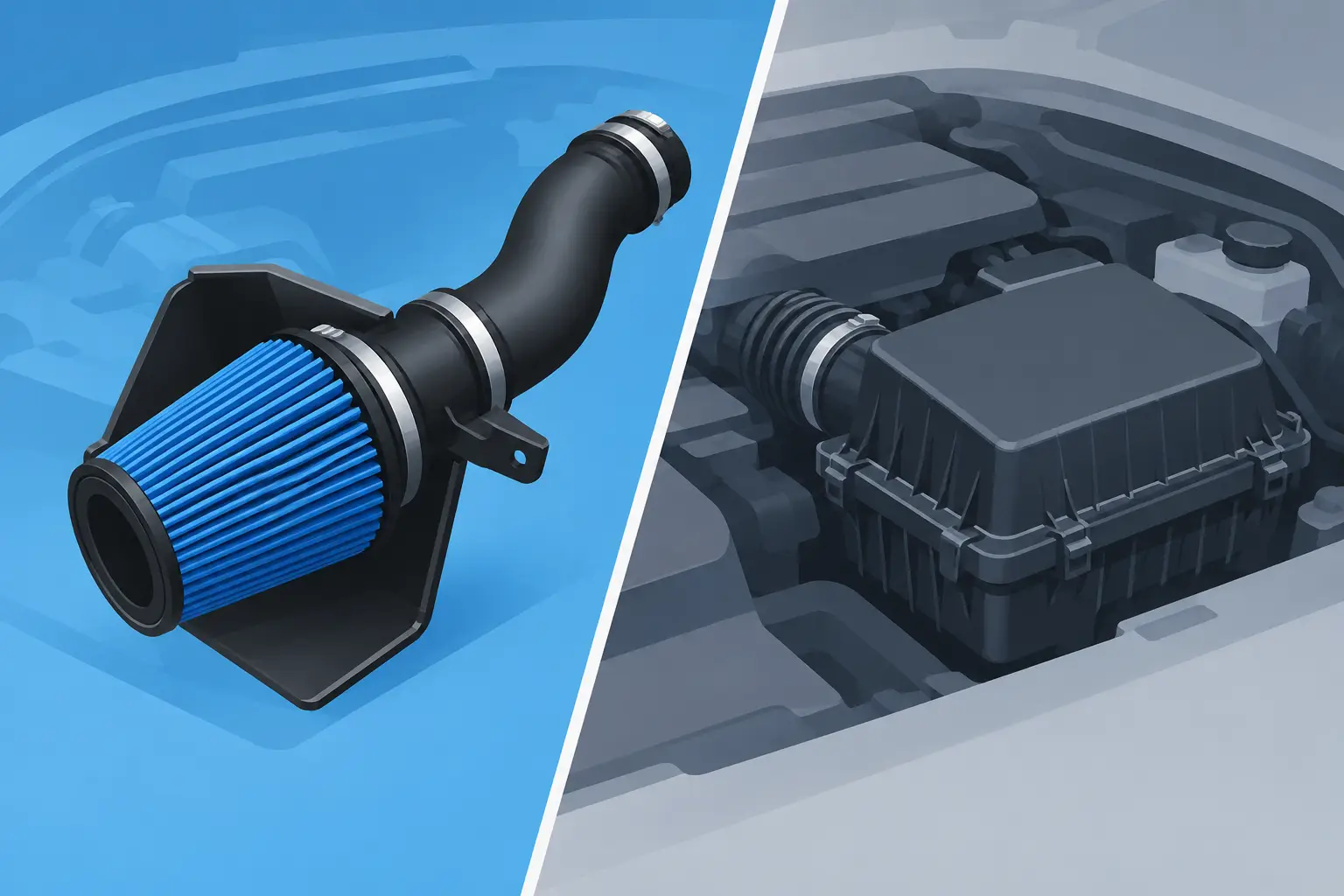
A factory airbox is not automatically a performance problem. It is designed around quiet operation, consistent filtration, packaging, water management, and the power level the manufacturer expects most owners to use. But for drivers who want sharper induction sound, less intake restriction, and a more engaging throttle response, the cold air intake vs stock airbox decision is a worthwhile one.

The right answer depends on your vehicle, how you drive it, and what you expect from an upgrade. A well-engineered intake can improve airflow and make an engine feel more responsive. A stock airbox can remain the smarter choice when maximum noise control, factory appearance, or demanding wet-weather use matters most. The key is to compare the complete system, not just the filter shape.

Cold Air Intake vs Stock Airbox: The Core Difference

A stock airbox is an enclosed plastic housing that holds a replaceable panel filter. It typically draws air through a snorkel or duct positioned away from the hottest areas of the engine bay. Automakers tune its internal volume, duct length, and resonators to control intake noise while delivering stable airflow in heat, rain, traffic, and long service intervals.

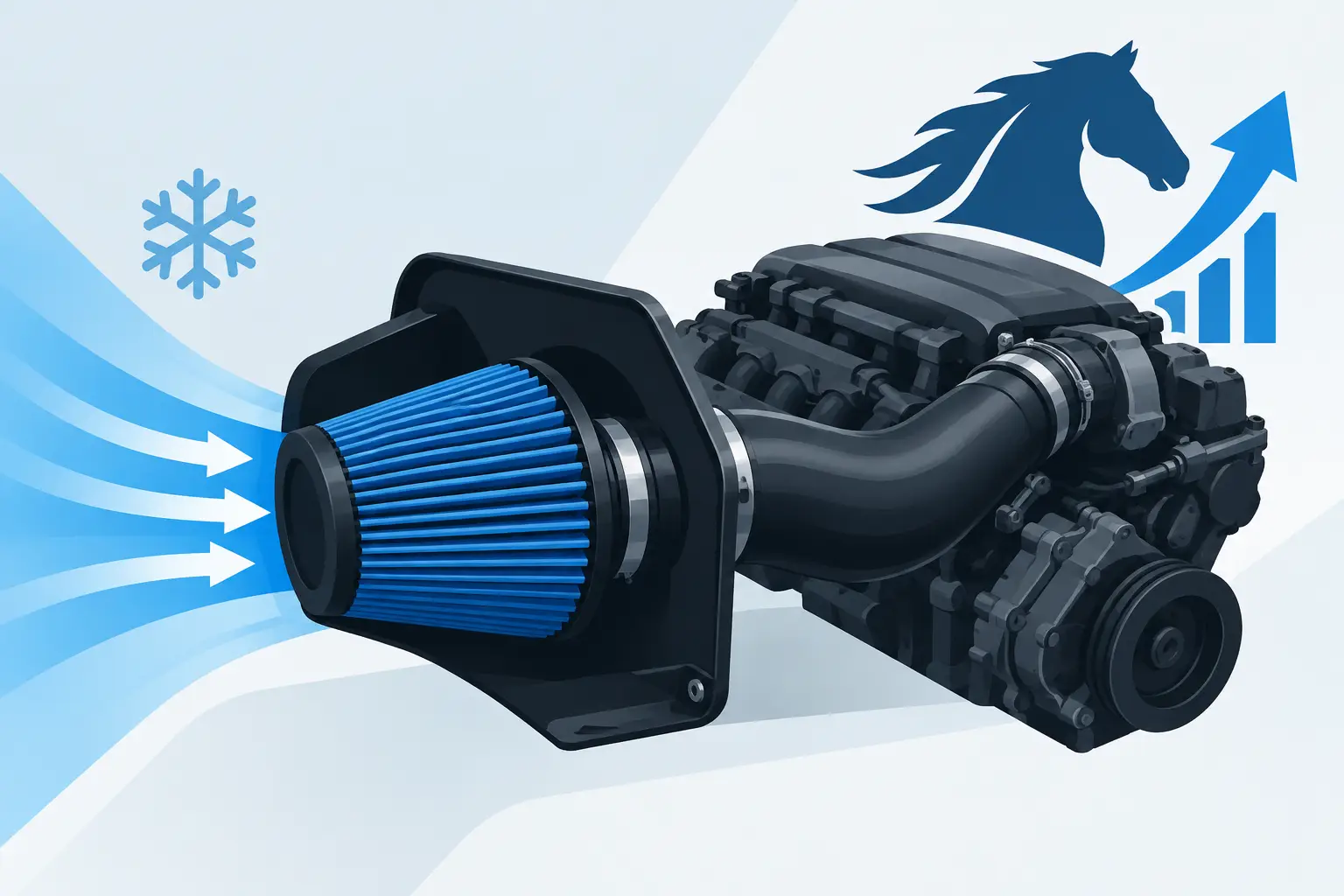
A cold air intake replaces some or all of that factory tract. Depending on the application, it may use a larger conical filter, smoother intake tube, heat shield, enclosed airbox, or a combination of these components. Its purpose is to reduce restrictions between the outside air source and the throttle body or turbo inlet while maintaining effective filtration.

The name can be misleading. Not every aftermarket intake places the filter far from engine-bay heat, and not every open-filter system consistently receives colder air than the factory setup. Intake design, sealing, duct routing, and the vehicle’s movement all determine the air temperature the engine actually sees.

Airflow and Power: Where an Intake Can Help

An engine is an air pump. If it can draw air through the intake path with less restriction, it may be able to make more power, particularly at higher engine speeds or under load. That is the basic case for a high-flow replacement filter or complete intake system.

The factory airbox is often sufficient for a completely stock daily driver. Modern manufacturers must meet durability, emissions, noise, and cost targets, however, so they may use narrow ducts, resonators, or dense disposable filter media that prioritize refinement over maximum flow. On naturally aspirated engines, the gains from an intake are commonly modest but noticeable in throttle feel and sound. Turbocharged engines can respond differently because reducing restriction ahead of the turbo may improve how efficiently the compressor draws air.

Do not judge results by a peak horsepower figure alone. A properly designed intake should support smooth, repeatable airflow across the rev range. The most satisfying upgrades often improve response when pulling away, overtaking, or accelerating out of a corner, even when the maximum dyno number is not dramatic.

A high-flow panel filter installed in the original airbox can be a practical middle ground. It retains factory ducting and water protection while replacing a restrictive disposable element with washable, reusable filter media. For many commuters and fleet vehicles, that is the most balanced first step.

Heat matters, especially at low speed

Cooler intake air is denser, which gives the engine more oxygen for combustion. That is why a sealed system that draws from a factory cold-air feed can be preferable to an exposed filter sitting beside a hot exhaust manifold.

At cruising speed, airflow through the engine bay can reduce the disadvantage of an open design. At idle, in slow traffic, or after a heat soak, underhood temperatures rise and an exposed filter can ingest warmer air. The engine management system can compensate, but the immediate performance feel may vary with conditions.

Look for an intake that uses a heat shield, a sealed enclosure, or a direct path to a cool external air source. A larger filter alone does not guarantee cooler, denser intake air.

Filtration and Engine Protection Come First

More airflow is only valuable when filtration remains dependable. Dust, fine grit, and other airborne contaminants can accelerate wear if they reach cylinders, turbocharger compressors, sensors, or oil. This matters in daily use, on construction-adjacent routes, during haze conditions, and for motorcycles, ATVs, and equipment operated in dusty environments.

The stock paper filter is effective, inexpensive upfront, and simple to replace. Its drawback is that it is disposable. Over the life of a vehicle, repeated replacements add cost and send more material to landfill.

A quality washable oiled-cotton filter is engineered to balance airflow with contaminant capture. The filter must be cleaned and re-oiled correctly at the recommended interval. Too little oil can compromise filtration performance, while excessive oil can create avoidable issues around sensitive airflow sensors. Follow the product instructions rather than guessing by appearance.

K&N’s High-Flow Air Filter platform is built around this ownership model: reusable oiled-cotton filtration that can provide long-term service when maintained correctly. For drivers who keep a vehicle for years, the ability to clean and reuse the filter can make a performance-oriented choice more economical and less wasteful.

Sound and Driving Character

This is where many owners feel the upgrade immediately. A stock airbox uses resonators and baffles to suppress intake sound. It keeps the cabin quiet, which suits relaxed commuting and long highway drives.

A cold air intake often makes the engine more audible under throttle. Naturally aspirated vehicles may develop a deeper induction growl. Turbocharged engines may reveal more spool, bypass-valve, or compressor sound. Motorcycles and powersports applications can feel even more direct because the rider is physically closer to the intake.

That sound is not proof of extra power, but it can make the vehicle feel more responsive and enjoyable. Be honest about your preference. If you want a quieter cabin or regularly carry passengers who value refinement, a reusable panel filter in the stock airbox may deliver better value than a louder open intake.

Installation, Fitment, and Electronics

The best intake is the one engineered for your exact year, make, model, engine, and market specification. Small differences in sensor placement, duct routing, battery location, and emissions equipment can make a universal solution a poor fit.

A vehicle-specific kit should position the filter securely, provide the required brackets and couplers, and accommodate mass airflow, intake air temperature, or breather connections where applicable. Poorly fitted intake pipes can leak unmetered air, rub against components, or loosen over time. Any of these problems can trigger warning lights or create inconsistent drivability.

Before fitting an intake, inspect the existing system. Cracked hoses, a damaged airbox lid, loose clamps, or an overdue filter replacement can reduce performance on their own. After installation, ensure every clamp is tight, every sensor connector is secure, and the filter has enough clearance from hot and moving components.

For vehicles still covered by warranty or subject to local emissions and inspection requirements, confirm the product is appropriate for your application. A good upgrade should not require you to accept avoidable compromises in legality, reliability, or serviceability.

Water Risk Is Real, but Context Matters

A common concern is hydrolock – severe engine damage caused when a running engine ingests enough water that the cylinders cannot compress it. This is not a routine risk from normal rain. The concern rises when an intake relocates the filter low in the bumper area and the vehicle is driven through deep standing water.

The stock airbox is usually mounted higher in the engine bay and often has drainage provisions. That gives it an advantage for owners who regularly encounter flooded roads, water crossings, or off-road conditions. A sealed aftermarket airbox that retains a high filter location can offer a more sensible compromise than a low-mounted cold-air design.

If your route includes frequent heavy rain and pooled water, prioritize filter placement and enclosure design over marketing language. Never drive through water that approaches the intake’s potential pickup point, regardless of which system you use.

Cost Over Time: Disposable Versus Reusable

The stock route has the lowest immediate cost: buy a paper filter, install it, and discard it at the next service interval. It is simple and predictable.

A reusable replacement filter costs more initially, while a complete intake costs more again because it includes tubing, mounting hardware, shields, and a larger filter assembly. The long-term value changes when the filter can be cleaned and reused instead of replaced repeatedly. For high-mileage drivers, enthusiasts who service their own vehicles, and operators maintaining several engines, that can be meaningful.

Do account for cleaning supplies and maintenance time. Reusable filtration is not maintenance-free. It rewards owners who will inspect the filter, clean it when needed, allow it to dry fully, and apply oil evenly when specified.

Which Setup Should You Choose?

Keep the stock airbox with a quality replacement panel filter if you want factory-like noise levels, straightforward servicing, strong water protection, and a reusable alternative to disposable paper elements. This choice makes particular sense for daily drivers, work vehicles, and owners who want improved filtration value without changing the engine bay layout.

Choose a complete cold air intake when you want a more aggressive intake sound, potential airflow improvement, and a visible performance upgrade designed for your specific vehicle. Favor enclosed or well-shielded designs when stable intake temperatures and all-weather practicality are priorities.

The smartest upgrade is not necessarily the largest filter or loudest system. It is the one that fits correctly, protects the engine, suits the conditions you drive in, and gives you a result you will appreciate every time you press the throttle. Start with your vehicle’s exact application, then choose airflow and filtration you can trust for the miles ahead.

Posted on

Cold Air Intake Horsepower Gains Explained

Cold Air Intake Horsepower Gains Explained

A factory airbox is designed to balance cost, noise control, filtration, packaging, and performance. That balance can leave power on the table when an engine needs more airflow at higher rpm. Real cold air intake horsepower gains come from reducing intake restriction and supplying the engine with cooler, denser air – but the result is never a single number that applies to every vehicle.

For a daily driver, the first difference may be sharper throttle response and a more purposeful intake sound. For a turbocharged car, truck, or performance motorcycle, improved airflow can support stronger power gains when the rest of the engine setup can use it. The right expectations start with understanding what an intake system actually changes.

How a Cold Air Intake Can Add Power

An internal-combustion engine needs air, fuel, compression, and spark to make power. When the throttle opens, the engine draws air through the filter, intake tube, mass airflow sensor or manifold pressure sensor, throttle body, and intake manifold. Any unnecessary restriction in that path can limit the air available to the cylinders.

A cold air intake replaces selected factory intake components with a larger-flowing filter, smoother tubing, and a revised filter location or heat shield. The goal is to reduce pressure loss while keeping the incoming air as cool as practical. Cooler air is denser, so it contains more oxygen in a given volume. With the correct fuel delivery and ignition strategy, that oxygen allows the engine to produce more torque.

The filter matters as much as the tube. A high-flow, washable oiled cotton filter is engineered to capture contaminants while allowing the engine to breathe efficiently. That balance is critical. More airflow is useful only when the filtration media and intake design continue to protect the engine from damaging dirt and debris.

Why the Biggest Changes Happen at Higher Load

At idle and light cruising speeds, the engine uses relatively little air. A less restrictive intake may feel smoother, but it is unlikely to create a dramatic measurable increase in power. The intake becomes more relevant at wide-open throttle, higher rpm, towing load, or hard acceleration, when airflow demand rises quickly.

This is why dyno-tested gains are often measured near the upper part of the rev range. The engine is working hard enough for the factory intake restriction, air temperature, and intake geometry to make a meaningful difference. A system designed for a specific vehicle can improve the airflow path without creating turbulence that confuses factory sensors.

What Cold Air Intake Horsepower Gains Are Realistic?

For a naturally aspirated street vehicle, modest gains are the realistic expectation. Depending on the engine, factory intake design, ambient conditions, and calibration, an intake may add a few horsepower or potentially more where the original system is particularly restrictive. The improvement in throttle response and induction sound can feel larger than the peak horsepower figure.

Turbocharged and supercharged engines often have greater airflow potential, but the answer still depends on the complete setup. An intake can reduce restriction before the turbocharger, helping it draw air more easily. Yet the engine control unit, turbo size, intercooler efficiency, exhaust flow, fuel quality, and tune all influence the final result. An intake alone does not turn a stock vehicle into a fully modified build.

Published performance figures should always be read in context. Dyno results can vary with temperature, humidity, fuel, tire condition, transmission behavior, and the type of dynamometer used. A back-to-back test on the same vehicle, on the same day, is far more useful than comparing numbers from unrelated tests.

Horsepower Is Only Part of the Driving Experience

Peak horsepower is easy to market, but torque delivery is what many drivers notice first. If the engine reaches useful airflow more efficiently, it may feel more responsive when pulling away, passing, climbing, or accelerating onto a highway. A well-designed intake can also make the engine sound more immediate under throttle without affecting normal cruising manners.

For vehicle owners in hot, humid climates, intake air temperature deserves extra attention. Underhood heat can build quickly in slow traffic. An enclosed airbox, properly positioned heat shield, and fresh-air feed can help limit exposure to hot engine-bay air. A filter placed openly beside a hot exhaust manifold may look aggressive, but it is not automatically the best path to repeatable performance.

What Determines Your Actual Gain?

The vehicle itself is the largest variable. Some manufacturers fit roomy, efficient factory intake systems, leaving limited room for improvement. Others use restrictive inlet paths, narrow resonators, or compact paper filters that can become a bottleneck at high engine speeds.

Engine calibration is equally important. Modern vehicles continuously adjust airflow, fueling, and ignition based on sensor readings. A correctly engineered intake is designed to work with those controls. On some applications, the factory calibration can adapt to the improved airflow. On others, a tune may be necessary to extract the full potential of additional air-moving parts.

Consider these factors before setting a horsepower target:

  • Engine type: Naturally aspirated, turbocharged, supercharged, gasoline, and diesel engines respond differently.
  • Factory intake design: A restrictive stock system generally offers more opportunity than an already efficient one.
  • Supporting modifications: Exhaust upgrades, intercooling, tuning, and throttle-body changes can alter the intake’s value.
  • Operating conditions: Heat, humidity, elevation, and repeated stop-and-go use affect air density and consistency.
  • Installation quality: Loose clamps, air leaks, misrouted sensors, and poorly sealed heat shields can reduce results or trigger warning lights.

The best approach is application-specific. Avoid universal intake parts unless they are intended for your exact engine and installation space. A vehicle-specific system accounts for sensor placement, hood clearance, mounting points, filter location, and the airflow characteristics the engine management system expects.

The Trade-Offs to Consider Before Installing

More intake sound is a benefit for many enthusiasts and a drawback for some commuters. Under acceleration, a high-flow intake often makes induction noise more noticeable. That sound is not proof of a large power increase, but it can make the vehicle feel more engaging.

Maintenance is another consideration. Washable, reusable filters can reduce the stream of disposable filters sent to landfill and can offer long-term value. They still require correct service intervals and the proper cleaning procedure. Over-cleaning, using unsuitable chemicals, or applying excessive filter oil can create avoidable issues. Follow the service guidance for your driving environment, especially if the vehicle operates on dusty roads, worksites, trails, or industrial areas.

Water exposure should also be taken seriously. A filter located lower in the engine bay may access cooler air, but it can be more vulnerable to deep standing water. Drivers who regularly encounter flooded roads should choose a system with sensible filter placement and use caution in severe weather. No intake modification changes the basic rule: do not drive through water that could reach the engine’s air inlet.

Choosing an Intake That Delivers More Than Noise

Look for a system built around your exact year, make, model, and engine. The strongest designs use properly sized tubing, secure brackets, heat management, durable couplers, and filter media that supports both airflow and contaminant control. Fitment is not a minor detail. It determines whether the system seals correctly, clears moving components, and maintains dependable sensor operation.

It is also worth separating a replacement air filter from a full cold air intake. A high-flow replacement filter fits inside the original airbox and can be an efficient first upgrade for drivers who want reusable filtration with minimal changes. A complete intake system replaces more of the airflow path and is generally the better choice when the goal is maximum airflow improvement, stronger induction character, and application-specific performance potential.

K&N intake systems and high-flow filters are built around this principle: improve the engine’s breathing without treating filtration or fitment as an afterthought. Select the correct application, install it carefully, and service the filter as recommended.

Install for Consistent Results

Before installation, inspect the factory intake path for cracked hoses, loose clamps, or existing fault codes. An intake upgrade cannot correct an unrelated ignition, fueling, boost, or sensor problem. Install with a cool engine, retain every required sensor and vent connection, and confirm that clamps are tight without being overtightened.

After installation, start the engine and listen for unusual hissing that may indicate an air leak. Check that the intake tube does not rub against sharp edges or hot components. Then drive normally long enough for the vehicle’s control system to adapt. If a warning light appears, recheck connector engagement, sensor orientation, and every joint in the intake tract before assuming the part is at fault.

A cold air intake is most rewarding when it matches the vehicle and the way you use it. Choose a properly engineered system, keep the filter maintained, and let measurable airflow improvements support the sharper response and stronger pull you expect from your engine.

Posted on

Is a Washable Reusable Cabin Air Filter Worth It?

Is a Washable Reusable Cabin Air Filter Worth It?

A washable reusable cabin air filter is a practical upgrade for drivers who are tired of treating every HVAC service as another disposable-parts purchase. It can help maintain cleaner airflow through the climate-control system while cutting the number of filters sent to the trash over the life of the vehicle. The value is real, but only when the filter fits correctly and is cleaned on schedule.

Unlike the engine air filter, which protects the engine from intake contaminants, the cabin air filter protects the air moving through the heating, ventilation, and air-conditioning system. It sits in the airflow path before air reaches the vents, helping capture dust, road debris, and other airborne particles that can accumulate around the blower and evaporator.

What a washable reusable cabin air filter does

Your cabin filter works every time the fan is running, whether you are using outside air or recirculation mode. Over time, a conventional disposable filter collects contaminants and can become restrictive. A loaded filter may contribute to weaker airflow from the vents, longer defogging times, and a musty smell when the air-conditioning system is switched on.

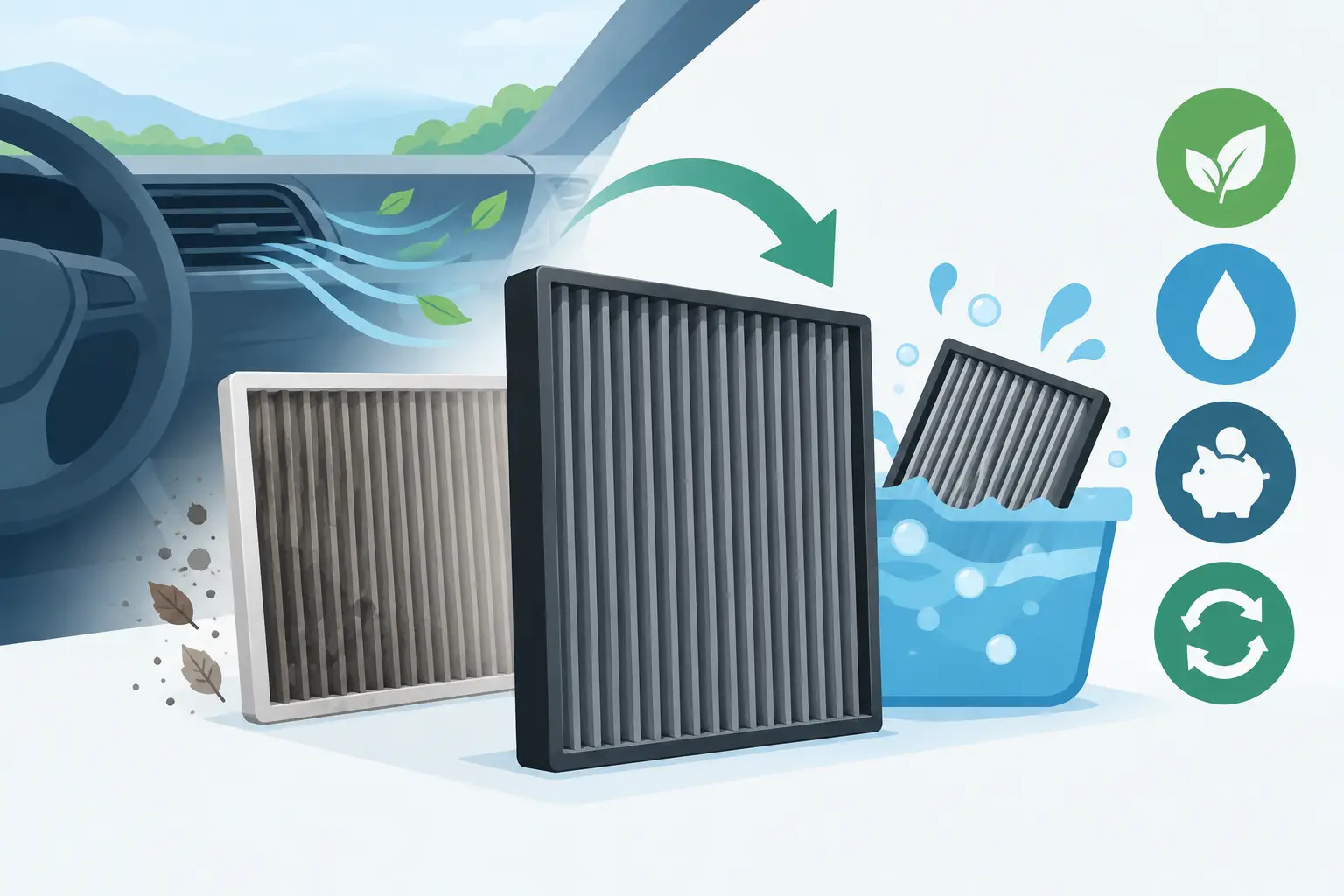
A washable reusable cabin air filter is built to be removed, cleaned, dried, and reinstalled rather than discarded at every service interval. The goal is straightforward: restore usable airflow and filtration performance without repeatedly buying and throwing away a replacement element.

For daily commuters, this means one less consumable item to track. For owners who keep vehicles for years, run multiple vehicles, or prefer to handle basic maintenance themselves, the savings and reduced waste can become meaningful. K&N has built its reputation around reusable filtration technology that gives vehicle owners a serviceable alternative to single-use filters.

Why cabin filter condition matters more than most drivers think

The cabin filter does not add horsepower or torque. Its job is different, but it still affects the ownership experience every time you drive. A clean filter supports the airflow your HVAC system needs to cool, heat, ventilate, and clear the windshield efficiently.

When airflow drops, drivers sometimes assume the blower motor or air-conditioning system has failed. In some cases, the simpler issue is a filter packed with dust, leaves, fine debris, and urban road grime. Replacing or cleaning the filter can be one of the fastest ways to address reduced vent output, provided there is no deeper mechanical fault.

There is also a protection angle. Debris that gets past a damaged, improperly fitted, or missing cabin filter can settle in HVAC components. Keeping the filter in serviceable condition helps reduce the buildup that contributes to unpleasant odors and unnecessary cleaning work later.

The reusable advantage: value, waste reduction, and serviceability

Disposable cabin filters are convenient because replacement is simple. Remove the old filter, install a new one, and move on. That convenience is useful for drivers who do not want to clean parts or wait for a filter to dry.

A reusable option trades some of that convenience for long-term serviceability. Instead of repeatedly purchasing filter media and a new frame, you maintain the same filter. If you are committed to routine vehicle care, that can lower replacement costs over time and keep fewer used filters out of landfills.

The economics depend on three things: the initial purchase price, how long you keep the vehicle, and how consistently you maintain the filter. A reusable filter is usually a stronger value proposition for a long-term owner than for someone planning to sell the vehicle in a few months. It also makes sense for enthusiasts who already clean their engine air filter, inspect fluids, and take care of their vehicles between workshop visits.

Choose the correct fitment before anything else

Cabin filter access and dimensions vary widely. Some filters slide out behind the glove compartment; others sit under the cowl, behind a trim panel, or in a more involved housing. Do not assume that two vehicles with similar engines use the same cabin filter.

Confirm the year, make, model, engine, and, where applicable, the trim level or chassis code. Pay attention to airflow direction markings. Installing a cabin filter upside down can compromise its fit and may affect how it handles debris. The filter should sit flat in its housing with no folded edges, open gaps, or forced cover panels.

A washable filter must be designed specifically for your cabin-filter housing. Do not attempt to wash and reuse a standard disposable paper filter. Once its media has been saturated, distorted, or weakened, it may no longer filter or seal as intended.

How to clean a reusable cabin filter properly

Service instructions vary by filter design, so the product-specific directions always take priority. Still, the basic process is consistent: remove the filter carefully, clear loose debris, wash it with an approved cleaner if required, rinse it gently, and allow it to dry completely before reinstalling it.

Avoid high-pressure water, aggressive brushes, compressed air at close range, or household chemicals not approved for the filter. These can damage filter media, separate bonded layers, or leave residues that you do not want circulating through the cabin.

Drying matters. Reinstalling a damp cabin filter can introduce unwanted moisture into the HVAC system and encourage odors. Plan the job when the vehicle can sit with the filter removed, or keep a temporary replacement on hand if you need to drive before the cleaned filter is fully dry.

After installation, run the fan at several speeds and check that the glove box, access panel, or cowl cover is properly secured. If airflow is still weak, inspect for blocked vents, blower issues, debris in the housing, or an HVAC fault beyond the filter itself.

When should you service it?

There is no single mileage number that suits every vehicle. Filter loading depends on where and how you drive. A car used mainly on clean highways may go longer between inspections than one used in dense traffic, near construction areas, on dusty roads, or in regions with frequent haze and heavy rainfall.

A good habit is to inspect the cabin filter during regular oil-service intervals or at least twice a year. Check it sooner if you notice a sudden drop in vent airflow, visible debris around the filter area, lingering odors, or a windshield that takes longer than usual to clear.

Recirculation mode can reduce the volume of outside contaminants entering the cabin, but it does not eliminate the need for filter service. Dust and debris can still collect, especially when the system is used often.

Understand the trade-offs before you buy

A washable reusable cabin air filter is not automatically the best option for every driver. If you want the quickest possible service with no cleaning or drying time, disposable filters remain the simpler route. If a vehicle is exposed to unusual contamination, such as heavy smoke, floodwater, chemical odors, or biological growth, replacement may be more appropriate than cleaning.

Drivers with severe allergies should also consider their specific needs. Not all cabin filters provide the same level of odor control or fine-particle filtration. Some disposable designs use activated carbon or specialized media aimed at particular airborne contaminants. Compare the filtration characteristics of the exact filter, not just whether it is reusable.

The best choice is the one that matches your driving environment, maintenance habits, and expectations for cabin-air quality. Reusability is valuable, but only when it does not compromise the filtration features you need.

Make cabin filter service part of smarter vehicle care

A clean, correctly fitted cabin filter is a small component with an everyday impact. It supports better HVAC airflow, helps keep debris out of the system, and can make routine maintenance less wasteful. For owners who prefer durable, serviceable parts, a washable reusable cabin air filter can be a smart long-term fit.

Before your next service, check the filter behind the glove box or in the HVAC housing. If it is dirty, damaged, or overdue for attention, addressing it now can make every drive feel cleaner, fresher, and better maintained.

Posted on

How Long Do Washable Air Filters Last for Cars?

How Long Do Washable Air Filters Last for Cars?

A disposable engine air filter is a recurring maintenance item. A quality washable filter is a long-term component – but only when it is cleaned and oiled correctly. So, how long do washable air filters last? For most passenger vehicles, motorcycles, trucks, and powersports applications, a properly maintained washable air filter can last for the life of the vehicle.

That does not mean it should be ignored for years at a time. Its usable life depends on the filter media, the quality of the seal and frame, the environment you drive in, and the way it is serviced. Clean it too aggressively, use the wrong chemicals, or over-oil it, and even a durable filter can lose performance. Maintain it properly, and it can provide years of dependable airflow and contaminant protection while reducing the stream of disposable filters sent to landfill.

How Long Do Washable Air Filters Last in Real Use?

A high-quality reusable oiled-cotton air filter is designed to be washed, re-oiled, and refitted many times. Unlike paper media, which is generally replaced once it becomes loaded with dirt, cotton-gauze media can be restored when service is due. In normal road use, that makes its potential service life measured in years rather than a single maintenance interval.

For a daily-driven car in relatively clean urban conditions, a washable filter may need cleaning only after roughly 50,000 miles or as directed for its specific application. That is a service interval, not an expiration date. After cleaning, drying, and re-oiling, the filter goes back to work.

The realistic answer is therefore not a fixed number of years. A washable air filter can remain in service for the vehicle’s life if its filter media, rubber sealing surfaces, frame, and mounting points stay in good condition. This is one reason reusable filtration makes sense for owners who plan to keep their vehicle, ride regularly, or manage several vehicles or pieces of equipment.

What Determines Filter Service Life?

Road conditions matter more than the calendar. A vehicle that spends most of its time on paved Singapore roads and highways will load its filter differently from an ATV used on dusty trails, a work truck operating near construction sites, or a motorcycle ridden on unsealed roads. Fine dust, sand, heavy traffic grime, pollen, insects, and moisture all affect how quickly the filter needs attention.

Engine demand also plays a part. Turbocharged engines, performance builds, high-mileage commuting, towing, and frequent stop-and-go driving can move a large volume of air through the intake. That does not automatically shorten the filter’s overall lifespan, but it can mean more frequent inspections and cleaning.

Fitment is equally important. An air filter that does not seal correctly can allow unfiltered air to bypass the media, which defeats the purpose of fitting a premium filter in the first place. Always confirm the correct part for the exact year, make, model, engine, and intake configuration. A correctly fitted filter protects where it counts: at the point where outside air enters the engine.

Cleaning Interval vs. Replacement Interval

It is easy to confuse cleaning with replacement. A washable filter should be cleaned when it has accumulated enough contamination to justify service, not simply because a certain number of months has passed.

Inspect the filter during routine maintenance or whenever you are working in the airbox. A visible gray or darkened appearance alone does not necessarily mean it is overdue. Oiled cotton filters can continue to filter effectively while looking used. The better signs are a significant buildup of debris, restricted-looking media, a clear reduction in airflow from heavy contamination, or the manufacturer’s recommended service interval for your usage conditions.

Replace the filter only if it is physically damaged. Look for tears, holes, separated layers of media, cracked frames, hardened or damaged sealing surfaces, or evidence that it no longer sits securely in the airbox. If the filter is structurally sound, washing and re-oiling it is normally all that is required.

Proper Care Is What Makes a Reusable Filter Last

A washable filter is not difficult to maintain, but the process needs to be done with the right products and a little patience. The goal is to remove dirt without damaging the cotton media, then apply the correct amount of filter oil so the media can capture contaminants effectively while maintaining strong airflow.

Use a dedicated air filter cleaner rather than gasoline, harsh degreasers, compressed air, or household detergents. Aggressive chemicals can damage the filter material and sealing compounds. Compressed air may force dirt deeper into the media or create tears that are not immediately obvious.

Apply cleaner as directed, allow it to work, then rinse from the clean side outward with low-pressure cool water. Rinsing in that direction helps push loosened dirt away from the filter instead of driving it into the media. Let the filter air-dry naturally. Do not install it damp, and do not speed up drying with a heat gun, hair dryer, oven, or direct high heat.

Once fully dry, apply the correct filter oil evenly and sparingly. The oil is part of the filtration system, not an optional extra. It helps the cotton media capture fine contaminants while preserving the airflow advantage that enthusiasts want from a high-flow filter. Too little oil can reduce filtration efficiency; too much can affect airflow and may contaminate intake components in some applications. Let the oil wick through the media before reinstalling, then touch up only any clearly light areas.

Signs Your Washable Air Filter Needs Attention

You do not need to remove the filter every week, but a few practical warning signs are worth watching. Reduced throttle response, unusual intake restriction, a noticeable layer of dirt across the media, or operation in exceptionally dusty conditions can all justify an inspection.

For off-road bikes, ATVs, construction equipment, marine engines, and vehicles used near unpaved worksites, inspection should happen far more often than it would for a city commuter. In these applications, waiting for a broad mileage guideline can be too long. The filter is protecting a hard-working engine from a much heavier contaminant load.

If the vehicle has a check-engine light, rough running, or poor fuel economy, do not assume the air filter is the cause. Intake leaks, sensor issues, ignition problems, fuel delivery faults, and other maintenance needs can produce similar symptoms. Check the filter, but diagnose the vehicle properly rather than cleaning parts at random.

Are Washable Filters Worth It for Daily Drivers?

For owners who keep a vehicle long enough, the value is straightforward. A reusable filter can eliminate repeated purchases of disposable replacements, reduce maintenance waste, and provide sustained airflow when maintained correctly. It is especially appealing for drivers who care about sharper acceleration and for enthusiasts who have upgraded an intake system.

There is a trade-off: a disposable filter is quick to replace, while a reusable unit requires a proper cleaning and drying window. If you need your vehicle immediately, plan the service around a time when the filter can dry completely. Some fleet operators and serious enthusiasts keep a spare filter on hand to avoid downtime.

K&N washable air filters use oiled cotton media engineered for repeated service, giving owners a practical route to long-term protection and performance without treating the air filter as a throwaway part. The key is following the cleaning instructions for the exact filter and application.

A washable air filter earns its long service life through correct care. Inspect it based on where and how you drive, clean it only when it needs service, and replace it only if damage is found. That approach keeps clean air moving toward the engine and helps your vehicle deliver the responsive, protected performance you expect every time you drive or ride.

Posted on

Are Washable Air Filters Worth It for Your Vehicle?

Are Washable Air Filters Worth It for Your Vehicle?

A disposable air filter can look inexpensive at the counter, but the real ownership cost adds up every time it is replaced and thrown away. So, are washable air filters worth it? For drivers and riders who plan to keep their vehicle, perform routine maintenance correctly, and want a reusable filtration solution, they can be a smart long-term upgrade.

The answer is not simply about buying a filter once and never thinking about it again. A washable air filter needs periodic cleaning and correct re-oiling. In return, it can provide years of service, reduce disposable-filter waste, and support the airflow your engine needs. Whether that is worthwhile depends on your vehicle, your driving conditions, and how hands-on you want to be with maintenance.

Are Washable Air Filters Worth It in Real Ownership?

For many owners, the strongest argument is simple: reuse. A quality washable, reusable air filter is designed to be cleaned and reinstalled rather than discarded at every service interval. Over the life of a vehicle, that can mean fewer replacement filters purchased and fewer used filters sent to landfill.

That value becomes clearer for owners who keep vehicles for several years, cover high mileage, or operate motorcycles, trucks, powersports machines, or equipment in dusty conditions. Disposable filters may cost less upfront, but recurring replacements can eventually exceed the initial cost of a reusable filter.

Washable filters also appeal to people who care about how their vehicle responds. A well-designed high-flow filter uses filtration media engineered to capture harmful contaminants while allowing air to move efficiently. Since an engine needs air, fuel, and spark to produce power, reducing unnecessary intake restriction can help support responsive acceleration and strong engine performance.

The result will vary. A filter alone will not transform every stock vehicle into a race car, and it should not be sold as a miracle modification. But when a factory filter is restrictive, dirty, or due for replacement, a reusable high-flow option can be a practical upgrade that combines protection, serviceability, and airflow.

How Washable Oiled-Cotton Filters Work

Many washable performance filters use multiple layers of cotton gauze held between aluminum wire screens. The cotton is treated with a measured amount of filter oil. This oil helps the media capture dirt and fine contaminants while the layered construction provides substantial surface area for airflow.

That combination is the point. An engine air filter must do two jobs that can pull in opposite directions: it must protect internal engine components from abrasive dirt while allowing the engine to breathe efficiently. Poor filtration can allow contaminants into the intake tract, where they may contribute to wear. Excessive restriction can limit airflow, particularly when a filter becomes heavily loaded with dirt.

A reusable oiled-cotton filter is built around a serviceable approach. Instead of replacing the entire component, you clean the accumulated dirt from the media, allow it to dry fully, apply the correct amount of oil, and reinstall it. K&N has refined this high-flow oiled-cotton filter technology for more than 50 years across cars, trucks, motorcycles, and specialized engine applications.

The Benefits That Matter Most

The first benefit is long-term value. If you maintain the filter properly and keep the vehicle long enough, reusability can offset its higher initial price. This is especially relevant for families with more than one vehicle, enthusiasts with several bikes, or fleet and equipment operators managing repeat service costs.

The second is reduced waste. Disposable paper filters are designed for a single service life. A washable filter can remain in use for many cleaning cycles, reducing the number of filters that need to be manufactured, packaged, transported, and discarded.

Third is serviceability. A reusable filter lets you inspect the filter media directly. If you ride a dirt bike on dusty trails, drive on unsealed roads, or use equipment around job sites, being able to assess and service the filter can be an advantage. You are not limited to waiting for a standard replacement interval if conditions demand earlier attention.

Finally, there is the performance angle. Efficient airflow matters most when the rest of the intake system can use it. Some vehicles may show a more noticeable improvement in induction sound, throttle response, or acceleration feel than others. An intake system upgrade may deliver a more substantial airflow change than a replacement panel filter alone, but the replacement filter remains an accessible first step for many owners.

The Trade-Off: Maintenance Is Not Optional

A washable filter is only worth it if you are prepared to maintain it. Cleaning is straightforward, but it requires care. You should use a cleaner formulated for the filter media, rinse gently from the clean side outward where applicable, and let the filter air-dry completely. Avoid high-pressure water, compressed air, heat guns, or harsh household chemicals that can damage the cotton media or filter structure.

Correct oiling matters just as much. Apply filter oil evenly and sparingly according to the product instructions. Too little oil can reduce the filter’s intended contaminant-capturing performance. Too much oil can create problems, particularly on vehicles with sensitive mass airflow sensors. The goal is proper coverage, not saturation.

This is where a disposable filter has one clear advantage: convenience. If you prefer a quick replacement with no cleaning, drying, or re-oiling process, a standard disposable filter may suit your routine better. There is nothing wrong with choosing convenience. The better choice is the one you will actually maintain correctly.

When a Washable Filter Makes Sense

Washable air filters are often a strong fit for owners who plan to keep a vehicle beyond its warranty period or for many years, complete their own basic maintenance, and want to reduce recurring replacement waste. They also make sense for enthusiasts who value intake airflow and want a durable upgrade rather than another consumable part.

They can be particularly useful for motorcycles and powersports vehicles, where frequent exposure to dust, trail debris, or changing weather makes filter inspection part of responsible ownership. The same applies to heavy-duty, marine, industrial, and small-engine applications where downtime and repeated service costs matter.

Before purchasing, confirm the exact application. Filter dimensions, sealing surfaces, airbox design, and sensor placement vary by vehicle. A correctly fitted filter is essential. An excellent filter with an improper seal can allow unfiltered air past the media, defeating the reason for installing it in the first place.

When You May Be Better Off With Disposable

A disposable filter may be the more practical choice if you lease a vehicle and will not keep it long enough to recover the initial cost. It may also suit drivers who do not want to service a filter themselves or cannot reliably allow time for cleaning and drying.

For vehicles operating under strict fleet procedures, follow the maintenance requirements set by the fleet manager, engine manufacturer, or equipment provider. If your vehicle remains under warranty, keep service records and use products that fit the application correctly. A washable filter is a quality component, but it is not a substitute for the scheduled maintenance your engine requires.

Get the Best Return From a Reusable Filter

The value of a washable filter comes from using it as intended. Check it during routine service rather than cleaning it simply because a certain number of months has passed. A lightly soiled filter does not always need service, while a vehicle used in heavy dust may need attention sooner.

Use the correct cleaning kit, follow the product-specific instructions, and inspect the filter gasket and airbox sealing surfaces before reinstalling it. Make sure the airbox is free of leaves, grit, and loose debris. These small habits help preserve filtration performance and keep your intake system working as designed.

A washable air filter is not the right choice for every owner, but for the driver or rider who values durable engine protection, reusable performance parts, and less replacement waste, it can pay back long after the first install. Choose the exact fit for your vehicle, maintain it with care, and let every mile get more value from the filter already under your hood.

Posted on

How to Wash Reusable Air Filter the Right Way

How to Wash Reusable Air Filter the Right Way

A reusable air filter earns its value only when it is serviced correctly. Knowing how to wash reusable air filter media protects the high-flow cotton from damage, restores clean airflow, and helps your engine keep receiving the contaminant protection it needs. Rush the job with harsh chemicals, high-pressure water, or too much oil, and you can compromise filtration performance instead of improving it.

For most oiled cotton air filters, cleaning is not a complicated workshop procedure. It is a careful sequence: inspect, clean, rinse, dry, oil, and reinstall. The details matter because the filter is designed to trap dirt within its layered cotton media while maintaining strong airflow for everyday driving, towing, riding, and performance use.

When Should You Clean a Reusable Air Filter?

Do not clean a reusable air filter simply because a mileage number has arrived. Service intervals depend on the vehicle, operating environment, and amount of visible dirt. A commuter driven mainly on clean paved roads may go much longer between services than a motorcycle, off-road vehicle, work truck, or car regularly exposed to construction dust and haze.

Remove the filter and inspect the intake side in good light. When the pleats are visibly loaded with dirt across a broad area, it is time to clean it. Small bugs, leaves, or loose debris around the filter housing do not always mean the media itself needs washing. Cleaning too often is unnecessary, so let the filter’s condition guide the decision.

This advice applies specifically to washable, reusable oiled cotton filters. A disposable paper filter must be replaced, not washed. Some dry synthetic reusable filters also require a different service process and must not be oiled. Always confirm the filter type and follow its product-specific instructions before starting.

What You Need Before You Start

Use an air filter cleaner and air filter oil formulated for your filter media. K&N filter cleaner and oil are designed for K&N High-Flow Air Filters, helping preserve the cotton gauze media and the oil layer that captures contaminants effectively.

You will also need access to cool, low-pressure running water, a clean work surface, gloves if preferred, and enough time for the filter to air-dry completely. Plan this service when the vehicle can stay parked for several hours. Drying is not the stage to rush.

Avoid household degreasers, gasoline, brake cleaner, dish soap, solvent cleaners, and aggressive detergents. These products can strip the filter oil, attack the sealing materials, or leave residues that do not belong in the intake system. Likewise, do not use compressed air, a pressure washer, heat guns, hair dryers, or direct high heat to speed up drying. Force can tear the media or distort rubber and urethane components.

How to Wash Reusable Air Filter Media Step by Step

1. Remove the filter carefully

Switch off the engine and allow the engine bay to cool. Open the air box or intake assembly according to your vehicle’s setup, then remove the filter without knocking loose dirt into the clean intake tract. On motorcycles, powersports equipment, and small engines, pay particular attention to the air box opening.

Before cleaning, examine the filter for split pleats, damaged mesh, loose end caps, hardened seals, or punctures. Dirt should never bypass the filter. If the filter is physically damaged, replacement is the correct answer.

2. Remove loose surface debris

Gently tap the filter against your palm or use a soft brush around the frame to remove loose leaves and larger debris. Do not scrape the cotton, force a brush into the pleats, or bang the filter against a hard surface. The goal is to clear loose material, not to drive embedded dirt deeper into the media.

3. Apply the correct filter cleaner

Spray the cleaner generously over the dirty side of the filter, covering the pleats evenly. Let it soak for around 10 minutes so it can loosen accumulated dirt and old oil. Keep the filter out of direct sun during this stage, and do not allow the cleaner to dry on the media.

A heavily soiled filter may need a second application after rinsing. That is better than increasing water pressure or using a stronger chemical.

4. Rinse from the clean side out

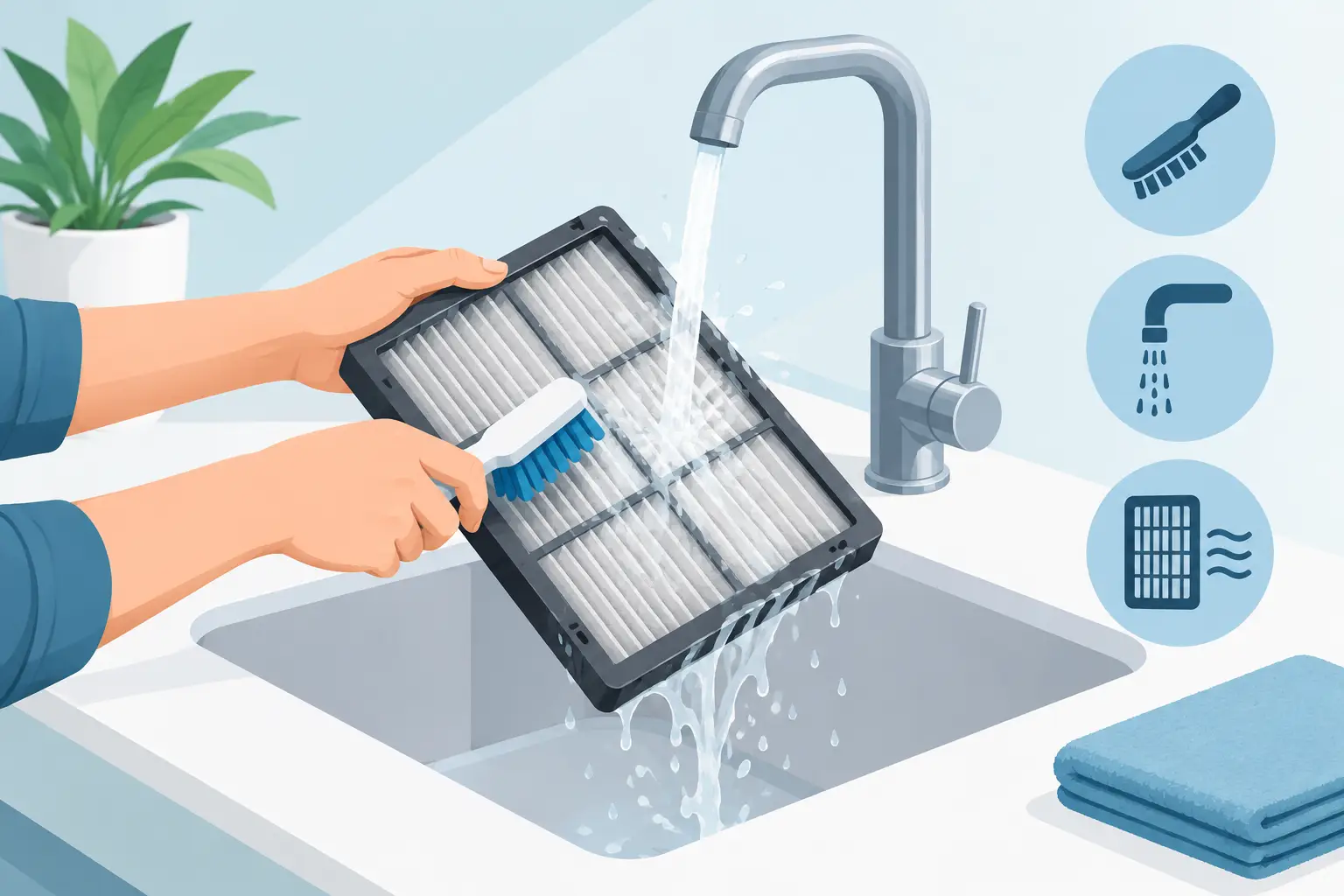
Rinse with cool, low-pressure water from the clean side of the filter toward the dirty side. This direction pushes contaminants out of the same side they entered, rather than forcing them further into the cotton layers.

Work slowly across each pleat until the water runs clear. Never use a high-pressure nozzle. Strong water pressure can separate cotton fibers, damage wire mesh, and create paths that reduce filtration control.

5. Let the filter dry naturally

Shake off excess water, then place the filter in a clean area to air-dry naturally. Position it so air can circulate around the media, but keep it away from direct heat and dust. Depending on humidity and filter size, drying can take several hours.

Do not install or oil a damp filter. Water left in the media can prevent the oil from distributing evenly and may be drawn into the intake after startup. If you need your vehicle immediately, it is better to wait or use a correctly fitted spare filter than to reinstall one that is still wet.

6. Re-oil only after the media is fully dry

Oiled cotton filters require the proper amount of filter oil to capture fine contaminants while supporting high airflow. Apply oil evenly along the crown of each pleat on the dirty side of the filter. The exact application method can vary by product, so use the oil format and directions intended for your filter.

After applying oil, allow it to wick through the cotton for roughly 20 minutes. Inspect both sides of the filter. Any light-colored areas that have not received oil can be touched up sparingly. The media should appear evenly colored, not dripping or saturated.

Over-oiling is a common mistake. More oil does not mean more protection. Excess oil can migrate through the intake, contaminate airflow sensors on certain vehicles, and create an avoidable cleanup job. Apply a controlled, even coat and give it time to distribute.

7. Reinstall and check the seal

Wipe loose dust from the air box and its sealing surfaces with a clean cloth before reinstalling the filter. Do not push debris into the intake tube. Seat the filter correctly, confirm that the gasket or flange is fully sealed, and secure the air box or intake hardware as specified for your vehicle.

Start the engine and listen for any unusual intake noise, whistling, or warning lights. A properly installed filter should sit securely with no gaps around the sealing edge. If your vehicle uses an air flow sensor near the filter, careful oil application and correct installation are especially worthwhile.

Common Cleaning Mistakes That Cost Performance

The biggest mistake is treating a reusable performance filter like a disposable part. Washing it with laundry detergent, blasting it with compressed air, or drying it with heat may feel fast, but it can shorten filter life and affect how it performs.

The second mistake is ignoring the difference between cleaning and re-oiling. Cleaner removes old oil and trapped dirt. Fresh filter oil restores the filter’s intended contaminant-capturing capability. Installing an oiled cotton filter dry leaves it without the oil layer it was engineered to use.

Finally, do not service the filter on a fixed schedule without checking its actual condition. Singapore’s stop-and-go traffic, roadside construction, regional haze, humid weather, and dusty weekend riding conditions can all change what your filter sees. Inspection is more reliable than guesswork.

A Cleaner Filter Supports More Than Airflow

A correctly maintained reusable air filter is a practical upgrade in long-term ownership. It supports consistent airflow, helps defend internal engine components from abrasive contaminants, and eliminates the cycle of repeatedly throwing away disposable filters. For enthusiasts, the benefit is confidence that an intake or replacement filter is being allowed to do its job without unnecessary restriction from accumulated dirt.

Give the filter adequate drying time, use the right cleaner and oil, and reinstall it with care. That small amount of attention helps keep your vehicle ready for the next commute, highway run, workday, or weekend ride.

Posted on

K&N Washable Reusable High Flow Air Filters

K&N Washable Reusable High Flow Air Filters

A clogged paper air filter is easy to overlook until the vehicle starts feeling less responsive. K&N washable reusable high flow air filters offer a different ownership approach: engineered airflow and effective contaminant capture in a filter designed to be cleaned, re-oiled, and used again rather than discarded at every service interval.

For a daily driver, that can mean fewer replacement filters and dependable protection over years of use. For an enthusiast, rider, or equipment operator, it means a high-flow filter platform built to support the way an engine breathes without turning routine maintenance into a recurring parts purchase.

Why Airflow and Filtration Must Work Together

An engine consumes a large volume of air, and that air is only useful when it reaches the combustion process cleanly. Dust, grit, sand, and other airborne contaminants can contribute to premature wear when they pass through the intake tract. At the same time, an air filter that becomes excessively restrictive can limit airflow as it loads with debris.

That is the balance an air filter must manage. It cannot be treated as an accessory that only matters at a scheduled service. The right filter is a protection component, but it also plays a role in throttle response, acceleration, and the character of the vehicle under load.

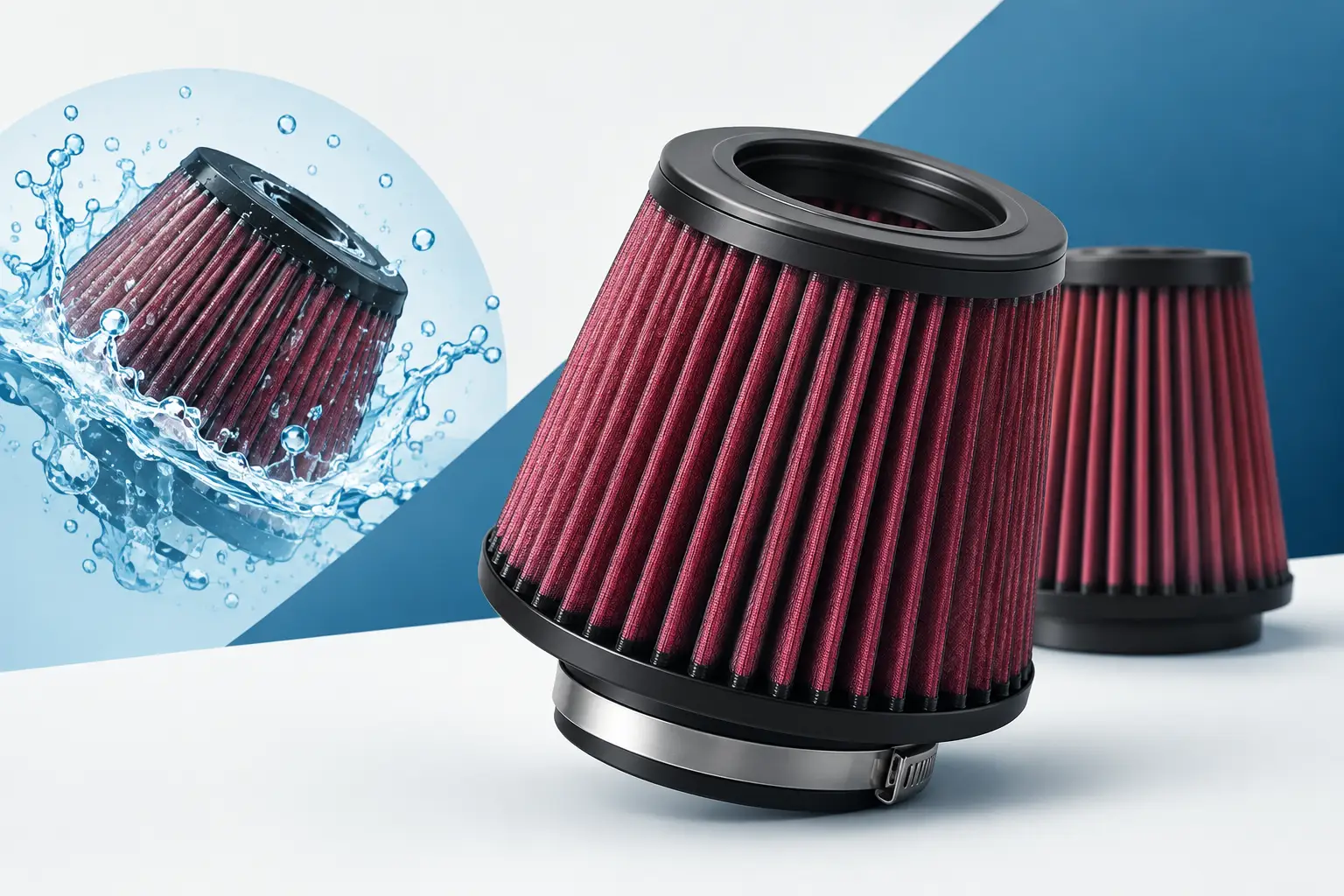
K&N High-Flow Air Filters use specially engineered, oiled cotton filter media. The multiple layers of cotton are designed to capture contaminants while allowing air to flow efficiently. The oil is part of the filtration system, helping the media retain fine dirt and dust. This is why correct cleaning and re-oiling matter: the filter should never be treated like a dry paper element.

The result is a durable replacement filter option for a broad range of cars, trucks, motorcycles, powersports machines, marine applications, and equipment engines. Fitment remains essential. A filter designed for one intake housing or engine family is not automatically suitable for another, even when dimensions appear close.

How K&N Washable Reusable High Flow Air Filters Save Over Time

Disposable filters have a straightforward advantage: replace the old part, fit the new one, and move on. That convenience has a cost over the life of the vehicle, especially for owners who drive high annual mileage, operate in dusty conditions, or maintain several vehicles.

A washable reusable filter changes that cycle. Instead of buying and disposing of a conventional replacement filter repeatedly, the owner cleans the existing K&N filter when service is needed, allows it to dry naturally, applies the correct filter oil, and reinstalls it. Over a vehicle’s service life, this can reduce replacement-filter spending and keep more used filters out of landfill.

The financial case depends on the vehicle, driving distance, service practices, and local replacement-filter pricing. A low-mileage vehicle operated mainly on clean paved roads may take longer to justify the initial investment than a frequently used truck, motorcycle, fleet vehicle, or off-road machine. But the long service life is a meaningful advantage for owners who intend to keep their vehicles.

There is also a practical benefit for enthusiasts who prefer to know what is fitted to their engine. A reusable filter gives you a serviceable component that can be inspected during routine maintenance rather than replaced by default.

What You May Feel Behind the Wheel

Air filters do not create magic power on their own, and reputable performance advice should say so clearly. Results vary by engine design, factory intake restriction, state of tune, driving conditions, and whether the original filter was already dirty or restricted.

Where an intake system benefits from improved airflow, drivers may notice more immediate throttle response and a stronger sense of acceleration. On certain applications, the gains can be more apparent when a high-flow replacement filter is combined with a correctly engineered intake system. Turbocharged, naturally aspirated, fuel-injected, and carbureted engines can all respond differently.

The strongest reason to choose a K&N filter is not a promise that every vehicle will feel dramatically faster. It is the combination of proven reusable oiled-cotton media, effective engine protection, long-term value, and a performance-focused airflow design. That is a better standard than chasing exaggerated claims.

For motorcycles and powersports vehicles, the experience can be especially relevant because intake sound, throttle response, and changing terrain are more noticeable to the rider. For commercial equipment and fleet applications, dependable filtration and serviceability may matter more than any perceived performance change. The correct product choice follows the job the engine needs to do.

Cleaning Is Maintenance, Not a Shortcut

Washable does not mean maintenance-free. A reusable filter should be serviced based on its condition and operating environment, not cleaned unnecessarily at every oil change. Over-cleaning can be just as unhelpful as ignoring a dirty filter.

Inspect the filter regularly, particularly after driving on unpaved roads, through construction zones, in agricultural environments, or in heavy dust. A visual check can reveal whether the filter is loaded with debris, damaged, incorrectly seated, or due for care.

Use a dedicated air filter cleaner and the proper filter oil. Household detergents, solvents, compressed-air blasting, and excessive heat can damage the filter media or affect its ability to filter correctly. Clean from the appropriate side according to product instructions, rinse gently, and allow the filter to dry fully. Do not reinstall it while wet.

When applying oil, use an even, light coating that covers the cotton media without soaking the filter. Too little oil can reduce filtration effectiveness; too much can create unnecessary mess and may affect nearby intake components. Let the oil wick through the media before installation, then wipe away any excess from the sealing surfaces.

A properly serviced filter should also be seated correctly in the factory airbox or intake assembly. Check the gasket, clamps, lid, and ducting. Air that bypasses the filter is unfiltered air, regardless of how capable the filter media may be.

Choosing the Right Filter for Your Application

The best replacement is always the one engineered for the exact vehicle or equipment application. Start with the year, make, model, engine, and where applicable, trim or submodel. Motorcycle, ATV, marine, and small-engine applications may require additional information such as engine displacement or model code.

Do not select only by appearance. Modern engine bays often have similar-looking airboxes with different filter dimensions, sealing designs, sensor locations, and airflow requirements. An exact-fit panel filter is intended to replace the factory filter in the original airbox. A universal filter is a different product category and may require measurements, adapters, fabrication, and a clear understanding of the intake layout.

If your goal is a straightforward service upgrade, an application-specific replacement air filter is usually the right starting point. If you are building for more substantial intake sound or performance potential, a complete cold air intake system may be the better route where available for your vehicle. The intake, filter, heat management, and fitment are then engineered to work together.

For buyers in Singapore and across Southeast Asia, K&N Singapore provides authorized access to application-specific filtration and intake products, helping owners avoid the uncertainty of generic or questionable-fit parts. Confirm compatibility before ordering, especially for imported, modified, or region-specific vehicles.

A Better Filter Choice Starts With How You Drive

A commuter covering city miles, a weekend track enthusiast, a touring rider, and a contractor operating equipment in dust do not have identical filtration needs. The common requirement is clean air delivered efficiently to the engine.

Choose a K&N washable reusable high-flow air filter when you want a serviceable, long-life component that supports both protection and airflow. Keep it clean with the correct products, oil it properly, and verify the fitment before installation. Then let the filter do what it was engineered to do: protect the engine every time you turn the key, press the starter, or put the equipment to work.